

 Water damage drying
 Fire & smoke cleanup
 Mold remediation
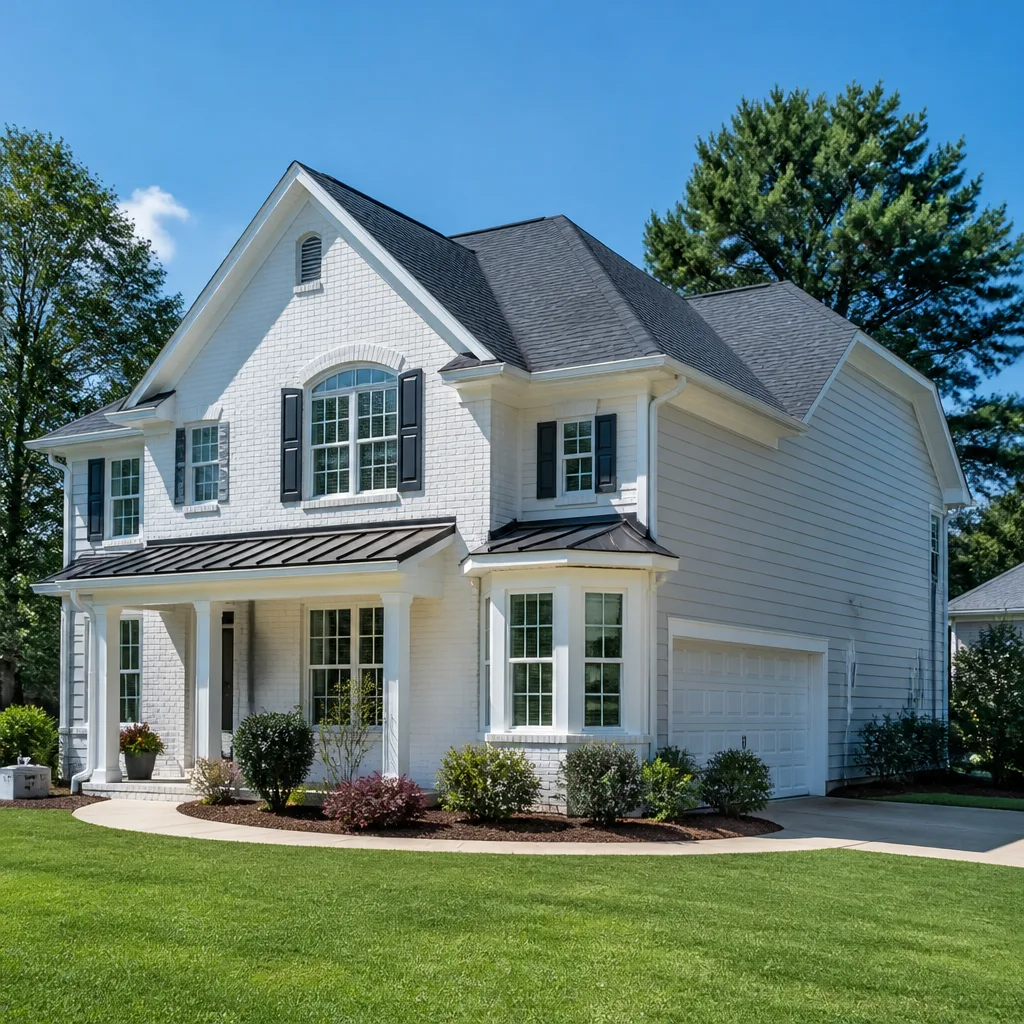 Storm response
 Sewage cleanup
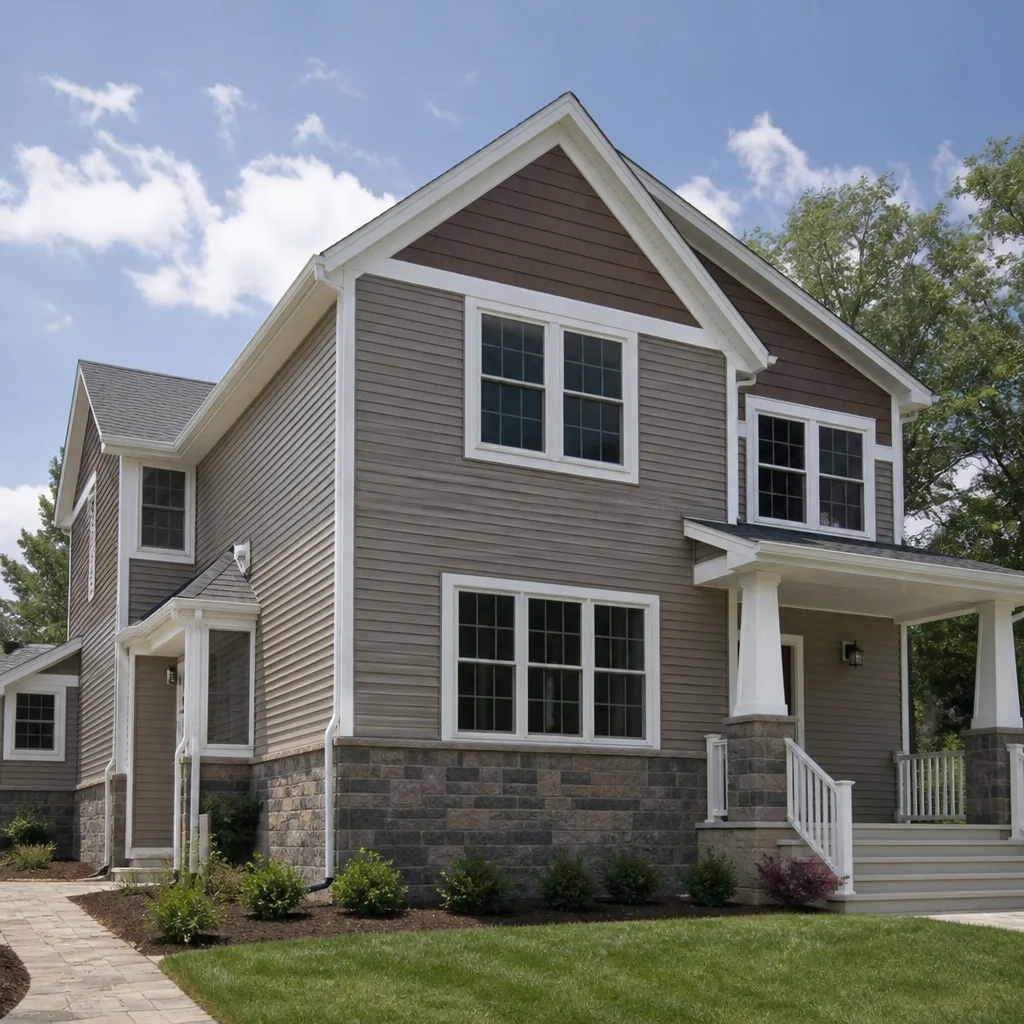 Reconstruction
Free visual inspection and a written scope of work before any mitigation begins - photos, moisture readings, and drying logs go in your claim file
The scope we write is the scope we bill. Anything new gets shown to you, in writing, before we touch it.
Get your free estimateFast, Reliable Mold Remediation Across Apple Valley
Mold remediation in Apple Valley typically costs $1,800 to $6,500 depending on square footage, containment complexity, and how far moisture has wicked into stucco and framing. Most jobs we handle in the 92307 and 92308 zip codes are done within 3 to 7 days of the initial assessment. If you’re seeing staining at the base of exterior walls, a musty smell that won’t leave, or dampness around patio-door thresholds after a monsoon, call (833) 589-5317. We’ll send a certified crew from Fontana up the Cajon Pass to inspect your home and map the moisture before any removal starts.
We know Apple Valley because we’ve worked it through every season. Flat lots, no gutters, stucco over wood frame, and a desert sun that turns wet drywall into a mold colony in under 48 hours. The failure pattern here is different from down the hill, and that changes how we approach every inspection.
Why Dry Line Water Damage Is Apple Valley’s Preferred Mold Remediation Company
Dry Line Water Damage has built its reputation in Apple Valley by treating mold as a moisture problem first and a cleanup job second. Homeowners here have dealt with enough fly-by-night outfits that spray bleach and call it done. That’s not what we do. Our Mold Remediation crews run moisture mapping and thermal imaging before touching a single square foot of affected material, because in stucco-on-slab construction, the visible mold is rarely the full story.
Glen Pacheco leads our operation. He’s built the company around IICRC-certified processes and commercial-grade equipment. That matters in Apple Valley, where 1980s and 1990s homes with slab foundations hide water in wall cavities and under tile until the mold is already established. We document everything with drying logs and photo evidence, which becomes critical when you’re coordinating with an adjuster.
We serve all of Apple Valley, including neighborhoods near Navajo Road, Apple Valley Road, Bear Valley Road, and the areas around Spring Valley Lake. Call us at (833) 589-5317 and we’ll have a crew on the road.
Restoration work we handle
Professional Mold Removal in Apple Valley
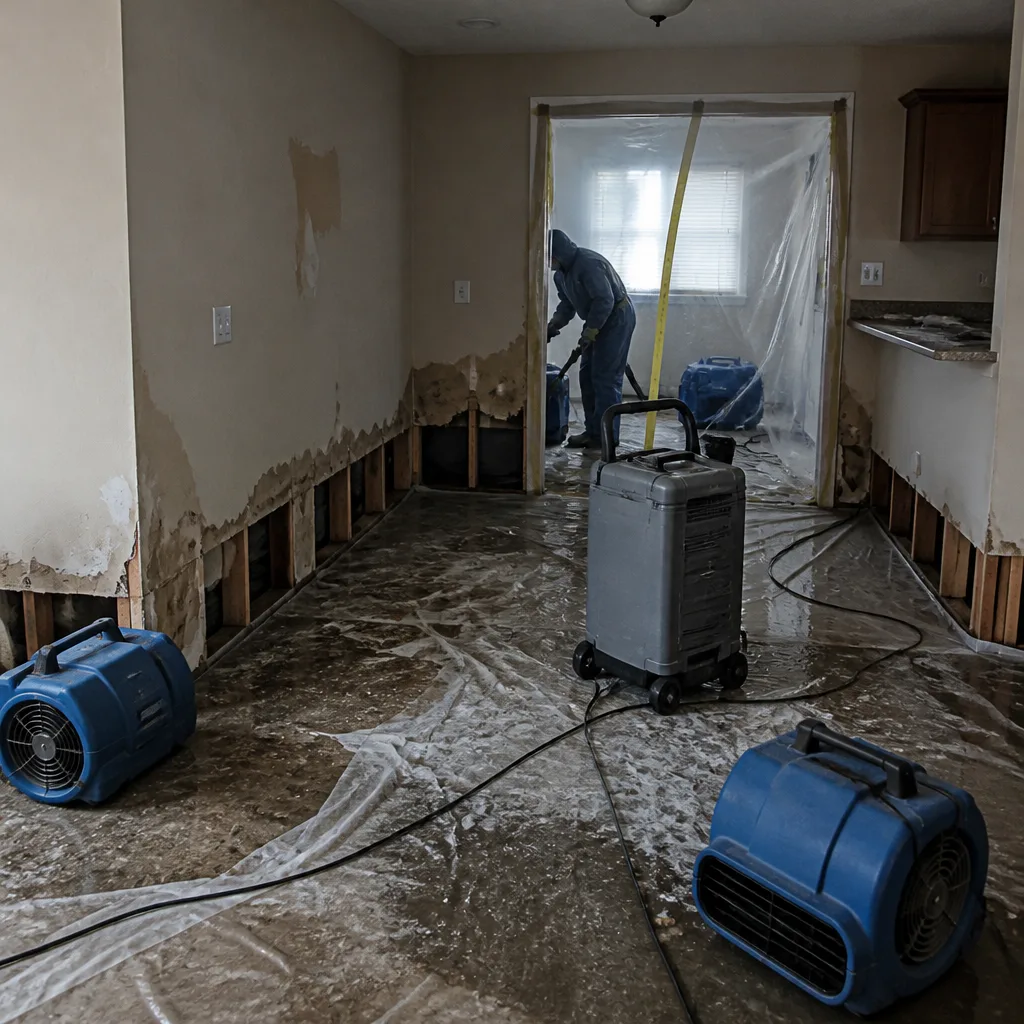
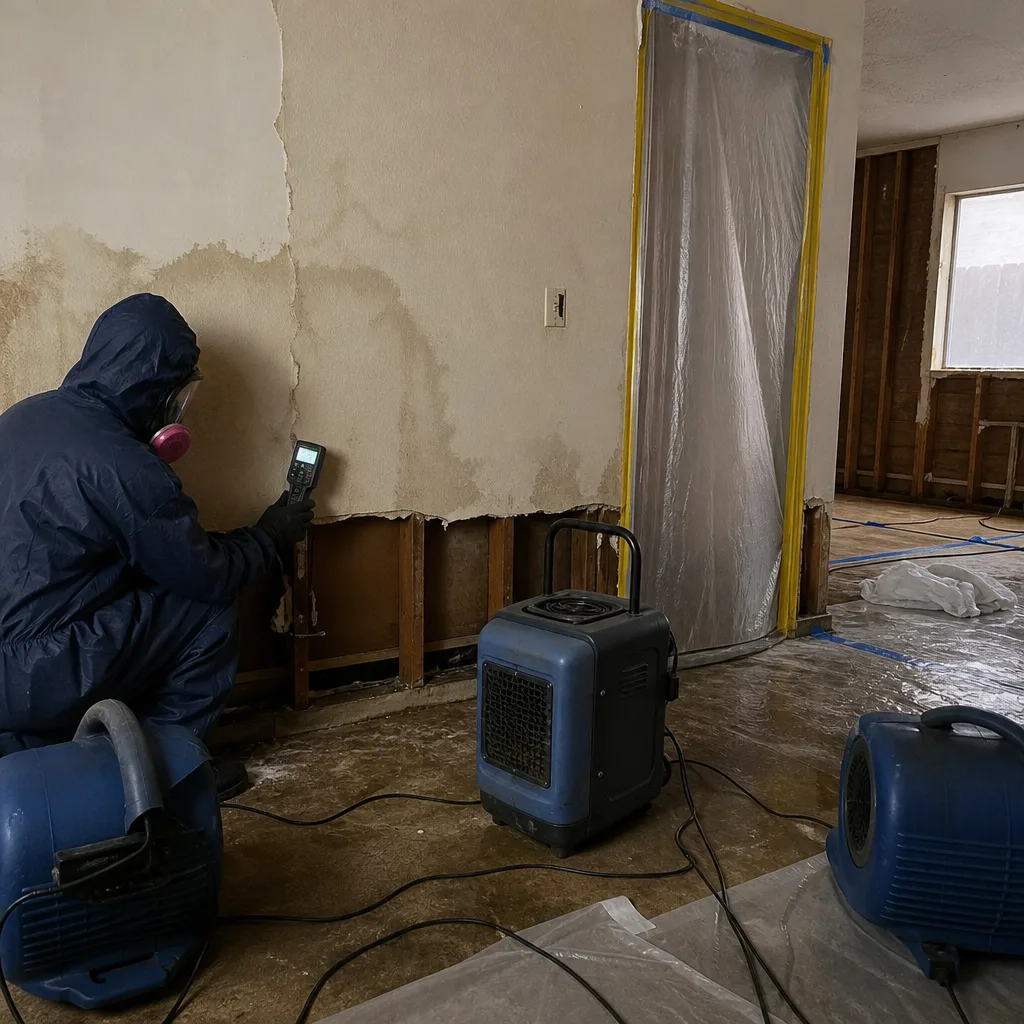
Professional Mold Removal in Apple Valley starts with containment and negative air pressure, not with tearing out drywall. On a typical Apple Valley home, we isolate the affected room with poly sheeting, run an air scrubber, and establish a negative pressure differential so spores don’t migrate to unaffected areas. Then we remove the contaminated material, bag it for disposal, and treat the remaining framing and substrate with an antimicrobial. The removal itself usually takes a day or two; the drying and verification add several more.
Homeowners need this level of removal when mold covers more than roughly 10 square feet, when it’s growing in wall cavities or under flooring, or when someone in the house has respiratory issues. Bleach on a rag won’t reach what’s behind stucco.
Containment and Air Scrubbers
We don’t open up a mold-affected wall without sealing the workspace first. On Apple Valley homes, where HVAC ducting runs through hot attic spaces, spores get pulled into the system and spread room to room quickly. A HEPA-filtered air scrubber runs continuously throughout the job. Negative air pressure keeps whatever we disturb inside the containment zone, not in your kitchen.
Structural Drying After Removal
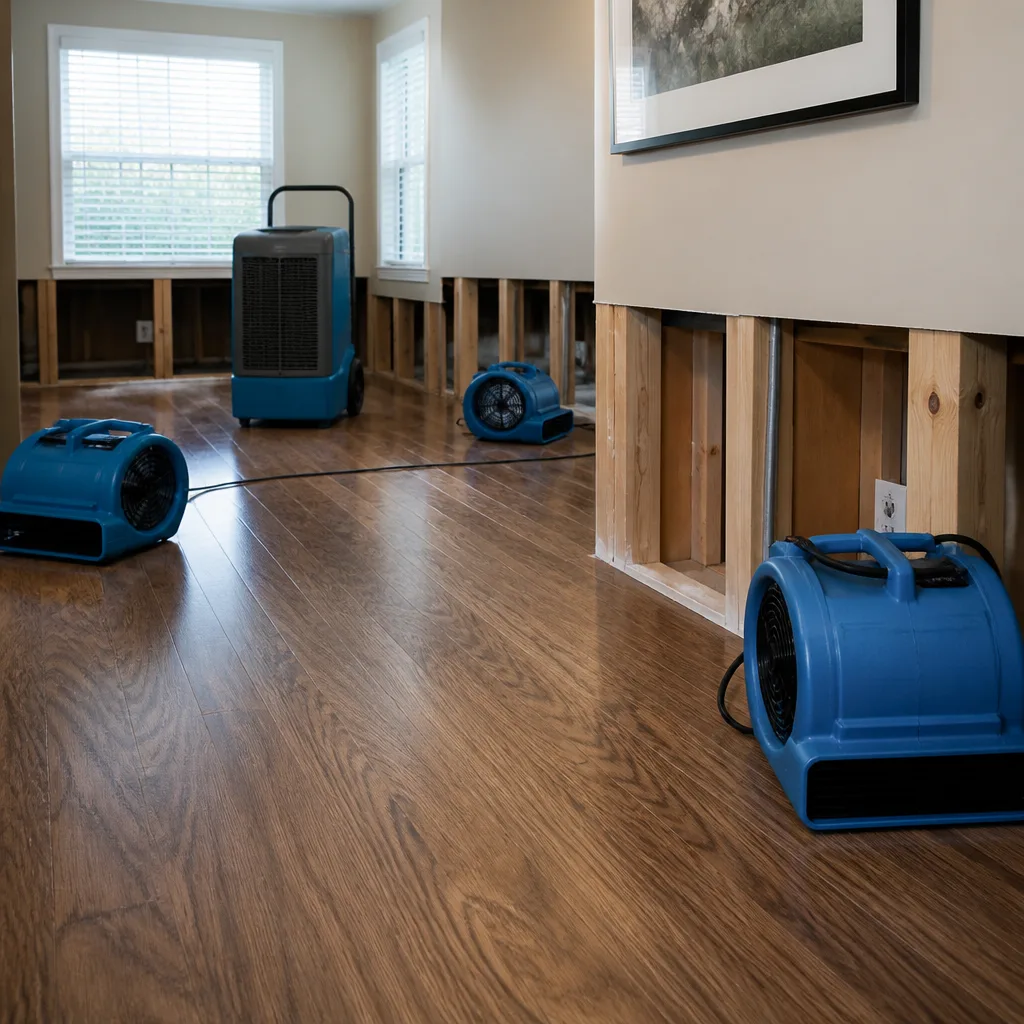
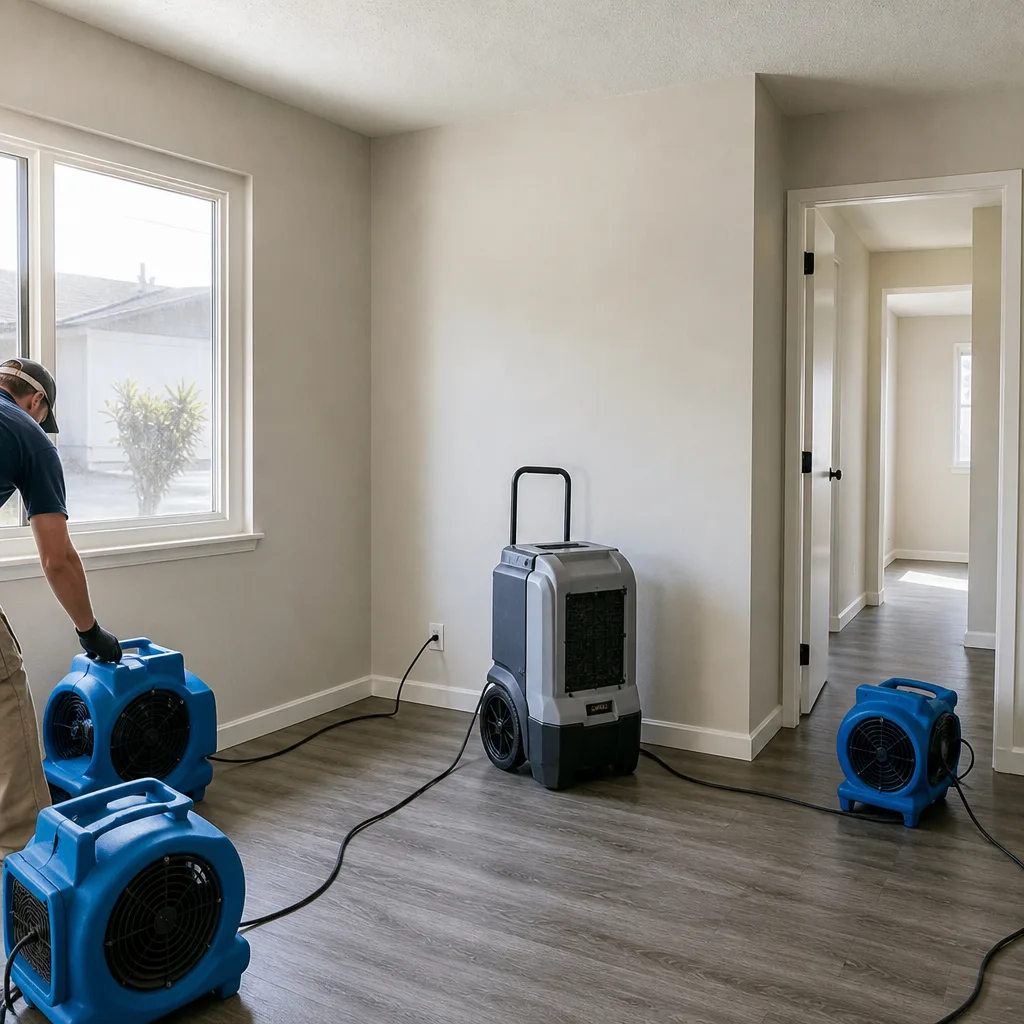
Mold removal is only half the job. If the wall cavity still holds moisture, mold comes back in weeks. We run Dri-Eaz dehumidifiers and air movers inside the containment area after removal, then verify with moisture meters before we close anything up. That’s the documented-dry standard we hold ourselves to on every Apple Valley job.
Mold Inspection in Apple Valley
Mold Inspection in Apple Valley means answering one question before anything else: where is the water coming from? On a flat desert lot with no gutters, monsoon water moves along the slab edge and wicks up into stucco. An inspection that only looks at the ceiling is already wrong. We inspect the full moisture path: exterior grade, stucco base, patio thresholds, bathroom exhaust fans, attic humidity, and slab edges. Then we use thermal imaging and penetrating moisture meters to see what’s happening inside the wall cavity.
You need an inspection when you smell mold but can’t see it, when you’re buying or selling a home in Apple Valley, when a past water event was never properly dried, or when an insurance claim requires independent documentation. A standalone inspection with a written report and photo documentation typically runs $350 to $600 in Apple Valley, depending on the size of the home and whether lab sampling is requested.

Moisture Mapping and Thermal Imaging
Thermal imaging shows temperature differences that indicate trapped moisture. Moisture meters quantify how wet the material actually is. Together they give us a map of the problem, not a guess. On stucco homes, this is especially important because the exterior surface can look perfectly dry while the wood sheathing behind it is saturated. We run these readings before we recommend any scope of work.
Written Scope Before Any Work Starts
You get a written scope of work with the inspection findings. It lists exactly what we’ll remove, what we’ll dry, what we’ll treat, and what it will cost. Nothing starts until you’ve read it and approved it. This is how we handle every Apple Valley job, and it’s the main reason adjusters and property managers keep calling us back.
Trusted Brands We Service in Apple Valley
Our crews run Dri-Eaz, Phoenix, XPOWER, B-Air, and Injectidry equipment. These are the same machines used on commercial and large-loss jobs, not rental-shop gear. For Apple Valley customers, that means faster drying times even in the desert heat, and accurate moisture readings we can hand to your insurance company. We keep our equipment maintained to manufacturer spec and rotate units off the truck when they don’t hold calibration. If your home has a moisture problem tied to flooded slab edges or stucco wicking, we use Injectidry to dry wall and floor cavities without unnecessary demolition. That saves Apple Valley homeowners real money on rebuilds.
See the difference
 Before
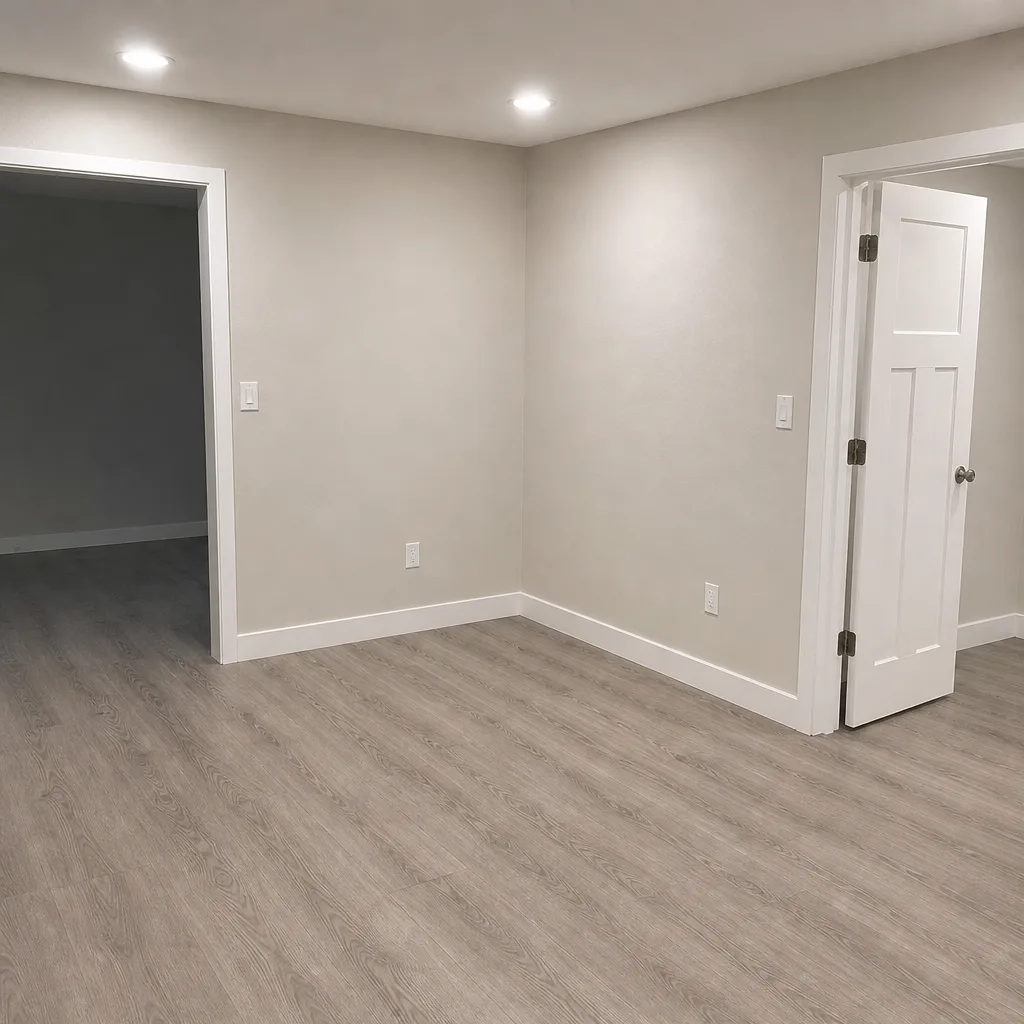 After
 Before
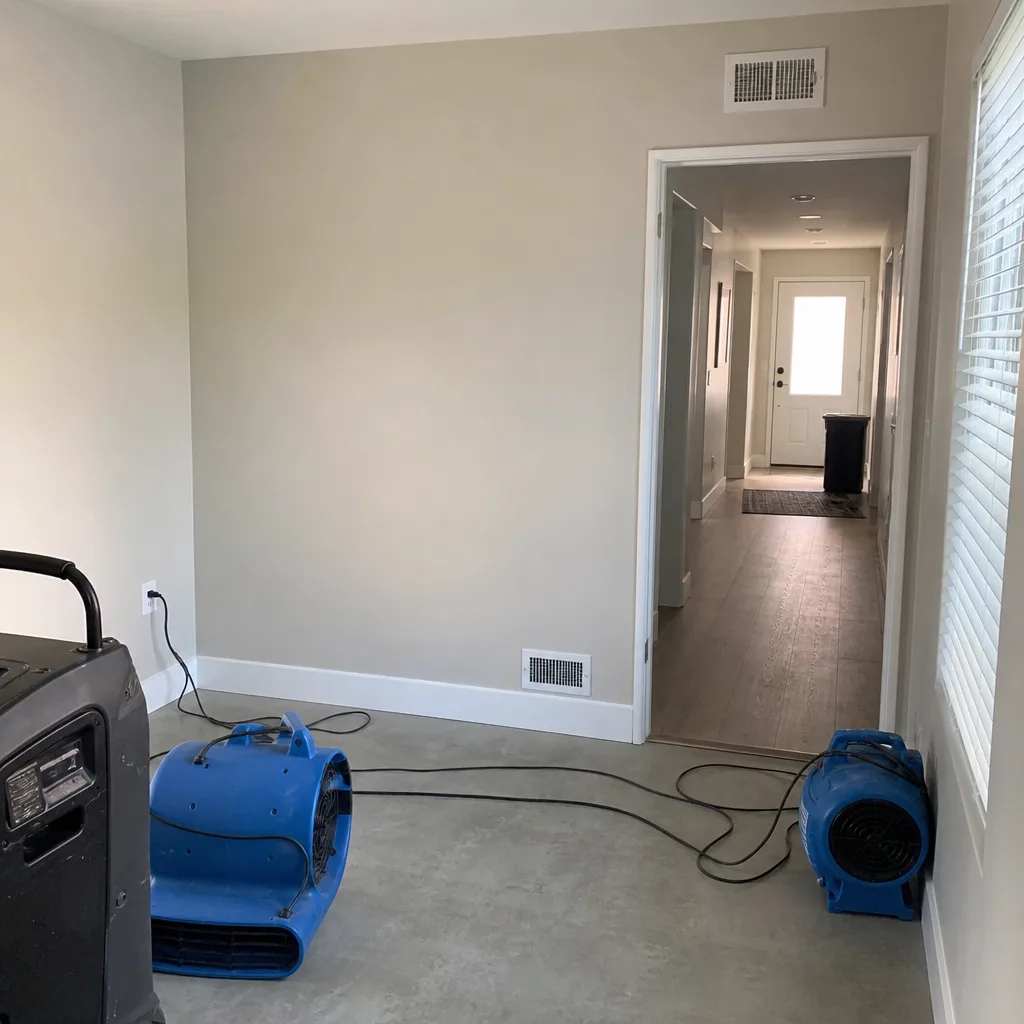 After
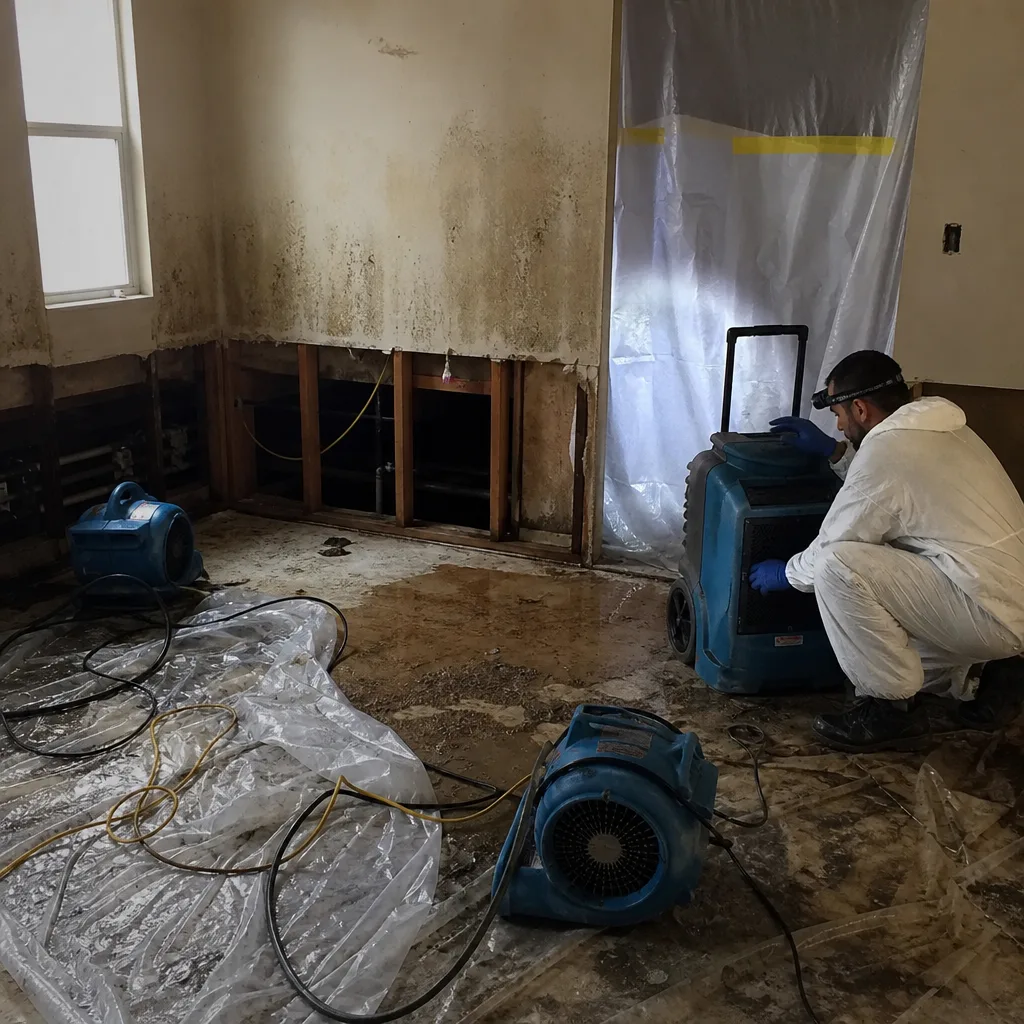 Before
 After
Common Mold Remediation Problems We See in Apple Valley Homes
- Monsoon water wicking up stucco from flat lots. No gutters and no real drainage mean a downpour pools at the slab edge. Water climbs the stucco base and into the wall cavity. Mold follows within days. We see this in neighborhoods across the 92307 and 92308 zip codes, especially on older lots that predate modern grading codes.
- Heat-cooked drywall that should have been removed on day one. At 105°F, wet drywall becomes a mold host in under 48 hours. By the time a homeowner notices the smell, the damage is done. Our advice in summer: if you had water inside a wall, call before the weekend heat wave hits.
- Slab-on-grade moisture that hides under tile and laminate. Apple Valley homes built in the 1980s and 1990s mostly sit on slabs. Water that gets under tile travels sideways. It doesn’t evaporate upward fast enough in arid conditions to matter, and mold grows in the dark underlayment. Thermal imaging catches this when a visual inspection won’t.
- Past water damage that was dried topside but never verified. A contractor sprays antimicrobial, paints, and calls it done. Six months later the mold is back. Without drying logs and moisture readings before closure, nobody actually knows if the wall was dry. We won’t close up a wall on an Apple Valley job until the numbers say it’s dry.
Pricing for Mold Remediation in Apple Valley, CA
A contained small-area mold removal (under 30 square feet) in Apple Valley generally runs $1,800 to $3,200. A full-room remediation with wall cavity work, subfloor drying, and containment typically ranges $3,500 to $6,500. Crawl space treatments and whole-home air quality restoration can go higher. What moves the number is how far the moisture traveled, whether asbestos or lead testing is required on older homes, and how much rebuild is needed after removal. Estimates are free. Call (833) 589-5317 and we’ll come out, map the moisture, and put a written scope in your hand before any work begins.
We Also Serve Cities Near Apple Valley
Dry Line Water Damage also handles mold remediation in Mold Remediation in Apple Valley and the surrounding high desert communities, including Mountain View Acres, Spring Valley Lake, Victorville, and Hesperia. If you’re anywhere in the Victor Valley and dealing with mold after a monsoon or a past water leak, we’ll get a crew to you with the same equipment and the same documented process.
Serving Apple Valley, CA — Our Local Coverage Area
We’re based in the Apple Valley area and know this community well. Use the map below to see our service coverage — if you’re nearby, we can almost certainly help.
FAQs About Mold Remediation in Apple Valley
Mold in Apple Valley commonly starts at the bottom of exterior walls because flat desert lots have no gutters and no storm drainage. Monsoon rain sheets across the lot, pools at the slab edge, and wicks up into the stucco base. The moisture enters the wall low and climbs, so that’s where mold establishes first. Ceiling mold usually means a roof or plumbing leak; base-of-wall mold usually means lot drainage and slab wicking. Call (833) 589-5317 for an inspection that checks the full moisture path, not just the obvious stain.
Mold can establish on wet drywall in Apple Valley within 24 to 48 hours during summer, when daytime temperatures exceed 105°F and the wall cavity turns into an oven. The heat accelerates both drying and microbial growth, but mold wins when the material stays damp inside a closed cavity. If you’ve had water inside a wall in June, July, or August, don’t wait for the smell. Call us at (833) 589-5317 for same-week assessment and containment before the heat does the damage for you.
Yes, we classify the water source during our initial Apple Valley inspection. Category 1 is clean water from a supply line or a broken fixture. Category 2 has some contamination, like washing-machine overflow or sump water. Category 3 is grossly contaminated, like sewage or monsoon flood water that picked up whatever was on the ground. The category dictates the removal protocol and whether flooring and baseboards must be discarded rather than dried. We’ll show you the classification in our written scope.
Yes. Stucco over wood frame with tile or composition roofing conceals moisture for longer than other building types. Water that penetrates the stucco face or wicks from the slab edge sits against the sheathing behind a sound-looking exterior. Tile and laminate flooring trap moisture underneath. By the time mold is visible on the interior wall surface, the cavity behind it is usually worse. That’s why Apple Valley inspections should include thermal imaging and moisture meters, not just a flashlight and a visual walkthrough.
A mold inspection on an Apple Valley home covers the moisture source, the full extent of the affected materials, and the condition of the wall cavities that surround the visible mold. We inspect exterior drainage, slab edges, stucco base, door thresholds, attic humidity, and HVAC ducting. We run thermal imaging and moisture meters, document everything with photos, and deliver a written report with the scope of remediation. If you have insurance involved, we coordinate directly with your adjuster. Call (833) 589-5317 to schedule one.
Written by Glen Pacheco, Owner at Dry Line Water Damage, serving Apple Valley since 2016.