

 Water damage drying
 Fire & smoke cleanup
 Mold remediation
 Storm response
 Sewage cleanup
 Reconstruction
Free visual inspection and a written scope of work before any mitigation begins - photos, moisture readings, and drying logs go in your claim file
The scope we write is the scope we bill. Anything new gets shown to you, in writing, before we touch it.
Get your free estimateTrusted Water Damage Restoration for Fontana Homeowners
Water damage in Fontana doesn’t wait for business hours, and neither does the right response to it. A supply line that lets go at 2 a.m. can put an inch of water across a slab foundation by sunrise, soaking drywall, wicking up door casings, and starting the clock on mold growth that most policies won’t fully cover if it’s deemed preventable. Dry Line Water Damage is an IICRC-certified restoration operation led by Glen Pacheco, equipped with commercial-grade Dri-Eaz and Phoenix drying systems, not rental-shop gear. We respond to water losses across Fontana the same day you call, with a documented moisture assessment and a written scope of work before any equipment gets plugged in. Call (833) 589-5317 when water is where it shouldn’t be.
Water Damage Repair
Water Damage Repair is the structural correction work that follows extraction and drying: replacing water-compromised drywall, resetting swollen baseboards, repairing subfloor delamination, and returning a home to its pre-loss condition. In Fontana, where many homes were built between the 1970s and 1990s, we routinely see particleboard subflooring and non-treated interior wall plates that hold water longer than modern materials, which means repair scope depends heavily on how quickly drying started. Dry Line Water Damage handles repair as an extension of the drying process, not a separate trade handed off to a general contractor. Typical repair work in Fontana runs $900 to $4,200 depending on the square footage affected and how much framing or cabinetry absorbed water.
Material-Specific Repairs
Particleboard, MDF baseboards, and laminate flooring fail differently than plywood and hardwood when saturated. Our technicians identify which materials can be dried in place with Injectidry systems and which need removal, reducing demolition where it isn’t structurally necessary.
Seamless Water-to-Repair Handoff
Because we run the drying equipment and the repair crew under one roof, the person who documented the moisture readings is the same team that rebuilds the wall. That continuity keeps repair scope tied to actual measured drying, not guesswork.
Restoration work we handle
Water Mitigation
Water Mitigation is the immediate, aggressive effort to stop ongoing damage: shutting off the water source, extracting standing water, removing saturated materials that can’t be saved, and starting the drying process fast enough to prevent secondary damage. In Fontana’s dry summer heat, homeowners sometimes assume things will dry on their own, but trapped moisture inside wall cavities and under vinyl plank flooring won’t evaporate through a surface that’s sealed. That’s where mitigation matters. Dry Line Water Damage performs mitigation to IICRC standards with a written drying plan and daily moisture readings. Mitigation-only jobs in Fontana typically cost $1,200 to $3,800, depending on how much water is present and how much material must be removed before drying starts.
Containment and Controlled Drying
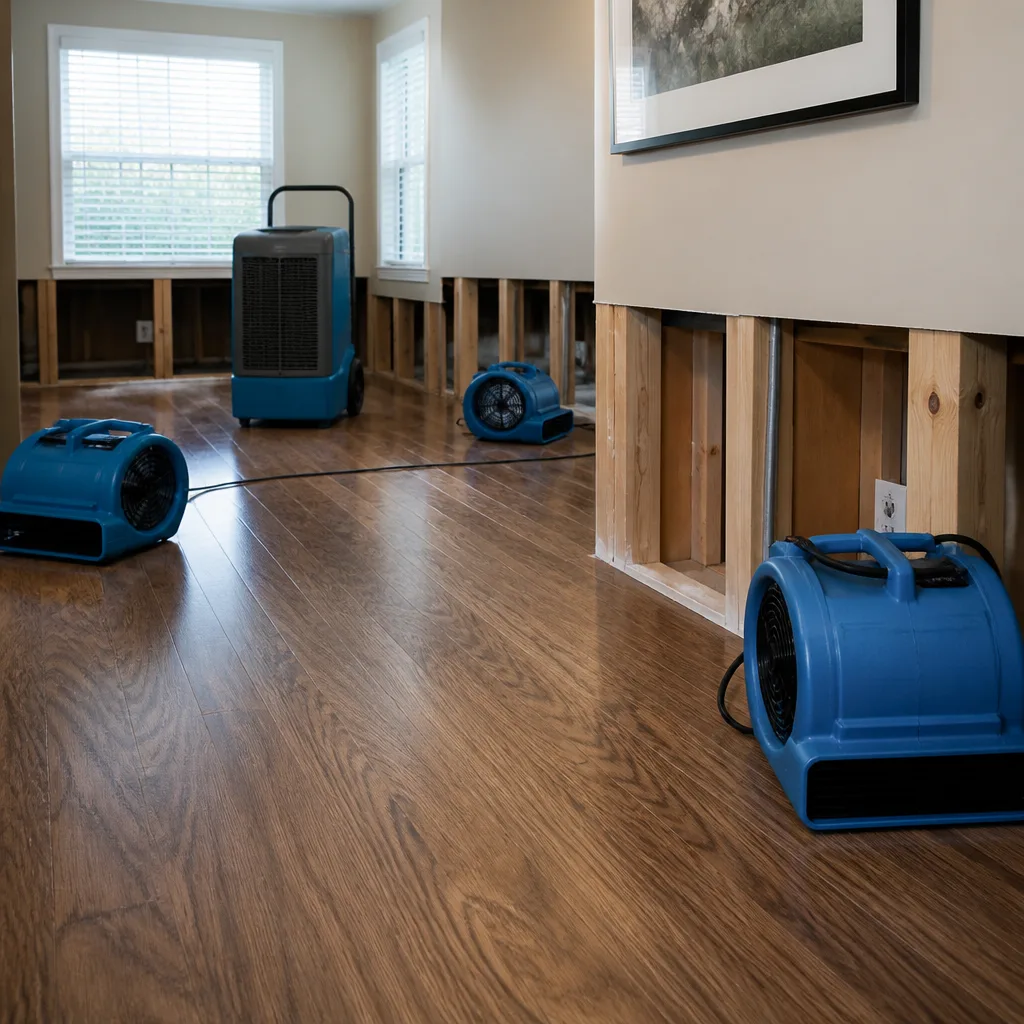
We isolate affected areas with 6-mil poly containment and run Phoenix and Dri-Eaz dehumidifiers sized to the cubic footage of the affected space, not a one-size-fits-all setup. Controlled drying means measured, verifiable progress documented at every visit.
When Demolition Is Actually Necessary
Some materials cannot be saved: saturated insulation, wet carpet padding, and drywall that’s wicked water above 24 inches. Our mitigation techs remove only what must go, with photo documentation of every cut so you and your adjuster see exactly what happened and why.
Flooded Basement
Flooded Basement situations in Fontana are less common than in other parts of the country, but when they occur, usually from a failed water heater, a backed-up floor drain, or a cracked foundation wall, the damage is concentrated and fast-moving. A basement that takes on six inches of water will saturate the bottom plate of every framed wall, which becomes a mold risk and a structural concern if not dried properly. Dry Line Water Damage treats basement floods as full-scope losses: extraction, drying, sanitizing, and repair, with attention to the unique airflow challenges of below-grade spaces. Cost for a typical Fontana basement flood response runs $1,800 to $5,500 depending on water depth, finishes, and whether masonry or framing has absorbed moisture.
Below-Grade Drying Challenges
Basements don’t dry like upstairs rooms. Cool concrete, minimal air exchange, and high relative humidity mean passive drying almost never reaches the standard an adjuster will accept. We use low-grain refrigerant dehumidifiers and axial air movers positioned for cross-flow, with daily readings from wood moisture meters.
Foundation Wall Assessments
When a basement floods, we check the source: a supply line, a drain backup, or water moving through the foundation itself. If it’s a foundation issue, we document it and coordinate with you on the next step, so the restoration scope addresses both the water and the reason it got in.
Water Extraction
Water Extraction is the physical removal of standing water using truck-mounted or portable extraction units, and it’s the single most important step in limiting final repair costs. A gallon of water weighs 8.34 pounds; a 12-by-14-foot room with one inch of water holds over 100 gallons, and every minute that water sits, it’s wicking into drywall, under baseboards, and through flooring seams. In Fontana’s slab-on-grade construction, water that isn’t extracted immediately will find its way into wall cavities within hours. Dry Line Water Damage runs commercial extraction units capable of removing hundreds of gallons per hour. Standalone extraction, when it’s all that’s needed, typically runs $500 to $1,200 in Fontana, though most jobs include extraction as part of a full mitigation scope.
Extraction Before Anything Else
We don’t set drying equipment until the water is out. Running fans and dehumidifiers over standing water is inefficient and slows the entire drying curve. Extraction comes first, every time, with attention to low spots, carpet seams, and under-cabinet areas where water hides.
Hardwood and Tile Considerations
Hardwood floors cup and tile grout lines channel water differently than carpet. Our extraction techs make decisions about each floor type on site, using flood extraction mats where hardwood has a chance to be saved and targeted wet extraction for grout and subfloor cavities.
Emergency Water Removal
Emergency Water Removal is the rapid-response version of extraction: same-day or after-hours service when a supply line bursts, a water heater fails, or an appliance floods a Fontana kitchen while you’re at work. The difference between emergency removal and standard extraction is response time, and response time is the single biggest variable in how much of your home gets saved. Dry Line Water Damage answers calls at (833) 589-5317 around the clock for water emergencies, and our Fontana-area crews begin extraction as soon as we arrive, which in most cases is within hours. Emergency removal jobs in Fontana typically range from $800 to $2,500, with the final number driven by water volume, time elapsed, and materials affected.
What to Do Before We Arrive
If you can do so safely, shut off the water at the source or the main shutoff. Move small items and electronics out of the water’s path. Don’t use a wet-dry vacuum on anything that’s been in contact with sewage or gray water; let our techs assess that first. We handle the rest from the moment we pull up.
The First Hour Matters Most
Every hour of standing water adds to the restoration bill, because more material reaches saturation and must be dried or replaced. Fast extraction plus immediate equipment placement is the reason emergency response exists as a separate, prioritized service.
Flood Damage Restoration
Flood Damage Restoration is the complete process of returning a Fontana property to pre-loss condition after a flood event, whether from a storm, a plumbing failure, or an appliance malfunction. It combines extraction, drying, sanitizing, and repairs into one documented scope. The difference between flood restoration and spot water repair is scale: floods affect multiple rooms, reach into wall cavities and HVAC systems, and often bring contaminants that require antimicrobial treatment. Dry Line Water Damage handles flood restoration as a single accountable project with daily documentation, moisture mapping, and a final written dry standard. Full flood restoration in Fontana generally runs $3,500 to $12,000 or more, driven by square footage, contamination level, and the amount of reconstruction required.
Category of Water and Its Impact
Flood water falls into IICRC categories: clean, gray, or black. Each category dictates different containment, personal protective equipment, and disposal protocols. We classify the water on arrival and document the category for your insurance file, because adjusters base coverage decisions partly on this classification.
Antimicrobial Application and Odor Control
Flood water brings bacteria, and odor is often the first sign that microbial activity has started. We apply EPA-registered antimicrobials to affected structural materials after drying, and we use hydroxyl generators where odors have penetrated beyond surface materials.
Water Damage Cleanup
Water Damage Cleanup is the removal of water-damaged materials, debris, and contaminated contents from the affected area, making the space safe and ready for drying or reconstruction. It’s the aspect of the job homeowners often underestimate: saturated carpet padding, ruined cabinetry bases, waterlogged insulation, and contents that can’t be salvaged all must come out before drying equipment can work effectively. In Fontana, where many garages and laundry areas share walls with living spaces, cleanup often extends into adjoining rooms. Dry Line Water Damage performs cleanup with the same documentation standard we use on every other phase, photographing all removed materials and logging content losses. Cleanup as part of a restoration scope typically adds $600 to $2,000 depending on debris volume and disposal requirements.
Content Triage and Salvage
Not everything that gets wet is a loss. We assess furniture, rugs, and personal items for salvageability, move what can be saved to a dry staging area, and photograph everything that can’t. That photo record becomes part of your insurance claim.
Disposal and Sanitizing
Removed materials are bagged and disposed of according to the water category. We sanitize affected surfaces after removal and before drying equipment placement, preventing cross-contamination and reducing the chance of odor recurrence.
Emergency Water Damage Restoration
Emergency Water Damage Restoration means the entire mitigation and drying process starts now, not after a scheduled appointment later in the week. When a Fontana homeowner calls us at 9 p.m. with a burst pipe, the emergency designation means extraction starts tonight, equipment gets set tonight, and the drying curve starts running immediately instead of waiting for Monday morning. That speed changes outcomes: faster drying means less demolition, fewer days of equipment in your home, and a smaller final repair scope. Dry Line Water Damage maintains emergency response capacity for Fontana and surrounding communities, with crews on call for after-hours water losses. Emergency restoration projects in Fontana typically start around $1,500 and scale from there based on loss size and duration.
After-Hours Dispatch
Our emergency line is live 24/7 at (833) 589-5317. When you call, you talk to a person who can dispatch a crew, not an answering service that takes a message. We ask three questions: what happened, how long ago, and whether water is still flowing. Then we go.
Documentation from Hour One
In an emergency, insurance documentation matters just as much as water removal. We photograph the loss site on arrival, record initial moisture readings, and maintain a running log from extraction through final dry-down. Your adjuster gets a complete file, not a summary.
See the difference
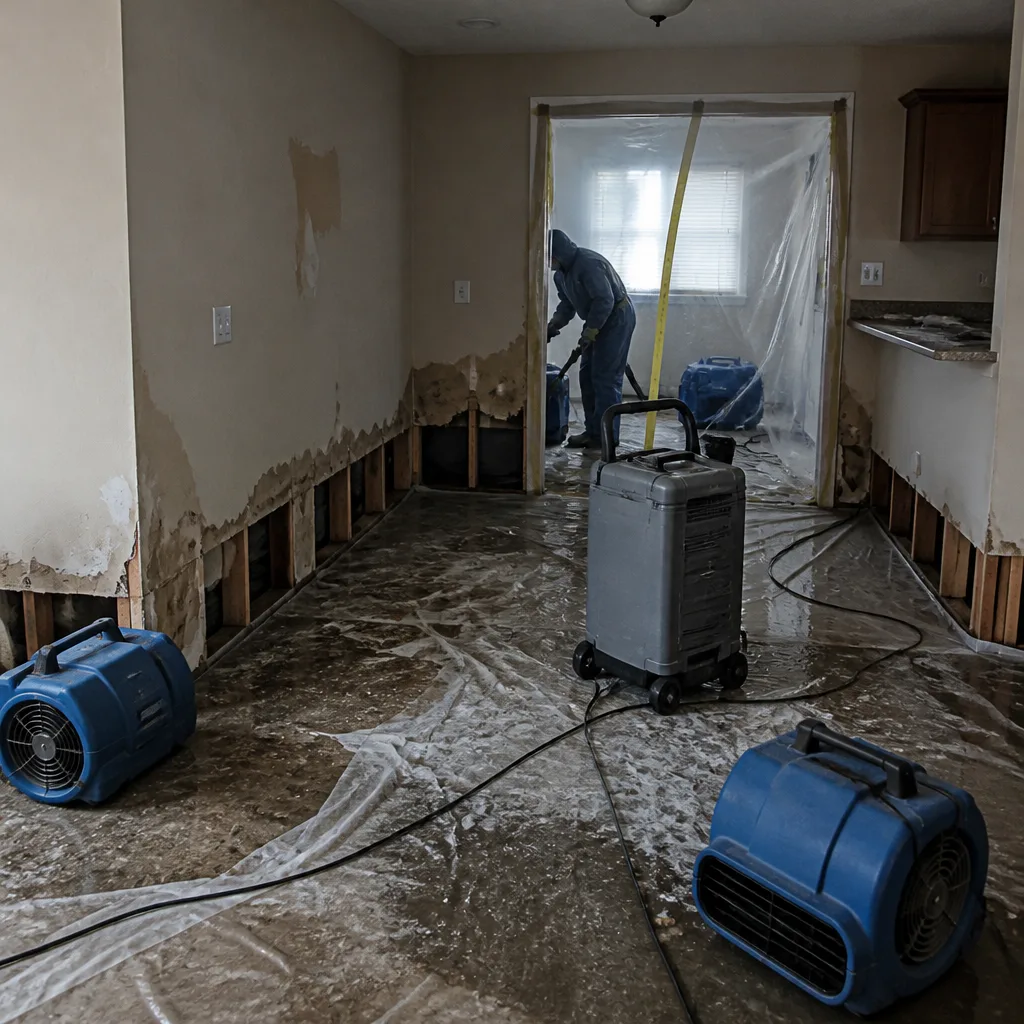 Before
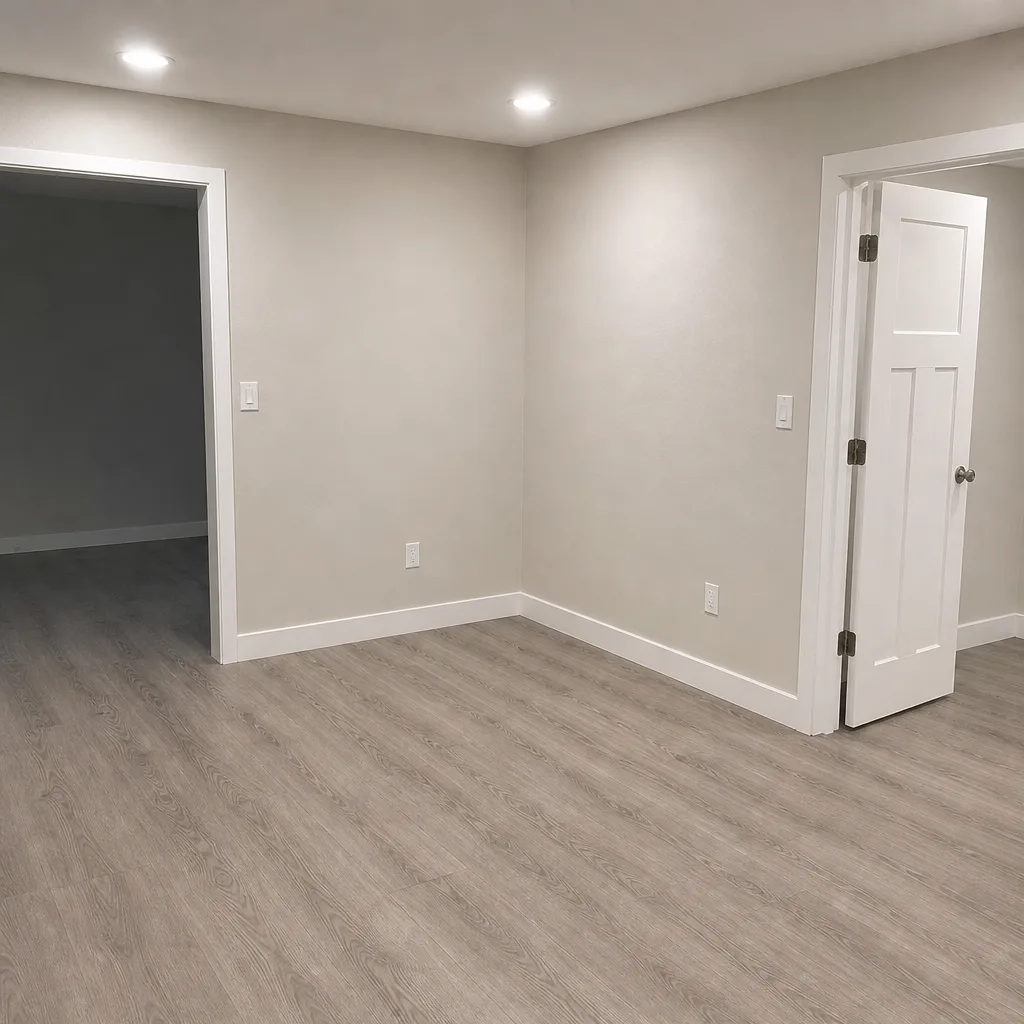 After
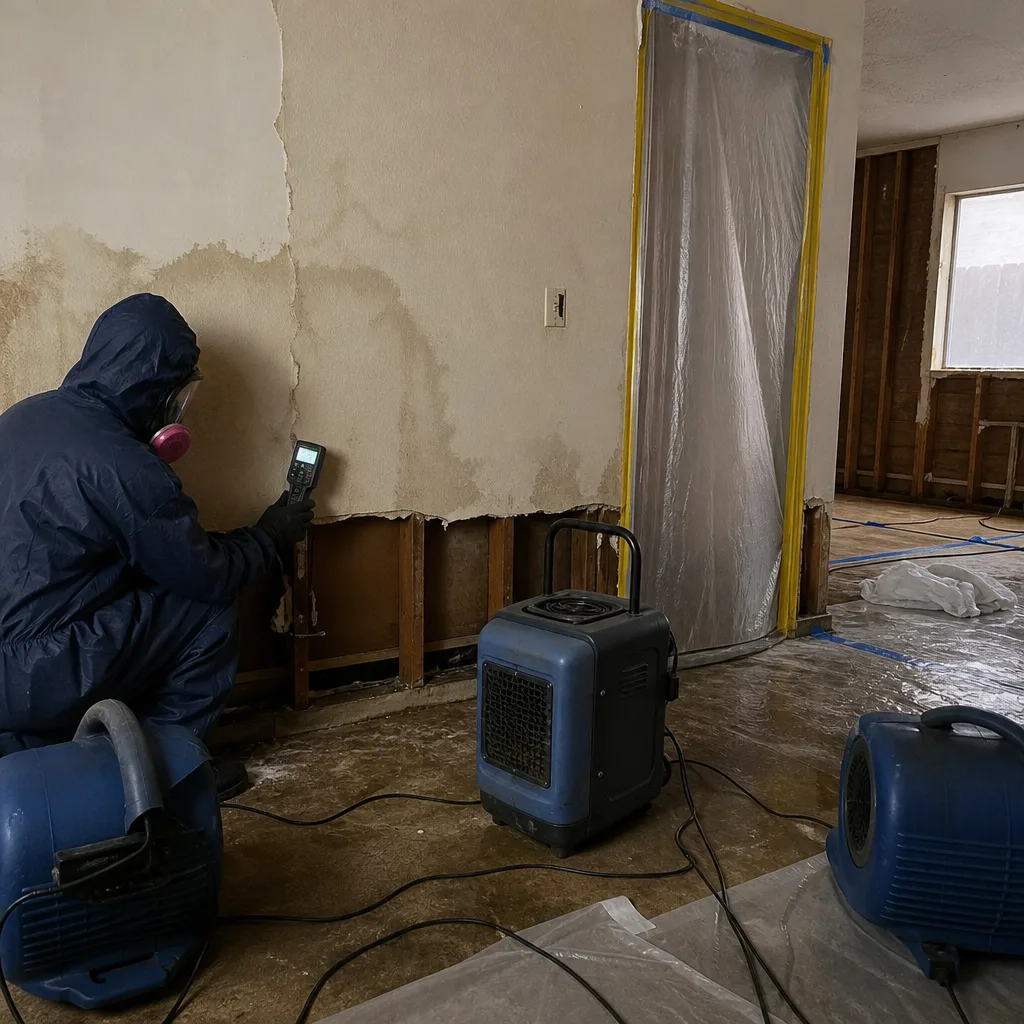 Before
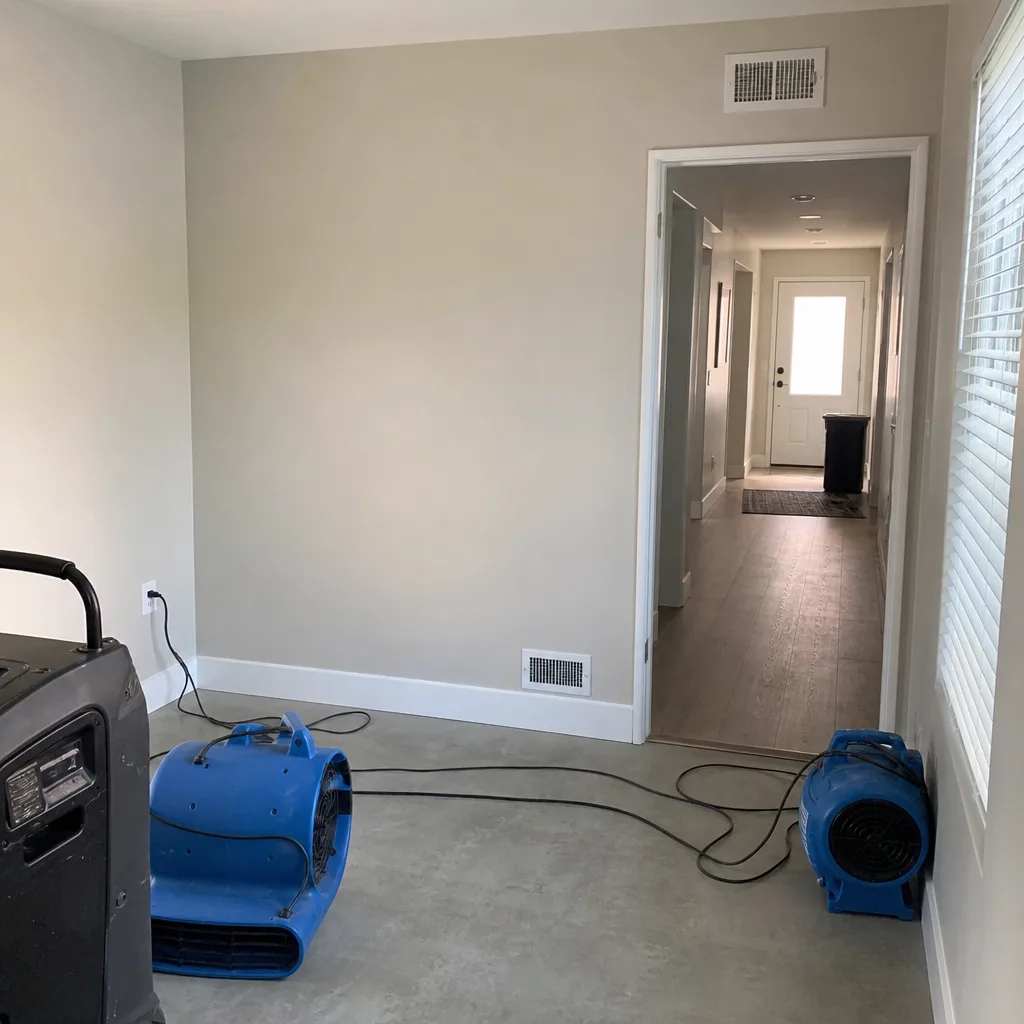 After
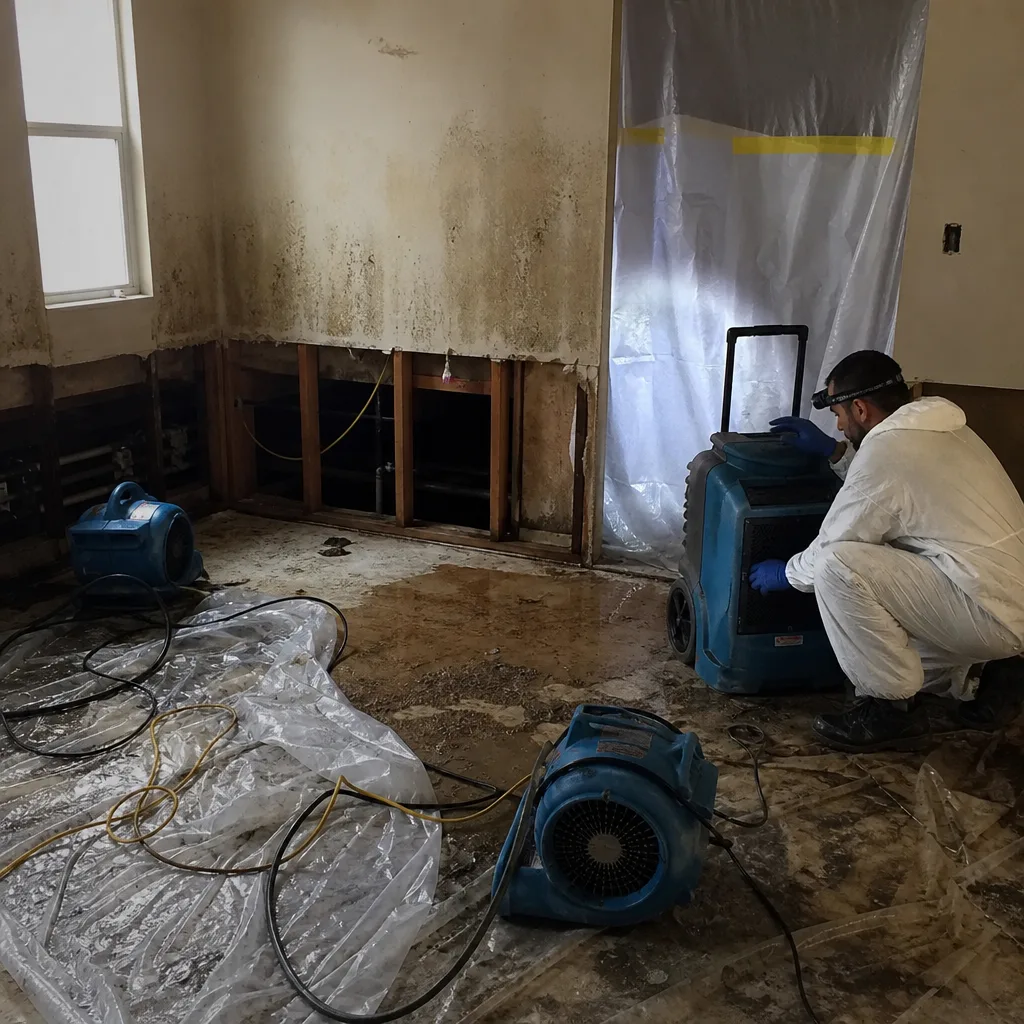 Before
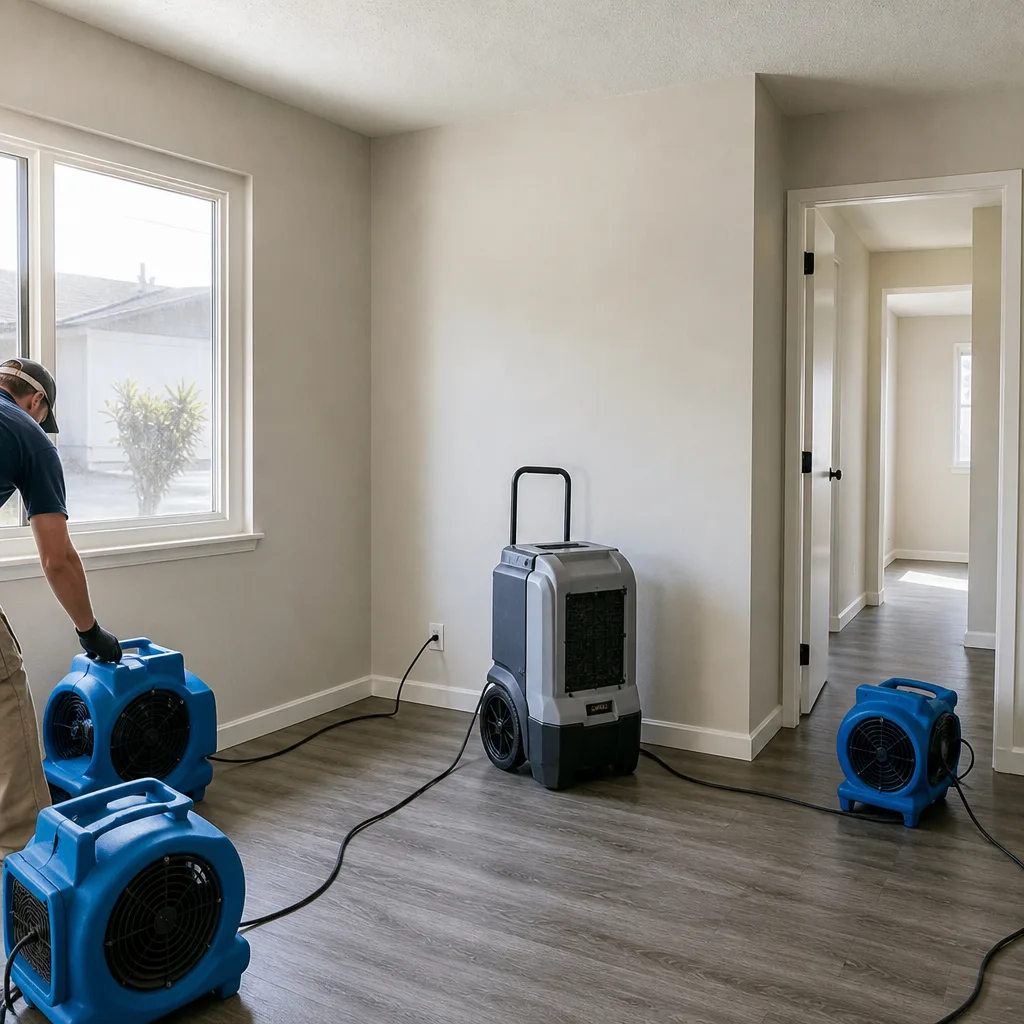 After
Brands We Service
Dry Line Water Damage maintains and operates a fleet of Dri-Eaz dehumidifiers and Phoenix air movers, the same brands used on commercial and large-loss restoration projects nationwide. We’ve run these machines across hundreds of water losses, and our technicians understand how each unit performs in different temperature and humidity conditions, which is why our drying plans specify exact equipment counts and placement patterns rather than a generic “set a few fans” approach. For structural drying inside wall cavities and under hardwood, we use Injectidry systems that create negative air pressure to pull moisture from materials that would otherwise require removal. That technology is the reason we can often save hardwood floors and finished walls that a less-equipped operation would cut out, which directly reduces your repair budget.
Whether your loss involves existing equipment that needs evaluation or a full-scale drying plan with our fleet, we can help. We service what we run, and we run it hard enough to know how it should perform on your job.
Signs You Need a Pro Right Now
- Water is still flowing or the source isn’t clear. A shutoff valve you can’t locate, a slab leak you suspect but can’t see, or a supply line that won’t stop means the situation is getting worse by the minute. We locate and stop the source before extraction starts, because drying around an active leak is wasted effort.
- Water is spreading into walls or under flooring. Standing water in the middle of a room is manageable. Water that has wicked up drywall, under vinyl plank, or through a ceiling into the room below has already entered spaces that won’t dry on their own. That trapped moisture is where mold starts, usually within 48 to 72 hours in Fontana’s warm climate.
- You smell something musty or earthy. That odor is microbial activity, not just a minor annoyance. It means moisture has been present long enough for organisms to colonize, and the area needs professional drying and antimicrobial treatment, not just a pass with a household dehumidifier.
- Baseboards are swelling, paint is bubbling, or flooring is cupping. These are visible signs that materials have reached saturation. By the time you see them, the damage below the surface is typically worse than the visible symptom suggests. Delaying response increases the amount of material that must be removed and replaced.
- You’re already working with an insurance adjuster who needs documentation. If a claim is open, every hour of delay complicates the file. Adjusters expect mitigation to start promptly, and claims documentation is harder to assemble retroactively. A restoration partner who documents from arrival protects your position.
Our Process, Step by Step
- 1
Initial assessment and water source identification. We inspect the affected area, classify the water category, and identify the source if it isn’t already stopped. We use thermal imaging cameras to find moisture that’s hidden in wall cavities and under flooring, and we record baseline moisture readings with penetrating and non-penetrating meters.
- 2
Extraction and bulk water removal. Commercial extraction units pull standing water from all affected areas. We remove saturated materials that can’t be salvaged, including carpet padding, wet insulation, and drywall that has wicked beyond safe limits. Everything is photographed for your file.
- 3
Containment and equipment setup. We seal affected areas with poly containment and set up Dri-Eaz, Phoenix, or XPOWER equipment sized to the cubic footage and the moisture load. For structural cavities, we install Injectidry systems that pull moisture from inside walls, floors, and ceilings without cutting them open.
- 4
Drying and daily monitoring. Our techs return daily or every other day to record moisture readings, adjust equipment placement, and track the drying curve against IICRC standards. We don’t call a job dry until the numbers show it’s dry, not when it looks dry. You get a written final report with all readings and a documented dry standard.
- 5
Final verification and repair coordination. Once readings meet the drying standard, we remove equipment, complete any required sanitizing, and provide your repair estimate. If mold was a risk factor, we can transition directly into remediation, and if fire damage is part of a larger loss, we handle that too. One crew, full scope.
How Much Does Water Damage Restoration Cost in Fontana?
Our Service Area Near Fontana
Dry Line Water Damage serves Fontana and the surrounding communities, including Water Damage Restoration in Bloomington and Water Damage Restoration in Rialto, along with Sunnyslope, Glen Avon, Muscoy, Rubidoux, Colton, Highgrove, Grand Terrace, Jurupa Valley, and San Bernardino. Typical response times for the greater Fontana area run within a few hours for emergency calls, with standard scheduling available for non-emergency assessments throughout the week. If you’re unsure whether we cover your neighborhood, call (833) 589-5317 and ask; if we don’t, we’ll tell you who to call in the area.
Serving Fontana, CA — Our Local Coverage Area
We’re based in the Fontana area and know this community well, offering our Water Damage Restoration in Fontana. Use the map below to see our service coverage — if you’re nearby, we can almost certainly help.

Frequently Asked Questions About Water Damage Restoration in Fontana
What is water damage restoration?
Water damage restoration is the process of extracting standing water, drying affected materials to a documented standard, and repairing or replacing what can’t be saved. It includes source identification, moisture mapping, equipment placement, daily monitoring, and final verification. In Fontana, it’s typically coordinated with an insurance claim, which is why documentation matters as much as drying.
How long does water damage restoration take?
Most residential water losses in Fontana dry within 3 to 5 days with the right equipment and monitoring. Repair work after drying adds time depending on scope, typically 2 to 10 days for materials like drywall, baseboard, and flooring replacement. We give you a written drying plan with expected timelines during the initial assessment.
How much does water damage restoration cost in Fontana?
Most Fontana water losses run $1,800 to $5,500 for extraction, drying, and basic repair, with smaller jobs starting around $500 and full flood restoration reaching $12,000 or more. The final number depends on water volume, time elapsed, materials affected, and water category. Our estimates are free and written in line-item detail.
Do you work with insurance companies?
We document everything from arrival to final dry-down: photos, moisture readings, water classification, and removed-materials logs. We coordinate directly with your adjuster, provide the documentation they need, and speak the industry language that keeps claims moving. You stay informed at every step, and we handle the paperwork your policy requires.
Are you available for emergencies?
Yes. Our emergency line at (833) 589-5317 is live around the clock, and we dispatch crews to Fontana water losses after hours, on weekends, and during holidays. The goal is extraction started the same day you call, because every hour of standing water increases the damage and the cost.
Do you offer a warranty on your work?
We stand behind our drying work with a documented final report and a dry standard backed by written moisture readings. Repair work is covered by our workmanship policy, and we’ll walk you through what’s covered before any work begins. Specific warranty terms are provided in writing with your scope of work.
How do I prepare for water damage restoration?
Shut off the water source if you can do so safely. Move small items, electronics, and valuables out of the affected area. Don’t use household vacuums on water, don’t run HVAC systems through wet zones, and don’t try to pull up carpet yourself. We handle the rest from arrival, including content triage and salvage assessment.
Schedule Your Water Damage Restoration Service in Fontana Today
If water is where it shouldn’t be in your Fontana home, call (833) 589-5317 now. We answer 24/7, dispatch same-day for emergencies, and provide a free on-site assessment with a written estimate before any work begins. Glen Pacheco and the Dry Line Water Damage team are ready to start extraction the day you call.
Written by Glen Pacheco, Owner at Dry Line Water Damage, serving Fontana and surrounding communities.