


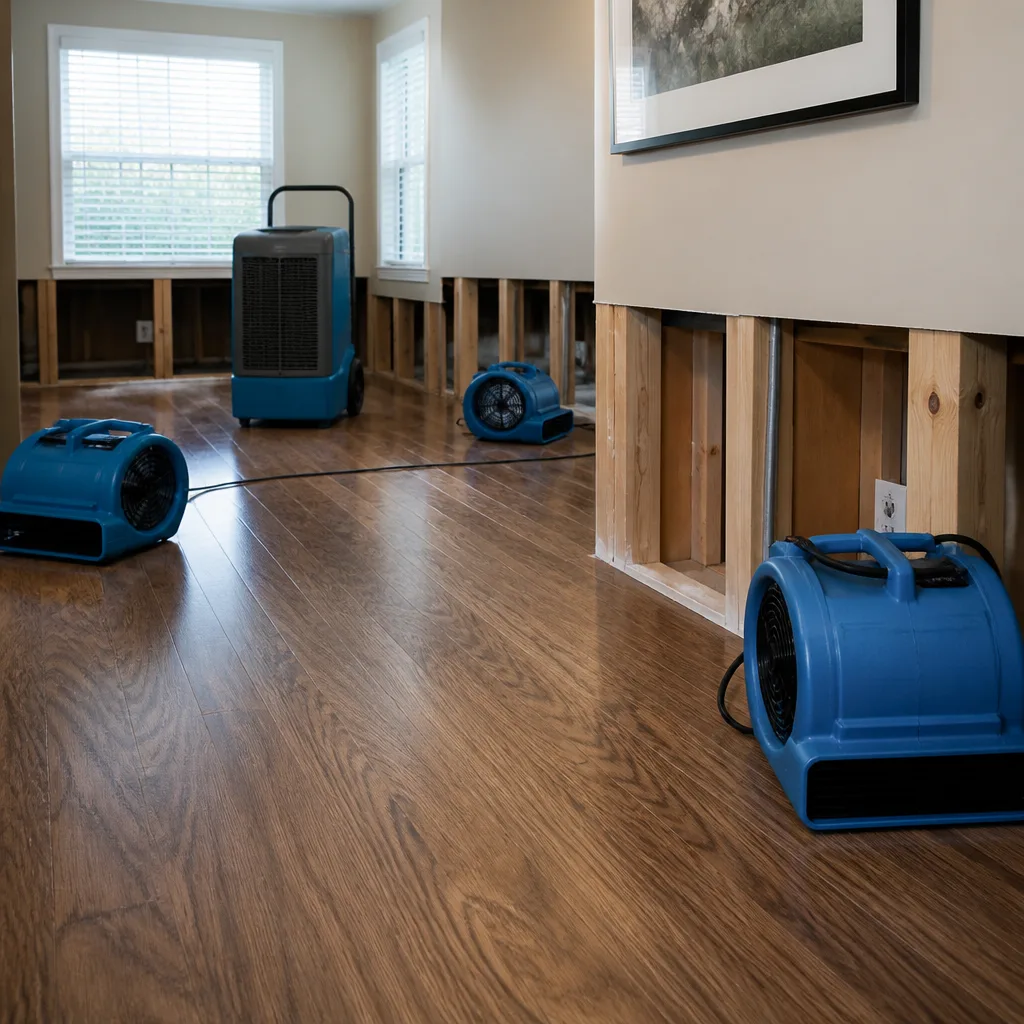
 Water damage drying
 Fire & smoke cleanup
 Mold remediation
 Storm response
 Sewage cleanup
 Reconstruction
Free visual inspection and a written scope of work before any mitigation begins - photos, moisture readings, and drying logs go in your claim file
The scope we write is the scope we bill. Anything new gets shown to you, in writing, before we touch it.
Get your free estimateFast, Reliable Mold Remediation Across Brea
Mold remediation in Brea typically costs between $1,800 and $6,500 depending on containment needs, affected square footage, and whether wall cavities or attic insulation are involved. Most Brea jobs we handle are completed in three to five working days from the initial assessment, and we can usually have a certified tech on-site within hours of your call to (833) 589-5317. If you’re in 92821, 92822, or 92823 and have visible growth or a musty smell you can’t locate, we’ll map the moisture first, not just wipe the surface.
Brea isn’t a flat tract-home city. The foothills change how mold behaves here. Hot Santa Ana winds push ash and fine particulate into attic vents and wall cavities during fire season, and then winter atmospheric-river storms send sheet runoff down from Carbon Canyon and the northern ridges into valley-floor streets and garages. We’ve worked both sides of that equation enough times to know that a Brea mold problem is rarely just a bathroom fan issue. Call us when you see it or smell it; we’ll tell you exactly what you’re dealing with.
Why Dry Line Water Damage Is Brea’s Preferred Mold Remediation Company
We hold IICRC certification, which is the restoration industry’s most rigorous third-party standard for training and process. That’s not a self-issued badge; it means our technicians have passed written exams and field testing on microbial remediation protocols that Brea homeowners can actually verify. Glen Pacheco, our owner, built this operation around one principle: document everything to a measurable standard, and never claim a structure is clean until the moisture data says so.
Brea customers see the difference in how we set up containment. We run Injectidry structural-drying panels on plaster walls and cavities in hillside custom homes off Carbon Canyon Road, and we pair them with Dri-Eaz and Phoenix commercial dehumidifiers sized to the actual cubic footage of the affected space, not a rental-grade machine from a big-box store. For larger lots in 92823 where a detached workshop or oversized garage shares air with the main structure, we include that square footage in the drying plan. A dehumidifier that’s undersized for the total volume just leaves moisture moving around.
Our written scope comes before work starts. No surprise line items after the drywall is open. That’s the kind of process Brea’s property managers and adjusters expect, and it’s what we’ve built our local reputation on.
Restoration work we handle
Black Mold Removal in Brea
Black Mold Removal in Brea often starts with what homeowners assume is a surface stain but turns out to be growth feeding inside a wall cavity. This work involves more than scrubbing visible spots; it requires containment, negative air pressure, removal of colonized drywall or insulation, and an antimicrobial treatment on framing before the cavity is closed. In Brea we routinely encounter black mold in two specific contexts: older ranch-era homes from the 1950s and 60s with original drywall and cast-iron plumbing, and hillside custom homes where runoff or roof leaks channel moisture behind the wall face. Expect to pay between $2,200 and $6,500 for black mold work in Brea depending on how far the growth has spread into the structure and whether attic insulation has to come out. When you call (833) 589-5317, we’ll talk through containment requirements and timing before we ever book equipment.
Signs It’s Not Just a Stain in Brea
A musty smell that gets stronger when your air conditioning or heat kicks on in a Brea home usually means growth is happening somewhere you can’t see. In 92823 foothill homes, we pay close attention to attic vents and the underside of sheathing, because Santa Ana ash and moisture create a food source that mold colonizes within 48 to 72 hours. If the discoloration returns after you’ve cleaned it twice, the moisture source is still active. That’s when we pull out the moisture meters and go cavity by cavity.
Containment and Removal In 92823
For black mold in Brea’s hillside custom homes, full plastic containment and HEPA-filtered negative air are standard, not optional. We seal off the affected floor or room, run air scrubbers during removal, and dispose of contaminated materials as regulated waste. The framing gets treated with an EPA-registered antimicrobial and dried to documented levels before rebuild starts. No shortcuts on that step; the certification you’re paying for is in that sequence.
Mold Removal Contractor in Brea
Mold Removal Contractor work in Brea spans everything from a single bathroom wall behind a toilet to full attic insulation replacement after a Santa Ana ash event turned a minor leak into a contamination problem. The job involves identifying the moisture source, containing the affected area, removing porous materials that can’t be cleaned, and drying the rest to a measurable standard. Brea’s housing stock is split; mid-century slab-on-grade ranch homes in 92821 and 92822 behave very differently from multi-floor custom builds in the hills. Affordable ranch homes hide leaks in wall cavities and under floors for months because the drywall stays visually intact, while hillside homes show attic and upper-wall damage faster because wind-driven rain hits the north and east faces first. You’re looking at $1,800 to $5,800 for typical full-scope mold removal in Brea, with the top of that range covering insulation removal, disposal, and structural drying. We’ll put the scope in writing before a single panel comes off.
Hillside Custom Homes and Cavity Work
We were called to a hillside custom home off Carbon Canyon Road in 92823 where the homeowner had run a small dehumidifier against an attic-vent-fed bathroom leak for weeks. Our tech pulled moisture readings across three floors, found elevated readings in the second-floor wall cavity, set up containment with Injectidry panel drying on the plaster and Dri-Eaz air movers on the lower level, and completed antimicrobial treatment on the affected framing before closing the scope of work back to pre-loss condition. That’s what a Brea mold removal job looks like when it’s done to standard; not just wiping what you can see, but drying what you can’t.
Slab Leaks and Hidden Growth in Brea
In Brea’s older neighborhoods, a cast-iron drain line under the slab will fail eventually, and the first sign is often mold along baseboards or a musty smell in a back bedroom. This is where our IICRC process earns its keep. We map the moisture pattern, open only what’s needed, remove the colonized drywall and bottom plate if required, and dry the remaining structure with commercial-grade Phoenix and Dri-Eaz equipment. The drying data gets recorded and shared with your adjuster, so the claim has a documented basis.
Trusted Brands We Service in Brea
Our team works daily with Dri-Eaz and Phoenix dehumidifiers and air movers, plus XPOWER air scrubbers and Injectidry panel-drying systems. We’re not a generalist handyman operation with rental gear; we’re an IICRC-certified restoration specialist that keeps this equipment maintained and sized for the job. For Brea customers, that means faster turnaround on start dates and no waiting on a subcontracted drying crew; the people who scope the job are the same ones who run the equipment and take the readings. If your property in 92821, 92822, or 92823 has a crawl space, an attic, a detached workshop, or an oversized garage with mold activity, we bring the same equipment discipline to the whole structure, not just the room with the visible stain.
See the difference
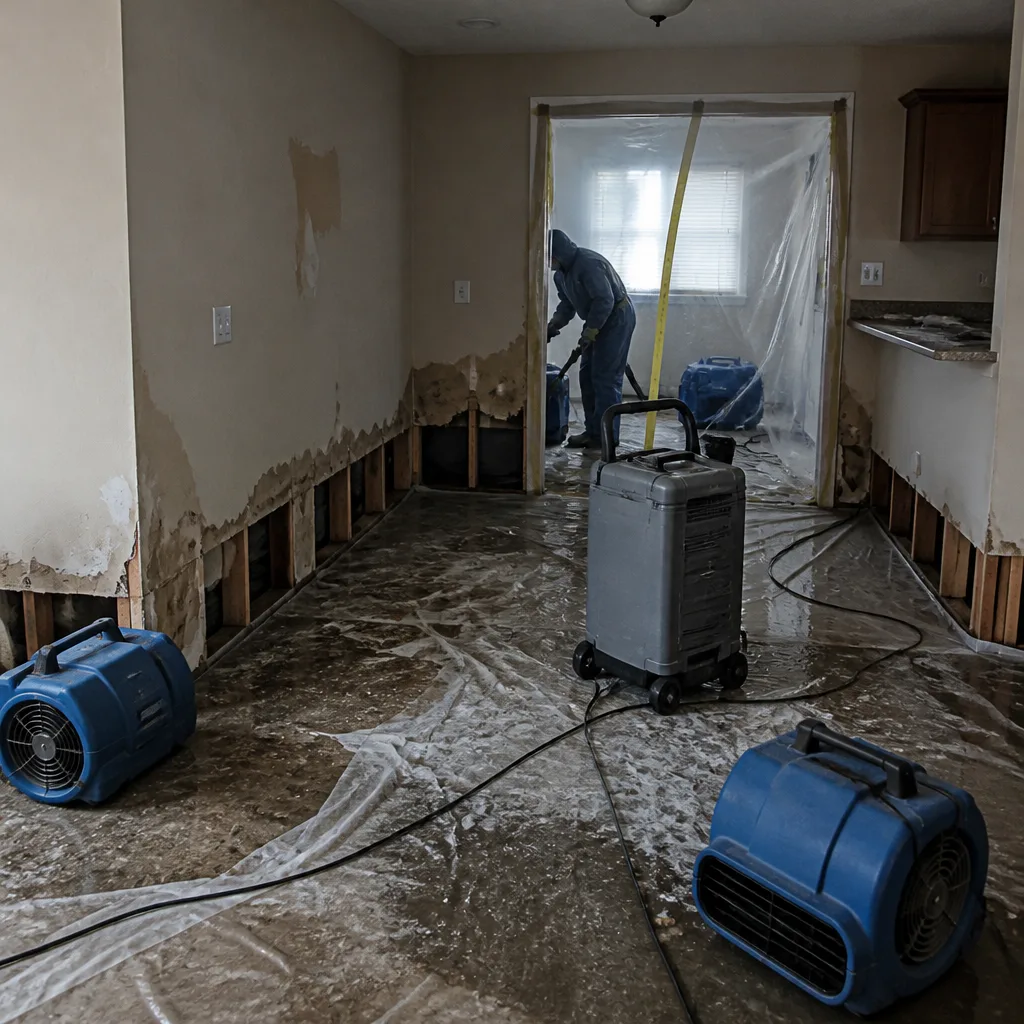 Before
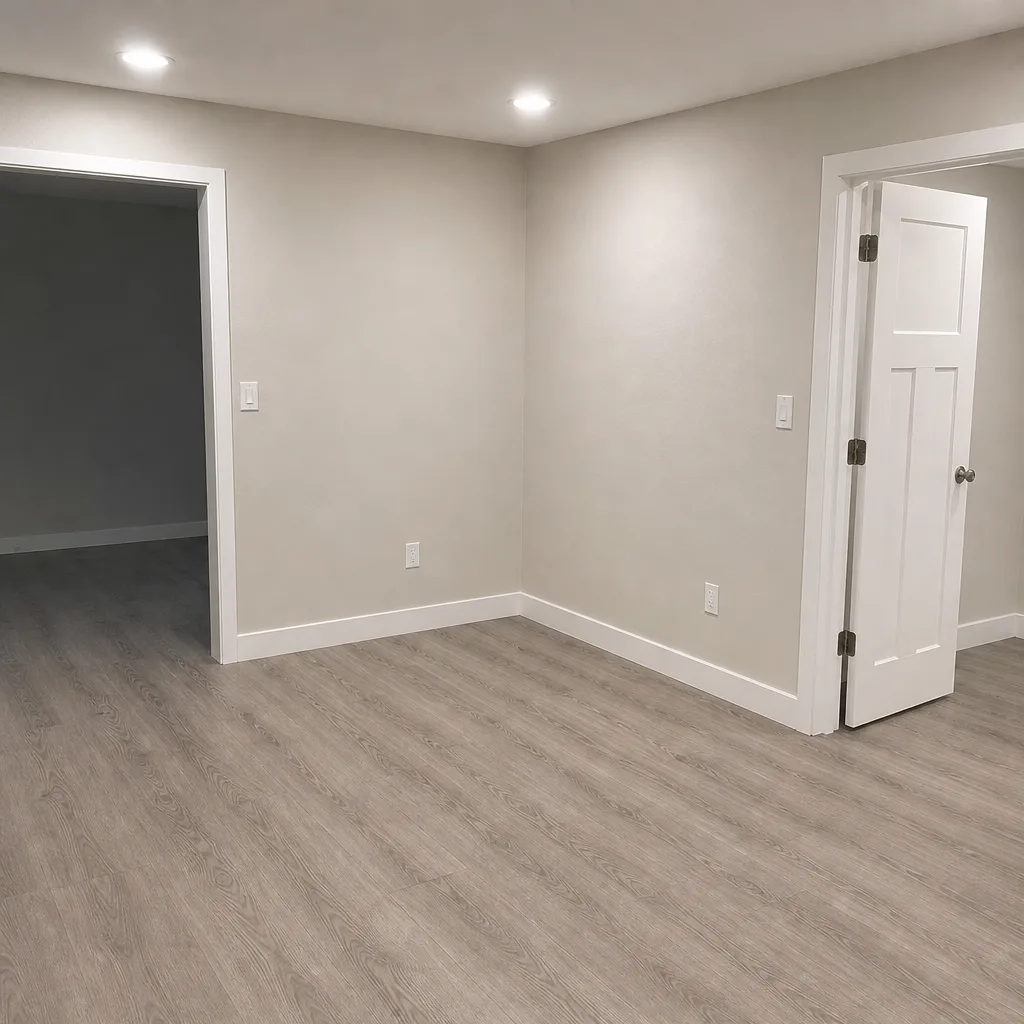 After
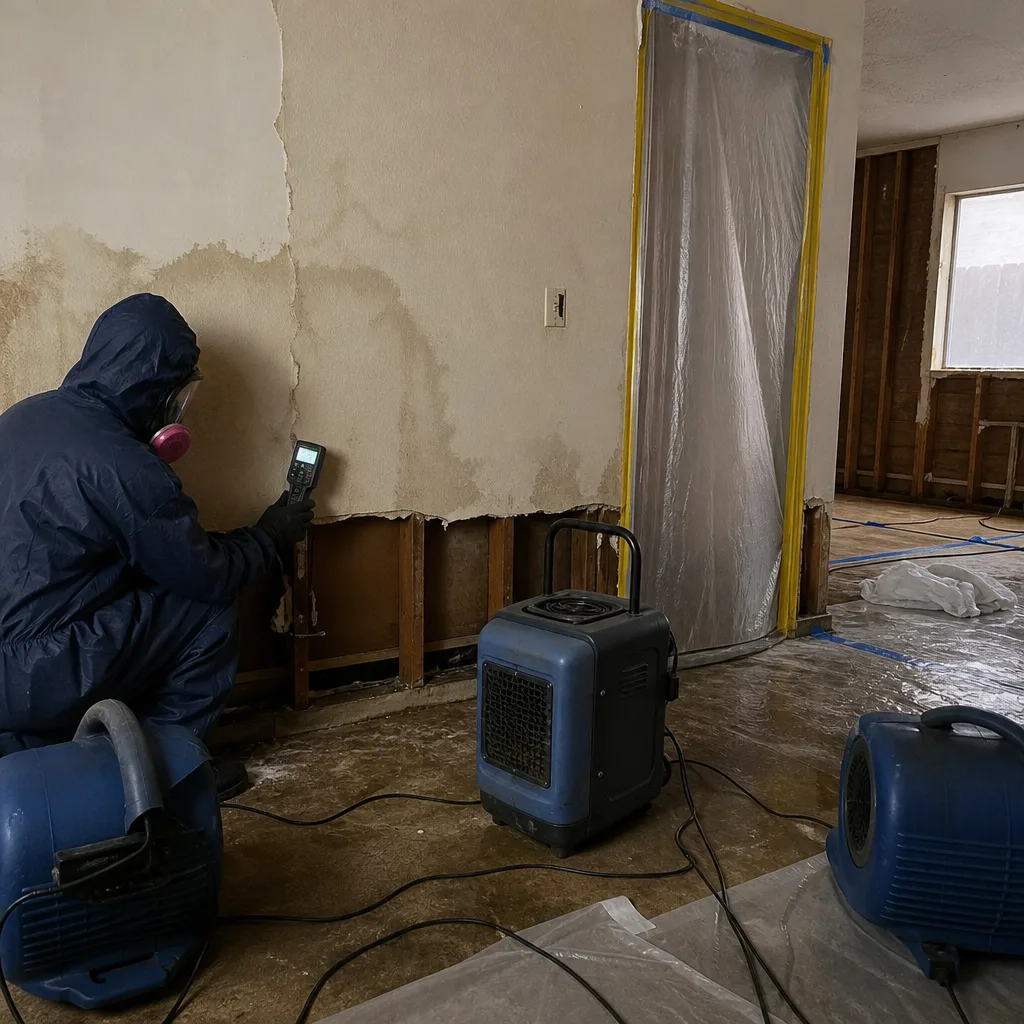 Before
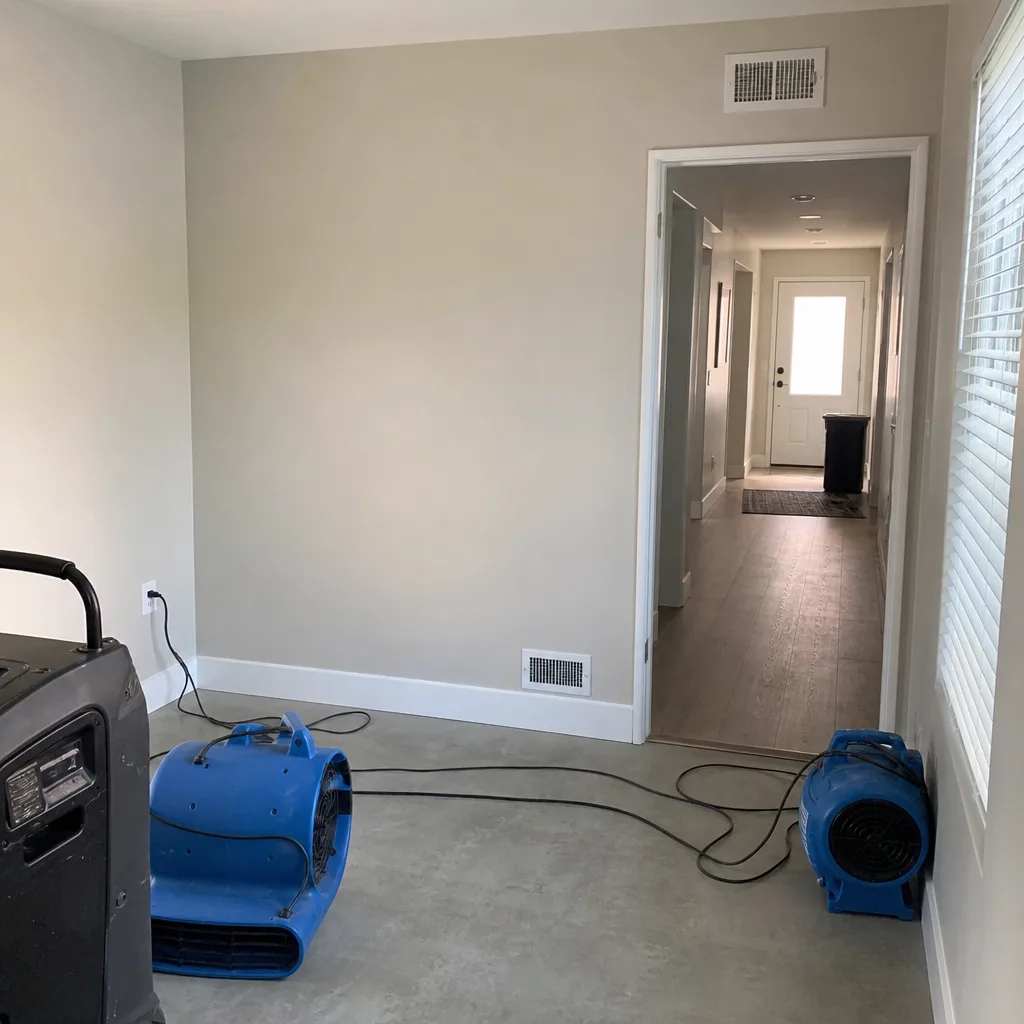 After
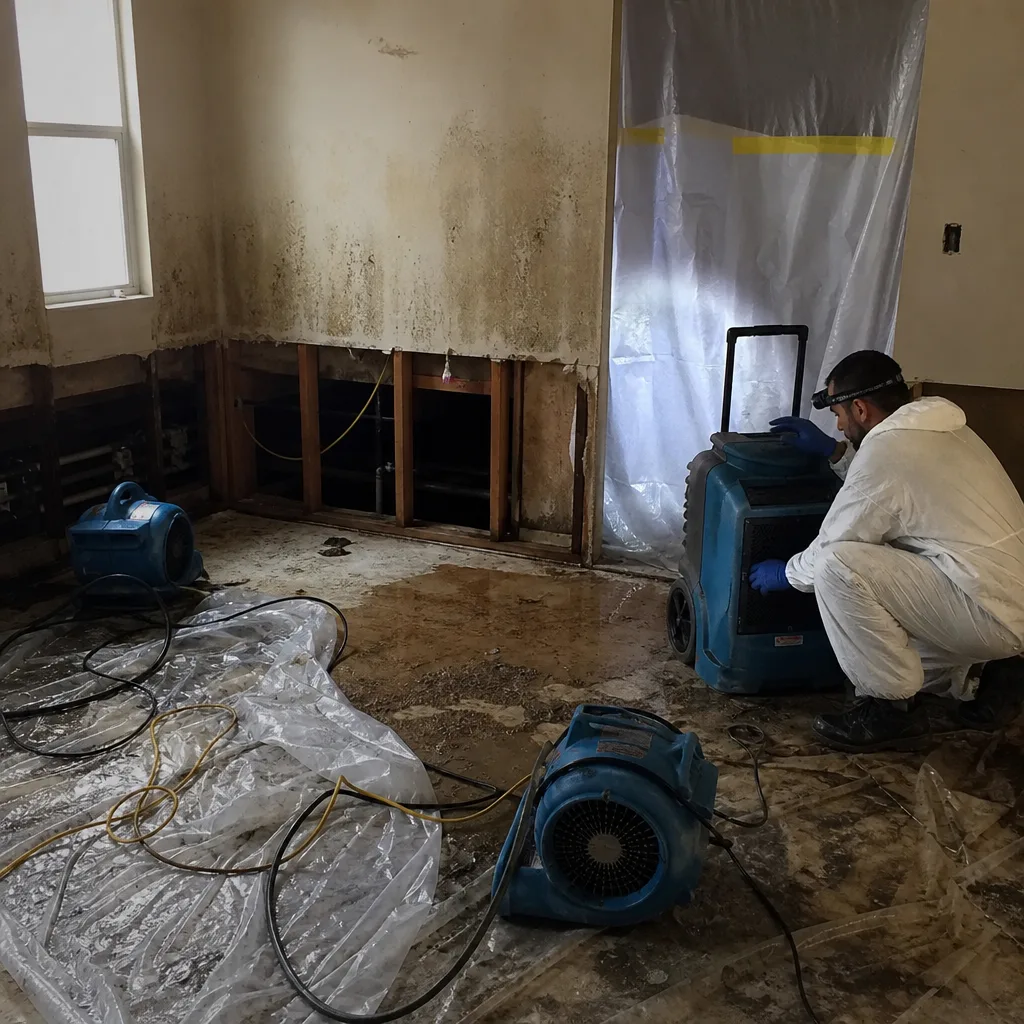 Before
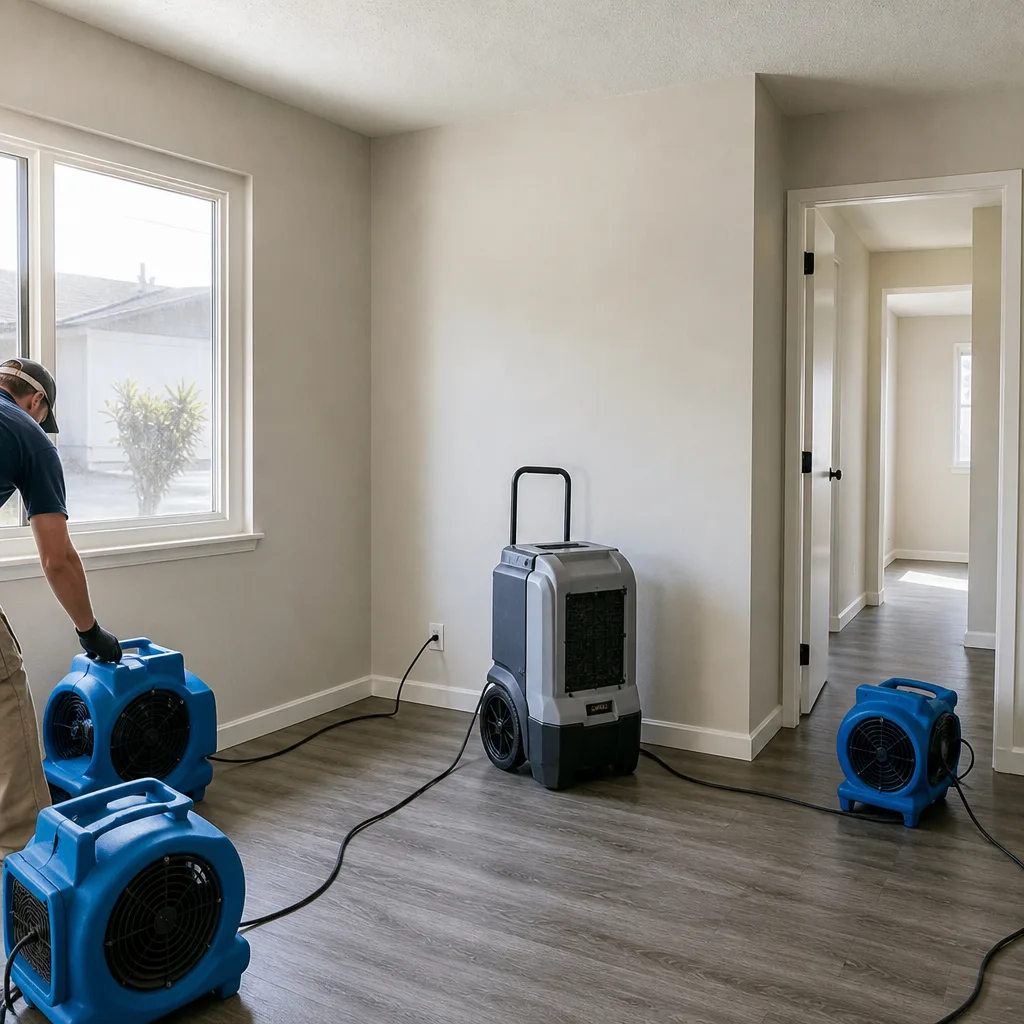 After
Common Mold Remediation Problems We See in Brea Homes
We see the same local failure modes repeat across Brea, and they keep us honest about what full remediation actually requires. These are the patterns we walk into most often when a homeowner calls after a failed attempt or an incomplete prior job.
– Foothill ash in attic insulation. In 92823 homes, Santa Ana wind events push fine ash through attic vents even when no fire is close. That ash settles into insulation, and when a plumbing or roof leak adds moisture, the ash becomes a mold food source. A few months later the musty smell comes back even though the drywall face was cleaned. You have to remove the contaminated insulation, not just spray around it.
– Self-reliant acreage owners patching and skipping moisture mapping. Brea has a strong do-it-yourself streak, especially on larger lots and acreage properties, and we respect it. But we’ve also been called to plenty of walls that were cleaned, Kilz-primed, and painted over without finding the water source. Hidden Category 2 water behind the wall keeps feeding growth, and the repair fails within a single season. Moisture mapping before you patch is cheaper than re-opening the wall twice.
– Detached workshops and oversized garages treated as separate structures. Many Brea homes have detached workshops or larger garages with their own roof lines. When those buildings share air with the house during open-door hours, mold in the workshop becomes mold in the house. Equally often, a previous drying plan sized the dehumidification for the main structure only and ignored the shop’s cubic footage. The shop stays damp, and recontamination walks right back in.
– Hillside runoff into valley-floor streets and garages. During winter atmospheric-river storms, runoff off the steep slopes above Carbon Canyon runs down into the valley, and garages and lower-level rooms on the downhill side of Brea take the hit. We see mold start at the baseboards and behind stored boxes within a week if the water isn’t extracted and the concrete slab isn’t dried to a documented reading; not just shop-vacuumed and forgotten.
Pricing for Mold Remediation in Brea, CA
We Also Serve Cities Near Brea
Our crew regularly runs mold inspection, moisture mapping, and full remediation in Brea and the surrounding area. We also cover Placentia, Fullerton, Yorba Linda, and La Habra, and the same IICRC-certified process and commercial-grade equipment go with us to every one of those homes. If you’re in a neighboring city and your need is urgent, call the same number: (833) 589-5317.
Serving Brea, CA — Our Local Coverage Area
We’re based in the Brea area and know this community well. Use the map below to see our service coverage — if you’re nearby, we can almost certainly help.

FAQs About Mold Remediation in Brea
How fast does mold start in a Brea home after a hillside runoff leak?
Mold colonization can begin within 48 to 72 hours after water intrusion in a Brea home, and faster in summer when interior temperatures stay warm and humidity is high. If you had a garage or lower-level room take runoff during a winter storm, don’t wait for a musty smell to confirm it. Call us at (833) 589-5317 and we’ll get a moisture meter on the slab and wall bases that day.
Does smoke and ash from Santa Ana wind events cause mold in Brea homes?
The ash itself doesn’t create mold, but it becomes a food source when moisture gets added through a roof leak, condensation, or plumbing failure. In foothill homes in 92823, ash settles into attic insulation and wall cavities during Santa Ana events, and then the first leak of winter starts the growth. This is a documented pattern for us in Brea, and it means we treat insulation and cavity ash as part of the mold scope, not a separate cleaning task.
Can you handle mold in a detached workshop or oversized garage in Brea in one trip?
Yes, we scope and size the drying plan for the entire property in one visit, including detached workshops, garages, and shared attic spaces on larger Brea lots. Undersized dehumidification is one of the most common reasons a previous mold job fails, and we don’t repeat that. We’ll take cubic footage readings and set up containment across all affected structures so the job is done once and documented.
What water category decides whether Brea mold-damaged drywall has to come out?
The IICRC S500 water categories govern that. Category 1 water, which is clean water from a supply line or leaky faucet, may allow for drying in place if caught early. Category 2 water, which contains significant contamination from runoff, sump failure, or a long-standing leak, usually means removal of the affected porous materials like drywall and insulation. In Brea, hillside runoff and garage intrusions after storms frequently fall into Category 2, which is why we recommend not waiting to see if it dries on its own. We’ll tell you straight what category your loss is and what that means for your walls, then put it in writing.
Do you document the drying for a Brea insurance claim on mold remediation?
Yes, every Brea mold remediation project we run includes photo documentation, moisture readings recorded before, during, and after drying, and a full scope of work that your adjuster can review. When a claim is involved, we coordinate directly with the adjuster and provide the same documentation our commercial restoration work uses. If you’re not sure how to start that conversation, call us at (833) 589-5317 and we’ll tell you what the carrier will ask for on a Brea mold claim.
_Contact Dry Line Water Damage for a free mold remediation estimate in Brea. We hold IICRC certification, we use Injectidry, Dri-Eaz, Phoenix, and XPOWER equipment, and we put every scope in writing before work begins. Call (833) 589-5317 and get an honest answer about your mold issue today._
_Written by Glen Pacheco, Owner at Dry Line Water Damage, serving Brea and surrounding communities._