


 Water damage drying
 Fire & smoke cleanup
 Mold remediation
 Storm response
 Sewage cleanup
 Reconstruction
Free visual inspection and a written scope of work before any mitigation begins - photos, moisture readings, and drying logs go in your claim file
The scope we write is the scope we bill. Anything new gets shown to you, in writing, before we touch it.
Get your free estimateFast, Reliable Mold Remediation Across Costa Mesa
Mold remediation in Costa Mesa typically runs $1,800 – $4,200 for a contained removal job, depending on how far moisture has traveled through your slab or wall cavities. Most jobs we handle in the 92626, 92627, and 92628 zip codes are done within 3 – 5 working days once containment is set. If you’ve spotted staining on a bathroom wall, caught a musty smell near a baseboard, or just found a slow leak that’s been dripping longer than you realized, call (833) 589-5317 and we’ll walk you through what happens next.
The problem with mold in this city is that it rarely announces itself the way it does in wetter climates. Costa Mesa’s coastal marine layer keeps exterior stucco and roof sheathing damp for hours every morning, so mold often blooms on the back side of a wall after a slow supply-line leak even in a low-rainfall year. That means we look for mold growth by moisture mapping sheathing and wall cavities, not by waiting for a visible stain. By the time you see the stain, the colony underneath has usually been growing for weeks.
Why Dry Line Water Damage Is Costa Mesa’s Preferred Mold Remediation Company
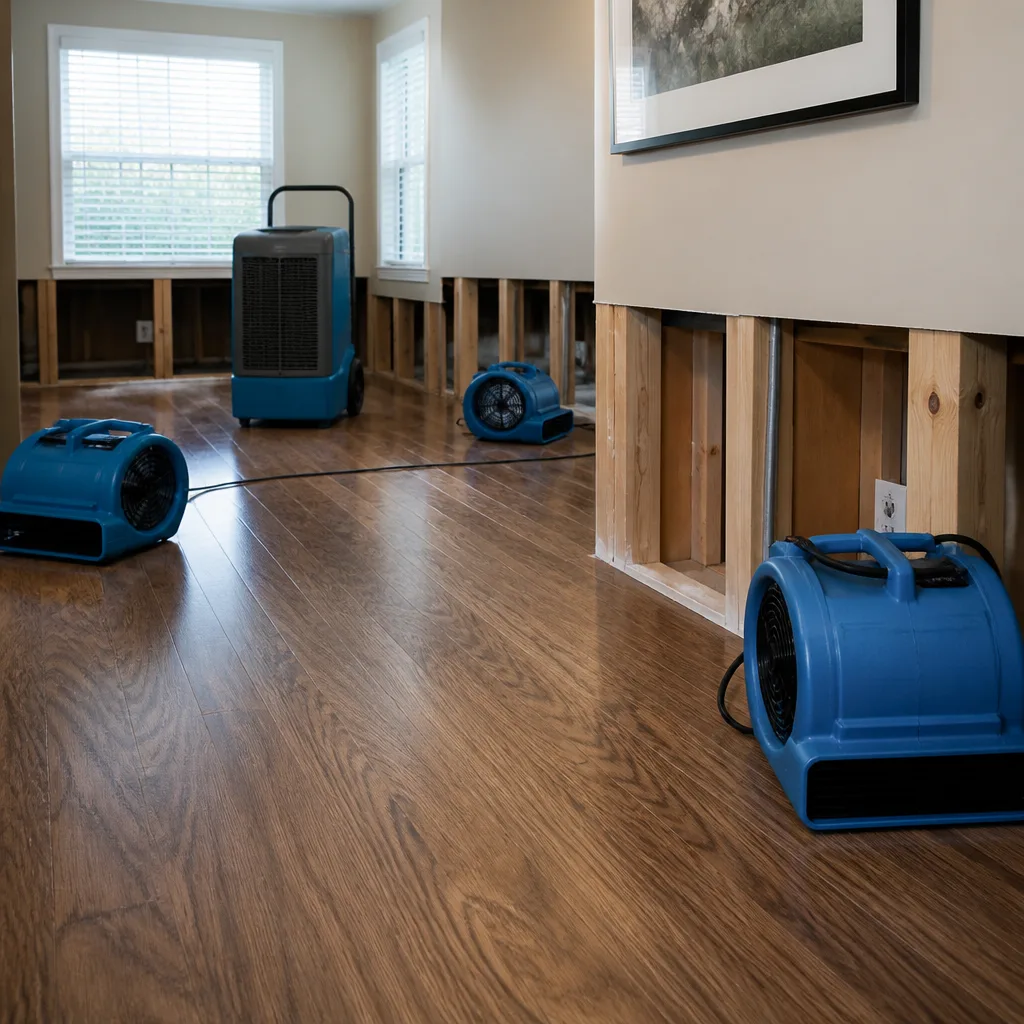
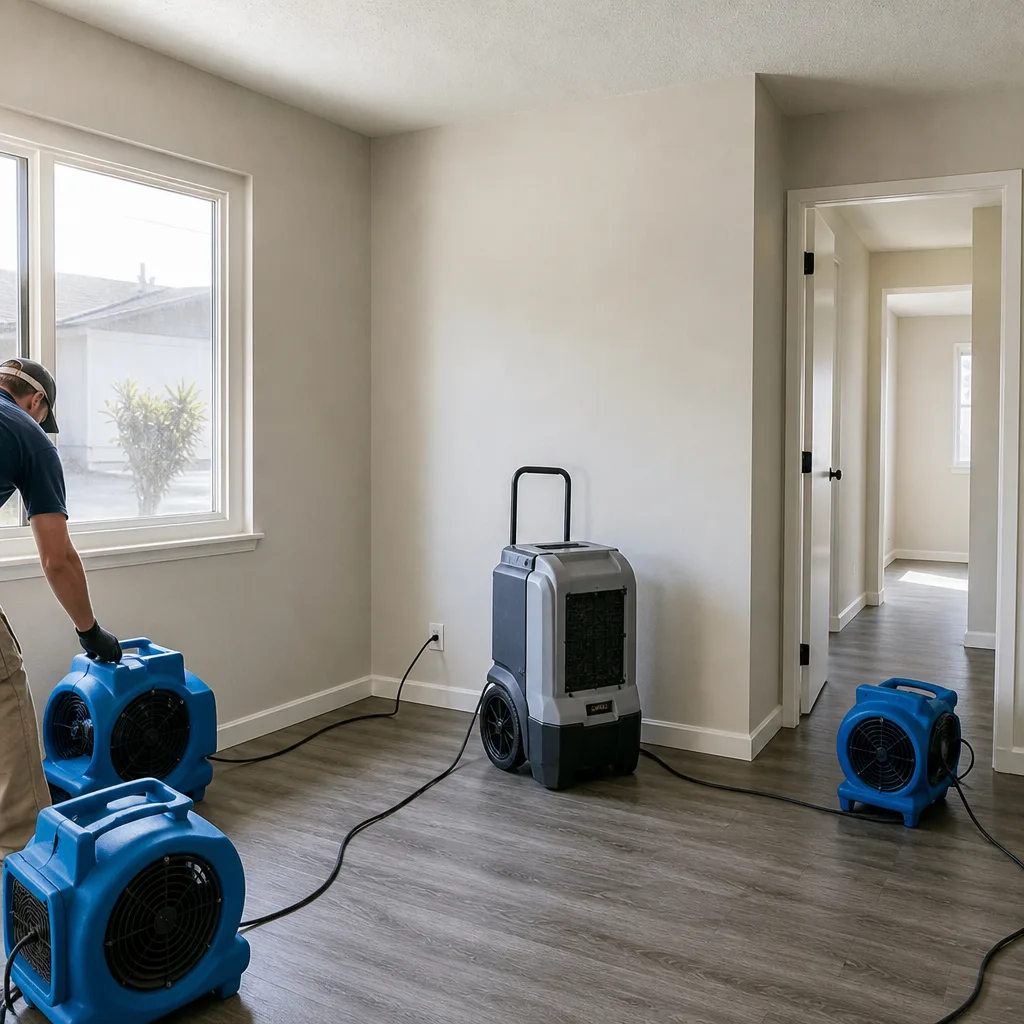
We’re an IICRC-certified operation led by Glen Pacheco, and we run the same commercial-grade drying and containment systems on Costa Mesa single-story homes that large-loss restoration contractors use on commercial buildings. No consumer rental machines. No surface-only treatment. The crew that shows up at your door carries Dri-Eaz dehumidifiers, XPOWER air movers, and Injectidry panels sized for real structural drying, not a quick cosmetic wipe-down.
Costa Mesa homeowners call us because we understand what’s actually behind these walls. The 1950s – 60s tract homes that dominate 92626 and 92627 were built on concrete slabs before modern moisture barriers existed. Water from a slab leak or supply-line failure spreads laterally under vinyl or tile flooring into adjacent rooms before any surface sign appears. Restoration here is often a “find the hidden migration path” job rather than a visible-drywall job. We map moisture before we touch anything, so we’re not guessing which walls to open.
Glen has spent years working coastal Orange County housing stock, and our Mold Remediation team treats every Costa Mesa job as an investigation first. That’s the difference between a company that sprays antimicrobial and leaves, and one that documents moisture levels until the structure reaches a verifiable dry standard.
Restoration work we handle
Mold Inspection in Costa Mesa
A Mold Inspection in Costa Mesa homes is the starting point when you suspect a problem but can’t see it, or when you need documentation for an insurance claim. Our inspection includes thermal imaging and moisture mapping across walls, floors, and the slab perimeter, plus visual inspection of exterior stucco where marine-layer dampness tends to hold. We don’t just look for what’s visible. We look for what’s feeding it.
In Costa Mesa, a professional mold inspection with moisture mapping and a written report runs $350 – $600 for a typical single-story home. If lab sampling is needed, add $75 – $150 per surface sample. That report matters when you’re dealing with an adjuster, because it gives them a documented starting point.
When an Inspection Is Worth It
You smell something musty in a bathroom or laundry room but no stain has appeared. You had a slow supply-line leak under a vanity and want to know if the drywall dried or if it’s been quietly growing mold. You bought a 1960s ranch in 92626 and want documentation of what’s behind the original walls before remodeling.
What the Report Tells You
Our inspection reports include moisture readings by room, thermal imaging findings, and a written scope of what needs remediation and what doesn’t. That written scope is the document your adjuster can work from, and it’s the same document our remediation crew executes against. No surprises. No upsold work you didn’t agree to in advance.
Mold Removal Specialist in Costa Mesa
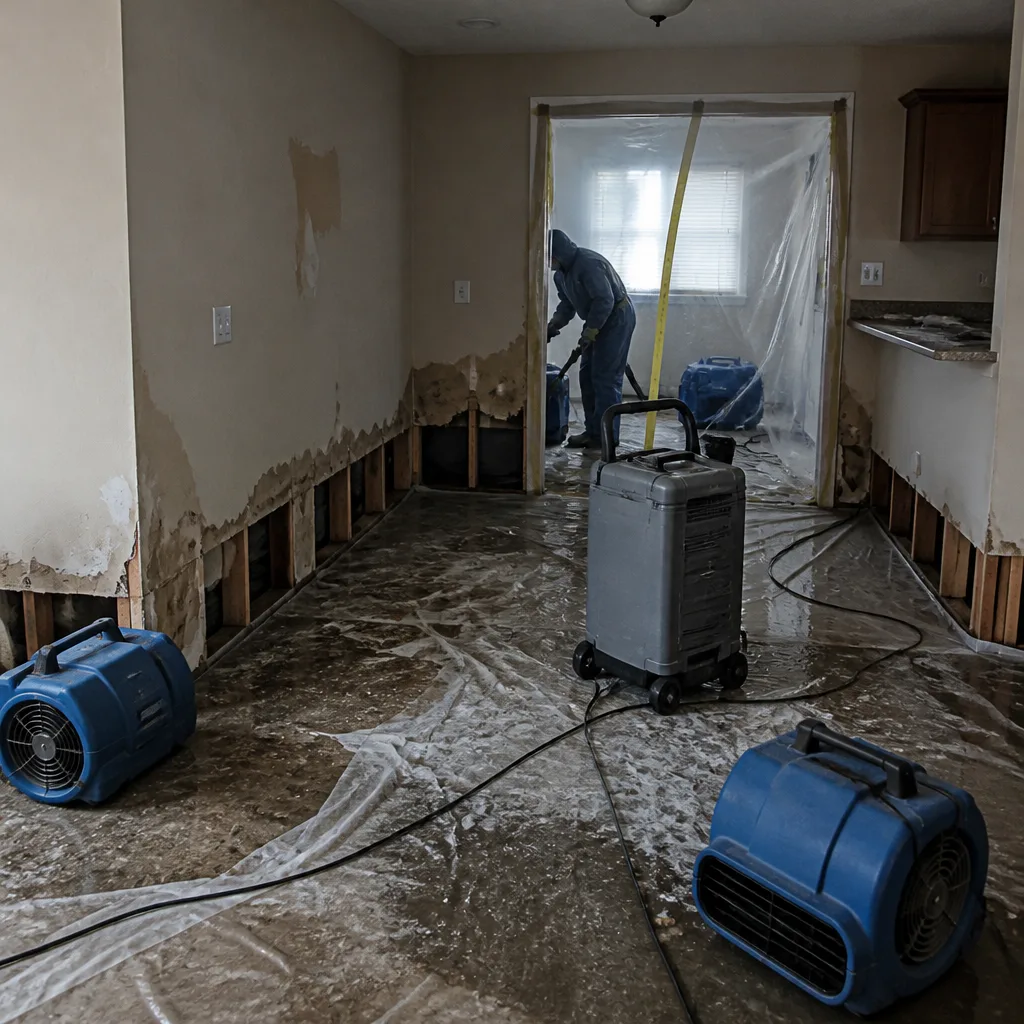
A Mold Removal Specialist in Costa Mesa homes is what you need when the mold is confirmed and the question is how to remove it without turning a contained problem into a full-house gut job. We set containment barriers, run commercial dehumidifiers and air movers, remove affected drywall or flooring, treat framing with antimicrobial products, and log daily moisture readings until the cavity meets the drying target.
Mold removal in Costa Mesa runs $1,800 – $4,200 for a typical contained room job, like a bathroom, laundry room, or water heater closet. A whole-home remediation involving multiple rooms or extensive slab water migration runs $5,500 – $9,500. What drives the cost is how far the water traveled and whether we’re cutting drywall only or also lifting flooring to dry the slab.
Containment and Drying Before We Cut
On a typical Costa Mesa job, we set negative-pressure containment before opening any wall or floor cavity. That prevents spores from spreading into your living space while we work. Then we dry the cavity with Dri-Eaz and XPOWER equipment until moisture readings return to the pre-loss baseline for your specific structure. We document all of it.
Slab Homes Need Different Treatment
The slab foundations in Costa Mesa’s 1950s – 60s tract houses change how we dry. Water under vinyl or tile doesn’t evaporate upward easily. It sits against the concrete and migrates sideways. We use Injectidry systems to pull moisture out of wall cavities and under flooring where a regular fan can’t reach. That’s structural drying without unnecessary demolition, which saves material and reduces your repair scope.
Trusted Brands We Service in Costa Mesa
We run Phoenix, XPOWER, and Injectidry equipment on Costa Mesa jobs, the same brands used on large-loss commercial restoration. These aren’t rental-counter machines. They’re commercial-grade dehumidifiers and air movers sized to pull gallons of water out of a structure, not pints. If you’ve had a restoration company in before that left equipment running without documenting readings, you know the difference. Our techs log moisture levels daily and adjust placement as the drying front moves. We stock the parts and accessories for this equipment in our own fleet, so we don’t wait on a rental house or a supply run to finish the job.
Common Mold Remediation Problems We See in Costa Mesa Homes
- Hidden slab migration under vinyl or tile. In the 1950s – 60s slab homes that make up most of 92626 and 92627, a pinhole supply-line leak under the kitchen floor travels sideways for weeks before you see anything. By the time the vinyl buckles or the tile grout darkens, mold is already established in the thinset and the slab itself.
- Marine-layer dampness that won’t let the sheathing dry. Costa Mesa mornings leave exterior stucco and roof sheathing damp for hours. If a wall cavity has a slow leak, that exterior dampness keeps the cavity humidity high enough for mold to regrow after a surface-level cleaning. We dry both sides of the cavity or it comes back.
- Failed cast-iron drains in Eastside cottages. The older cottages in 92627, especially blocks with mature ficus and eucalyptus street trees, have original cast-iron drain lines under the slab. Root intrusion and interior corrosion create slow leaks that seep into the slab, seed mold behind bathroom walls, and present as a recurring musty smell or a damp patch near the baseboard. The drain is the source, not a surface plumbing clog.
- Paint-over remediation that fails in six months. Some contractors treat visible mold, prime over the stain, and call it done. In Costa Mesa’s climate that doesn’t hold. The colony behind the drywall survives, the marine layer feeds it, and the stain returns. Actual remediation means removing the affected material or treating the cavity to a verifiable standard, not covering the surface.
See the difference
 Before
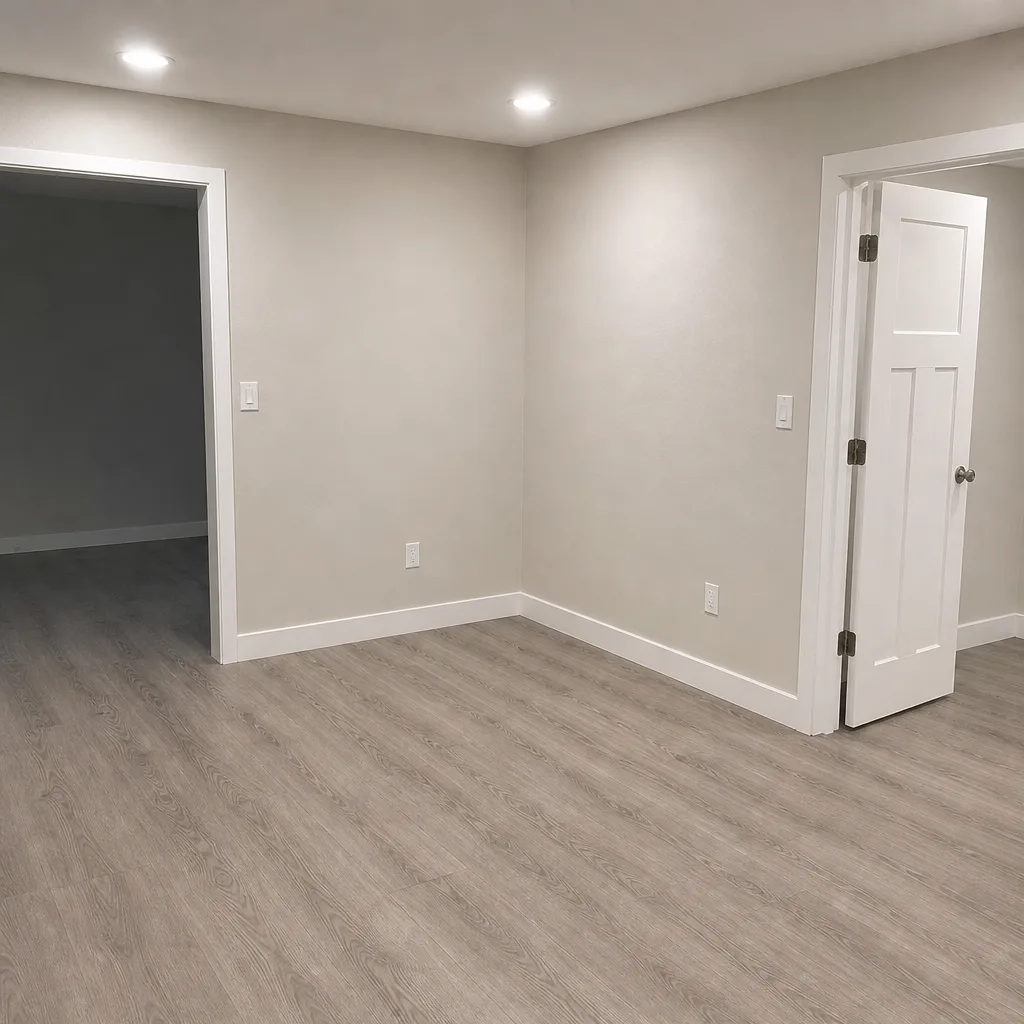 After
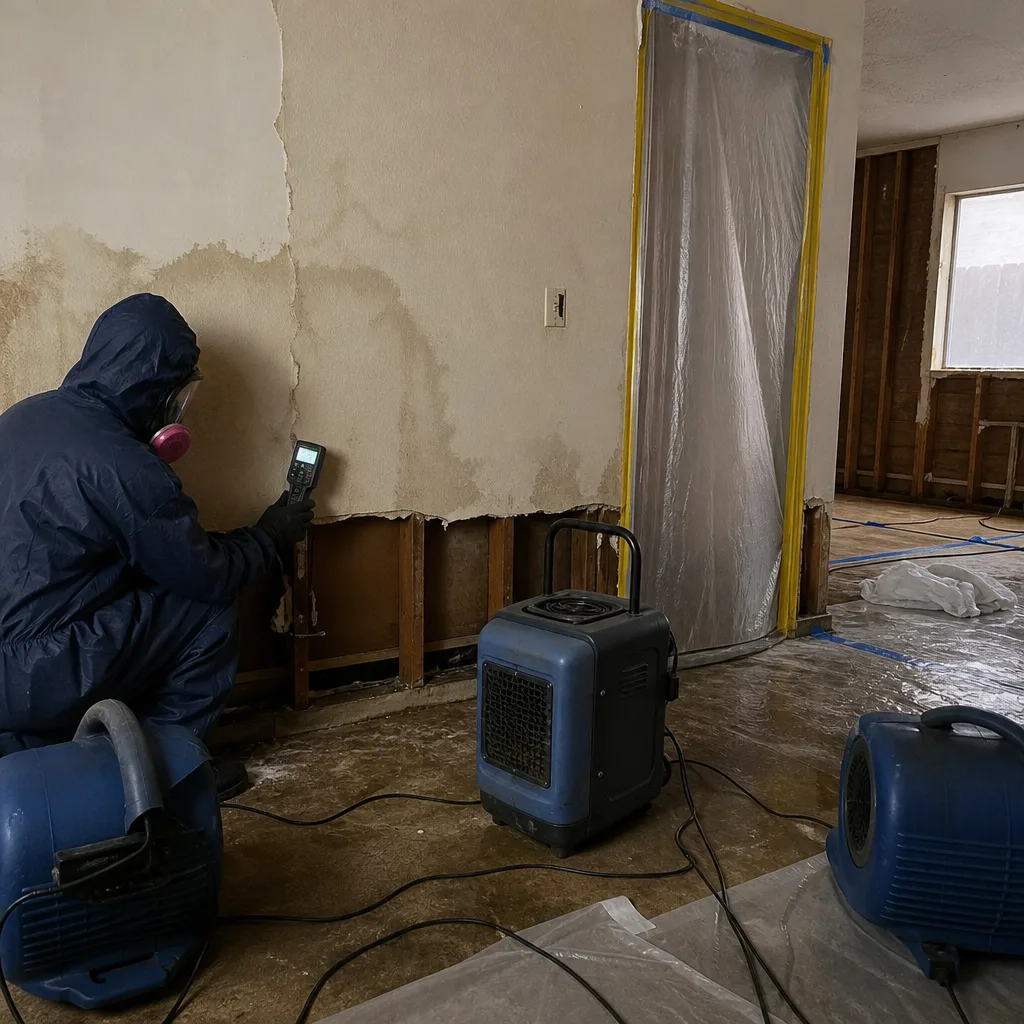 Before
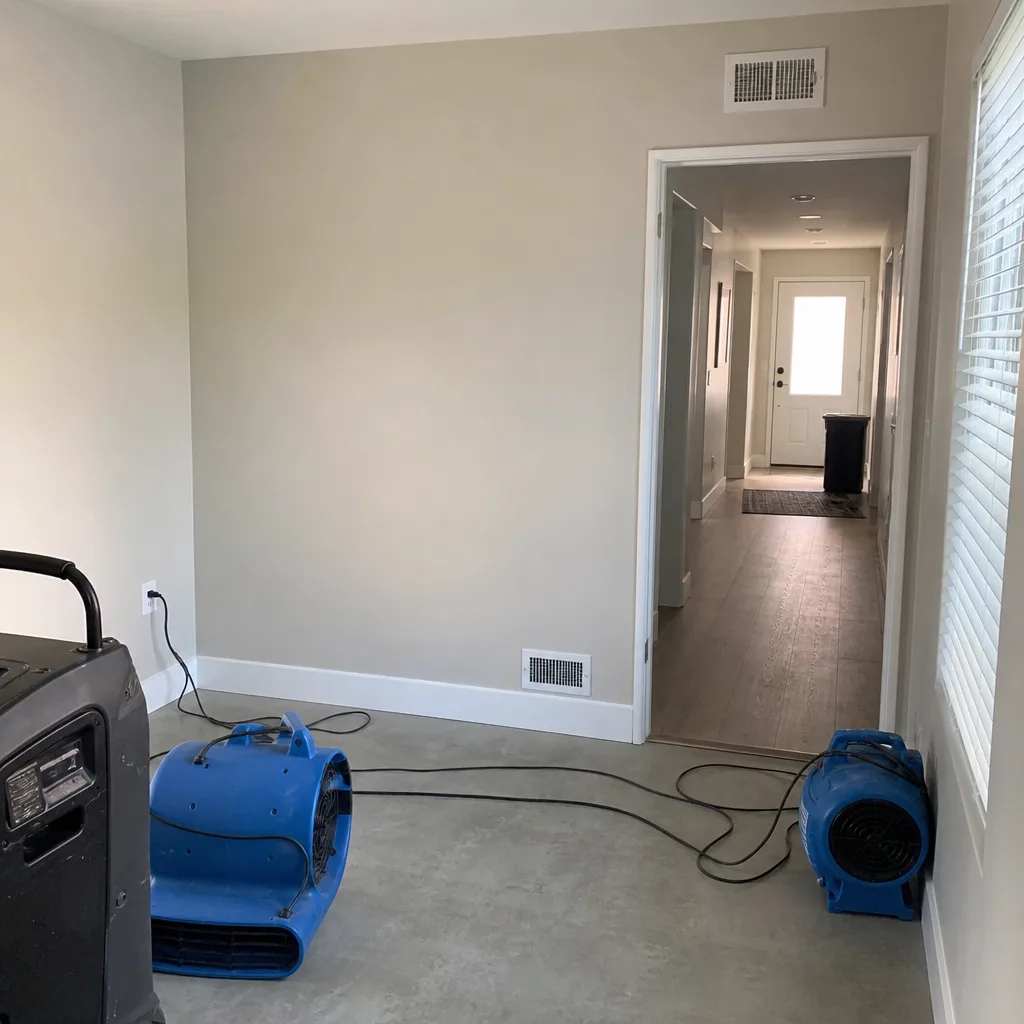 After
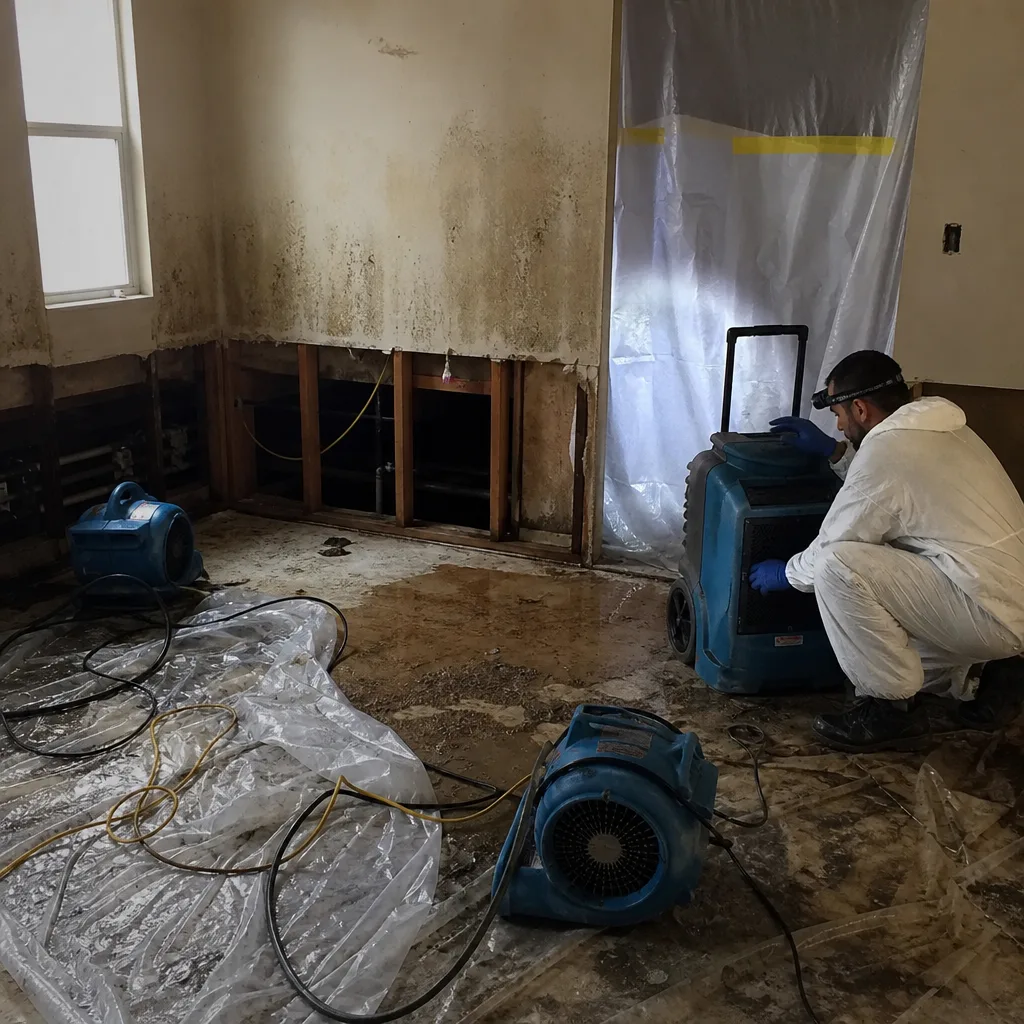 Before
 After
Pricing for Mold Remediation in Costa Mesa, CA
What makes one job $2,000 and another $9,000 is the moisture map. A bathroom wall with a small leak is a two-day job. A slab leak that’s been migrating under the kitchen, hallway, and powder room is a week or more of drying plus flooring replacement. That’s why we inspect and map before we quote. When you call (833) 589-5317, we’ll schedule an inspection and give you a written scope and a firm number before any work starts. Estimates are free.
We Also Serve Cities Near Costa Mesa
Dry Line Water Damage regularly works in Newport Beach, Fountain Valley, Huntington Beach, and San Joaquin Hills, plus the surrounding Costa Mesa neighborhoods. If you’re in a border area like the industrial corridor between Fountain Valley and 92626, call us and we’ll confirm we can get to you quickly. The same IICRC-certified process and commercial-grade equipment apply everywhere we work.
Serving Costa Mesa, CA — Our Local Coverage Area
We’re based in the Costa Mesa area and know this community well. Use the map below to see our service coverage — if you’re nearby, we can almost certainly help.

FAQs About Mold Remediation in Costa Mesa
Why does mold keep coming back in my Eastside Costa Mesa cottage even after we clean it?
Because the moisture source hasn’t been removed. In Eastside cottages, the most common source is a corroded cast-iron drain line under the slab leaking into the wall cavity, where the coastal marine layer keeps humidity high enough for regrowth after a surface clean. Cleaning the visible mold without fixing the drain and drying the cavity is temporary. Call (833) 589-5317 and we’ll find the actual source before we touch anything.
Do Costa Mesa’s slab foundations make mold remediation different from a typical drywall job?
Yes. Water on a slab doesn’t drain away; it spreads laterally under flooring into adjacent rooms. You see a small stain in one bathroom, but the moisture map shows water under the hallway and the next room’s vinyl. We dry the slab and the migration path, not just the room where the stain appeared.
How does the coastal marine layer affect mold growth after a slow leak in Costa Mesa?
The marine layer keeps exterior stucco and sheathing damp for hours each morning, even when it hasn’t rained. That means a slow leak inside a wall cavity never gets the dry-out period it would inland. The cavity sits at elevated humidity around the clock, so mold grows faster and survives longer. We moisture-map the sheathing and dry the cavity from both sides.
Can you dry a water-damaged Costa Mesa home without tearing everything out?
Often, yes. Injectidry systems pull moisture out of wall and floor cavities through small access points rather than opening every surface. We still remove visibly mold-contaminated drywall, but the structural drying itself is far less demolition-heavy than a traditional tear-out when we catch the migration early. The longer you wait, the more material has to go.
What should I expect from a mold inspection in a 92626 ranch or South Coast Metro condo?
A thorough inspection includes thermal imaging, moisture mapping of walls and floors, visual checks of exterior stucco, and a written report with readings and findings. In a 92626 ranch, we’re looking for slab migration paths and attic dampness. In a South Coast Metro condo, we’re checking shared walls, bathroom ventilation, and the HVAC closet. Inspection runs $350 – $600 with the report included, and the report is yours whether you hire us for remediation or not.
Call Dry Line Water Damage for Mold Remediation in Costa Mesa
If you’ve seen staining, smelled something that won’t go away, or had a leak that’s been dripping longer than you want to admit, call (833) 589-5317 now. We’ll schedule an inspection, map the moisture, and give you a written scope and a firm number before any work starts. Glen Pacheco and our IICRC-certified crew work directly with adjusters, document every moisture reading, and don’t leave until the structure meets a verifiable dry standard. That’s the whole job.
Written by Glen Pacheco, Owner at Dry Line Water Damage, serving Costa Mesa since our first coastal Orange County mitigation.