


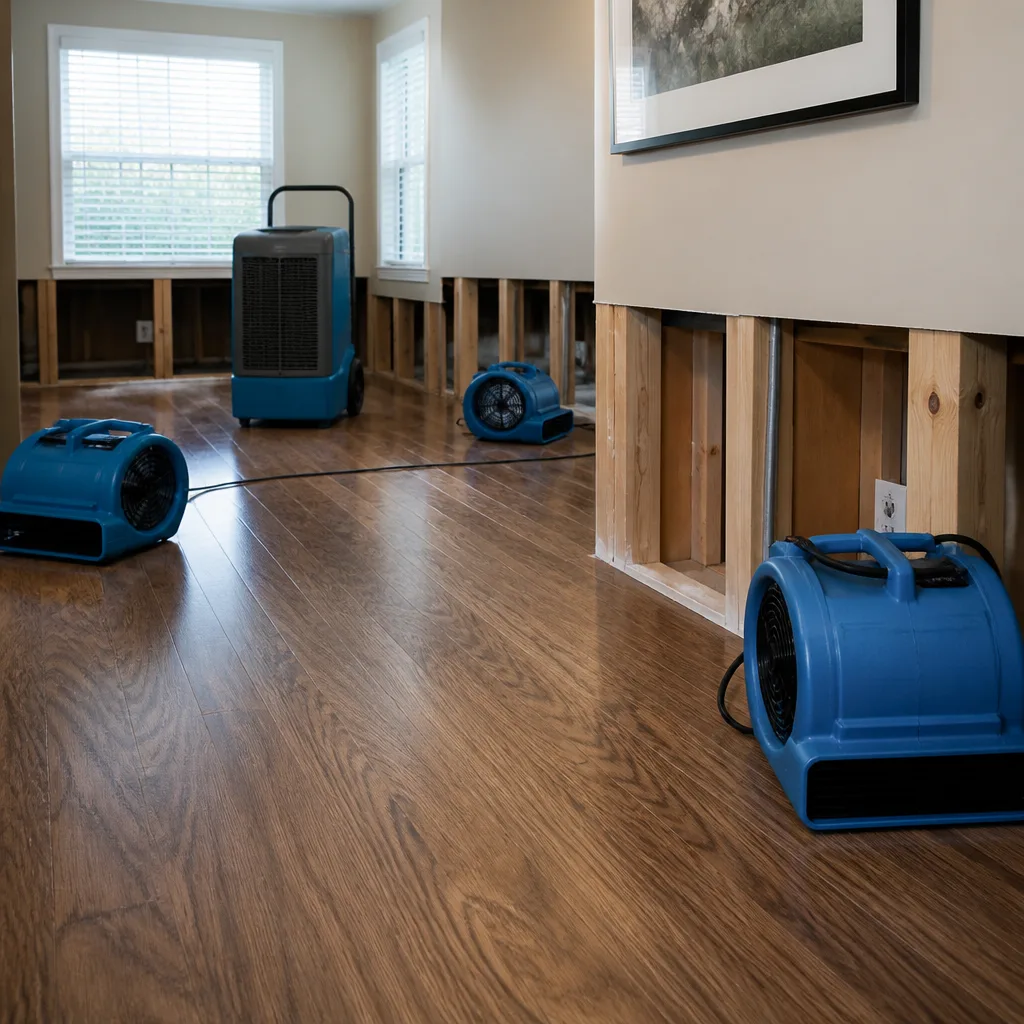
 Water damage drying
 Fire & smoke cleanup
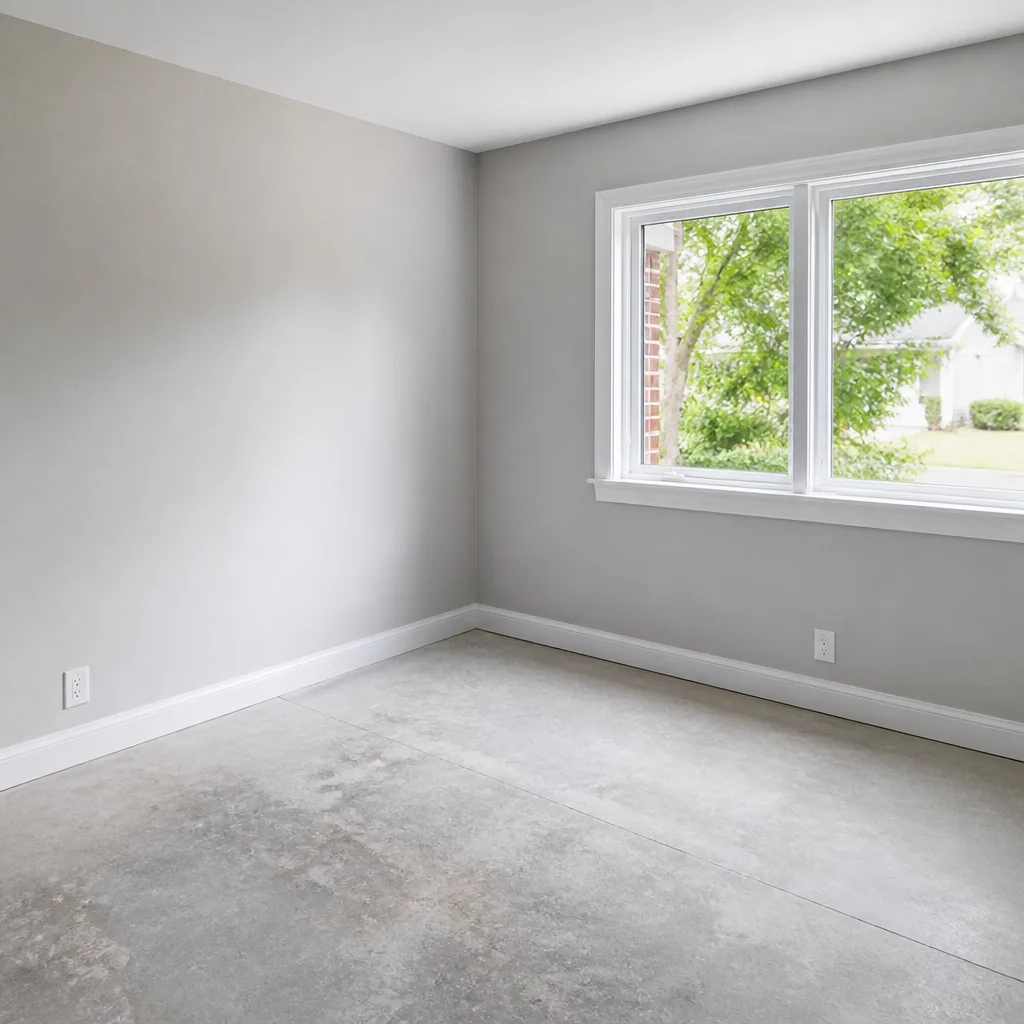 Mold remediation
 Storm response
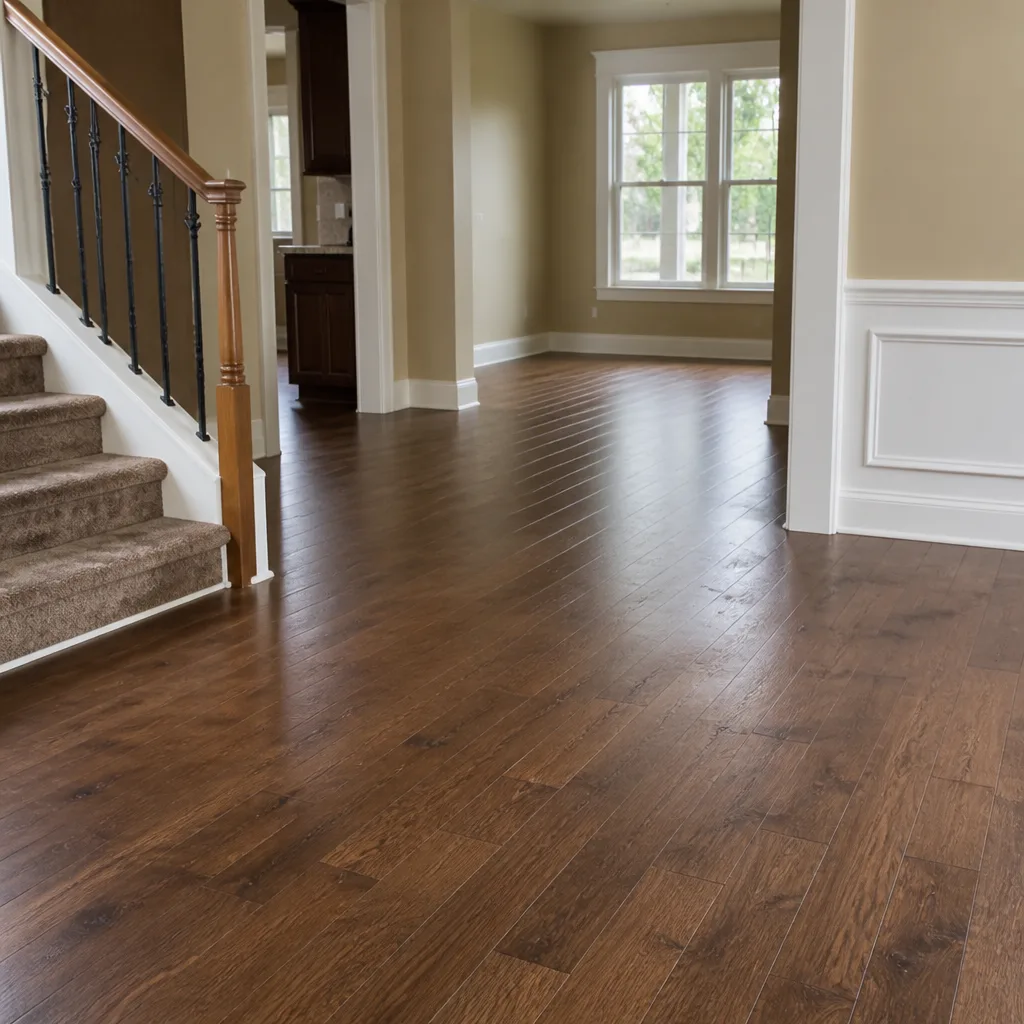 Sewage cleanup
 Reconstruction
Free visual inspection and a written scope of work before any mitigation begins - photos, moisture readings, and drying logs go in your claim file
The scope we write is the scope we bill. Anything new gets shown to you, in writing, before we touch it.
Get your free estimateFast, Reliable Water Damage Restoration Across Lakeland Village
Water damage in Lakeland Village moves faster than most homeowners expect. When a supply line bursts in a hillside tract home near Grand Avenue, or runoff from a winter storm sheets into a pier-and-beam cabin off Lakeshore Drive, the clock starts immediately. Dry Line Water Damage responds to Lakeland Village with IICRC-certified crews and commercial-grade drying equipment, not rental-fleet machines. We know this community’s housing stock, its drainage patterns, and the specific ways moisture behaves in lake-adjacent structures. If you’re standing in water or watching a ceiling stain spread right now, call (833) 589-5317. We’ll walk you through the first steps before the crew rolls out.
Why Dry Line Water Damage Is Lakeland Village’s Preferred Water Damage Restoration Company
Lakeland Village isn’t a generic suburb. It’s a narrow stretch of hillside and shoreline on the west edge of Lake Elsinore, where 1940s lakefront cabins sit two streets over from 1990s stucco tract homes. That mix matters when water invades a structure. Our crews have worked both types here, and we know what hides in each: saturated crawlspace insulation under old pier-and-beam floors, moisture trapped behind stucco on newer graded lots, and runoff channels that turn driveways into creeks after a hard rain. The Water Damage Restoration work we do in Lakeland Village reflects that local familiarity, not a one-size-fits-all template.
We’re an IICRC-certified operation, which means our drying standards are set by the restoration industry’s most rigorous third-party training body, not our own marketing department. Homeowners in Lakeland Village who’ve worked with us know the difference: documented moisture readings, written scope before work starts, and a process built around measurable dry, not visual guesswork. Glen Pacheco leads this company with a simple expectation: every job gets treated like it’s his own house, with the equipment and process to match the seriousness of the loss.
Response time to Lakeland Village matters because the damage doesn’t pause while you shop for a contractor. Our dispatch reaches most of the community quickly from our Fontana base, and our local familiarity means we aren’t consulting a map while water keeps spreading. When we arrive, we photograph everything, map the moisture, and tell you exactly what we found before any equipment gets unloaded.
Restoration work we handle
Flooded Basement in Lakeland Village
Flooded Basement situations in Lakeland Village are almost always tied to storm runoff, not a single plumbing failure. The hillside streets above the lake, particularly the older sections near Church Road and the east slope, funnel rainwater down driveways and against foundation walls. When that water finds its way into a below-grade space or a low-lying crawlspace, it pools quickly. A Lakeland Village homeowner typically needs us when the water is already standing, or when a musty smell and damp carpet start spreading two days after a heavy rain.
What the job involves here depends on the structure. In a 1970s home with a partial basement, we extract the standing water first, then run high-velocity air movers and Phoenix dehumidifiers to pull moisture from concrete and framing. In a pier-and-beam cabin, the work shifts to the crawlspace: containment, moisture mapping, and Injectidry systems to dry joists and insulation without tearing out floors. A flooded basement or crawlspace extraction in Lakeland Village typically runs $1,800 to $4,500 depending on square footage, standing water depth, and whether the insulation is salvageable.
Extraction Before Drying
Standing water has to come out before dehumidifiers mean anything. We use truck-mounted and portable extraction units rated for continuous use, not homeowner wet-vacs. The goal is to remove the bulk of the water in the first hour on site, then let the drying equipment do its job efficiently.
Killing the Damp That Follows
Lakeland Village basements and crawlspaces stay wet longer than you’d expect because of the lake’s seasonal fog and heavy winter rains. Without a proper dry, damp framing starts growing mold within two days. We document the moisture levels at the start, during, and end of the job so you’re not left guessing whether the space is actually dry.
Water Extraction in Lakeland Village
Water Extraction in Lakeland Village means more than vacuuming up a puddle. It’s the first, most time-sensitive step after any interior flood, and the way it’s done determines whether you have a simple dry-out or a full tear-out six weeks later. The homes along the west shore and up the hillside streets see a particular pattern: storm water sheets across the grade, pools against the foundation, and wicks into flooring, drywall, and framing.
When a Lakeland Village homeowner calls us for extraction, we’re looking at a few scenarios. A burst supply line in a 1980s tract home off Grand Avenue has clean water, but it spreads fast above grade. A backed-up drain or storm sewer carrying sediment and lake-lawn runoff is a different story. And a lakefront cabin with water pushing up through the floor from saturated ground is its own animal. The Lakeland Village terrain makes each of these more likely than in flat inland cities.
Category Matters Here
Water extraction in Lakeland Village has to account for the source category. Category 1 clean water gets fast extraction and drying. Category 2, common when rain carries soil and lawn chemicals, requires more aggressive cleaning. Category 3, which includes sewage or lake-influenced runoff, demands full containment, disposal of porous materials, and antimicrobial treatment. We won’t treat a Category 3 loss like a Category 1 puddle.
After the Water’s Out
Extraction is only the start. We don’t declare victory when the floor looks dry. We use moisture meters on the framing, the subfloor, and the wall cavities. A Lakeland Village home with stucco exterior can look fine on the inside wall while the plaster and insulation behind it hold enough moisture to grow mold. The meters tell us the truth, and the drying plan follows from that data.

Trusted Brands We Service in Lakeland Village
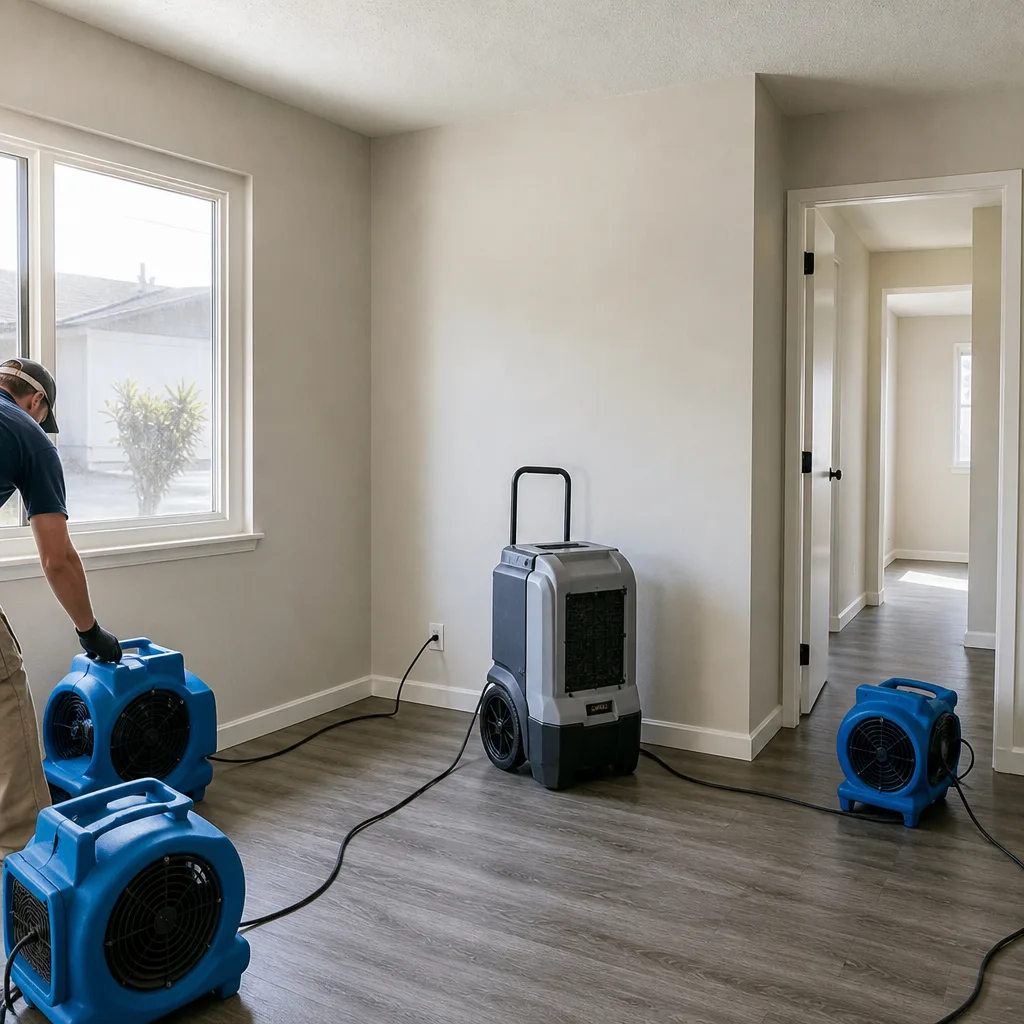
Lakeland Village homeowners don’t need to understand every piece of drying equipment we carry, but they do appreciate knowing we’re not running consumer-grade machines. Our fleet includes Dri-Eaz, Phoenix, XPOWER, and B-Air units; the same commercial systems used on large-loss commercial restoration jobs. For structural drying inside walls and under cabin floors, Injectidry systems pull moisture from cavities without us tearing everything open. We keep parts and filters stocked for these brands, so a Lakeland Village job doesn’t stall while a replacement part ships out of state. When a homeowner sees these brands on a truck, it’s a signal we do this work professionally, not as a side business.
Common Water Damage Restoration Problems We See in Lakeland Village Homes
- Storm runoff pooling at foundations. The hillside streets above the lake channel water directly down driveways and into crawlspaces, and the water often carries silt and debris that complicate drying and cleanup.
- Hidden moisture behind stucco. 1980s and 2000s tract homes throughout the 92530 ZIP code trap moisture in wall cavities after storms. By the time staining shows on interior drywall, the damage is already widespread.
- Wet crawlspace insulation under pier-and-beam cabins. Many 1940s through 1970s lakefront homes have crawlspaces that flood invisibly. Saturated fiberglass insulation holds water for weeks and grows mold before anyone realizes there’s a problem.
- Older supply lines failing in aging homes. The original plumbing in 1960s lakeside cabins and hillside homes is past its expected lifespan. A pinhole leak in a crawlspace can run for days hidden, soaking joists and subfloor before it’s discovered.
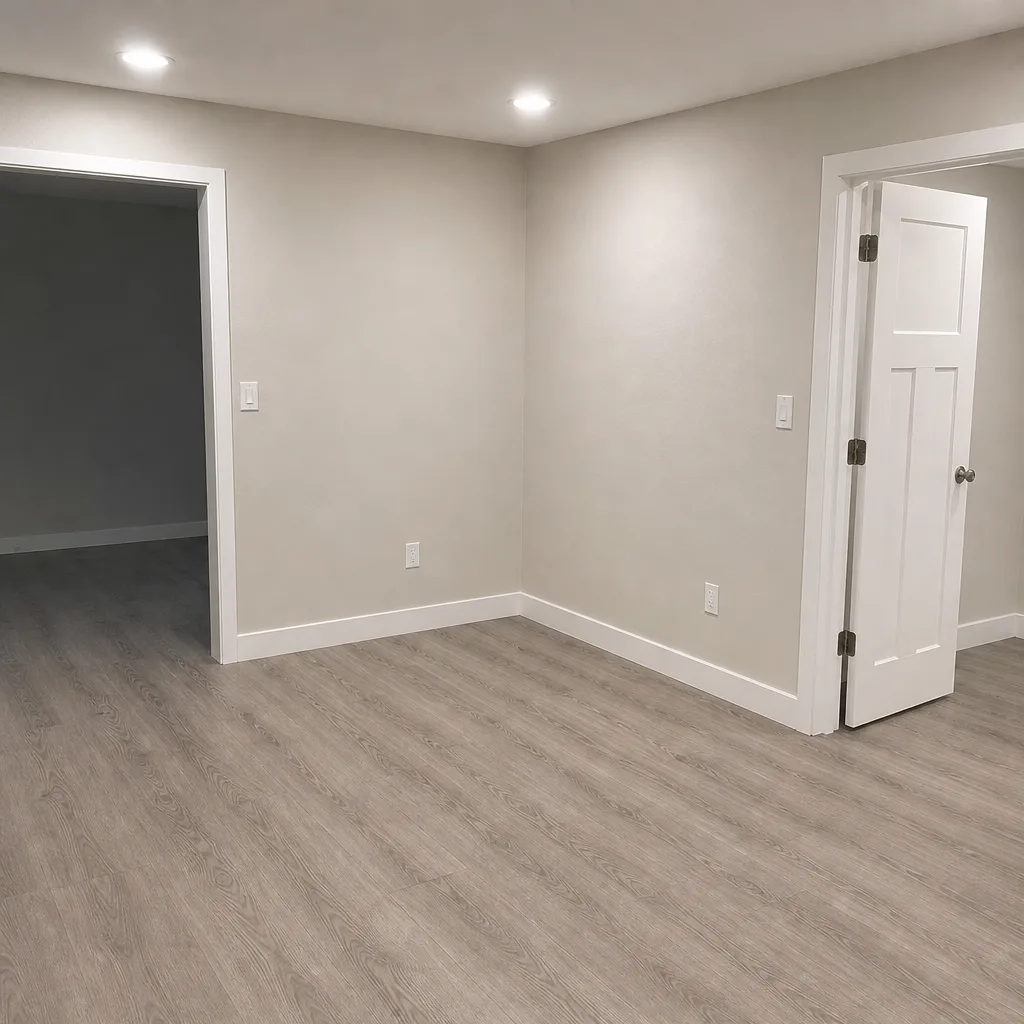
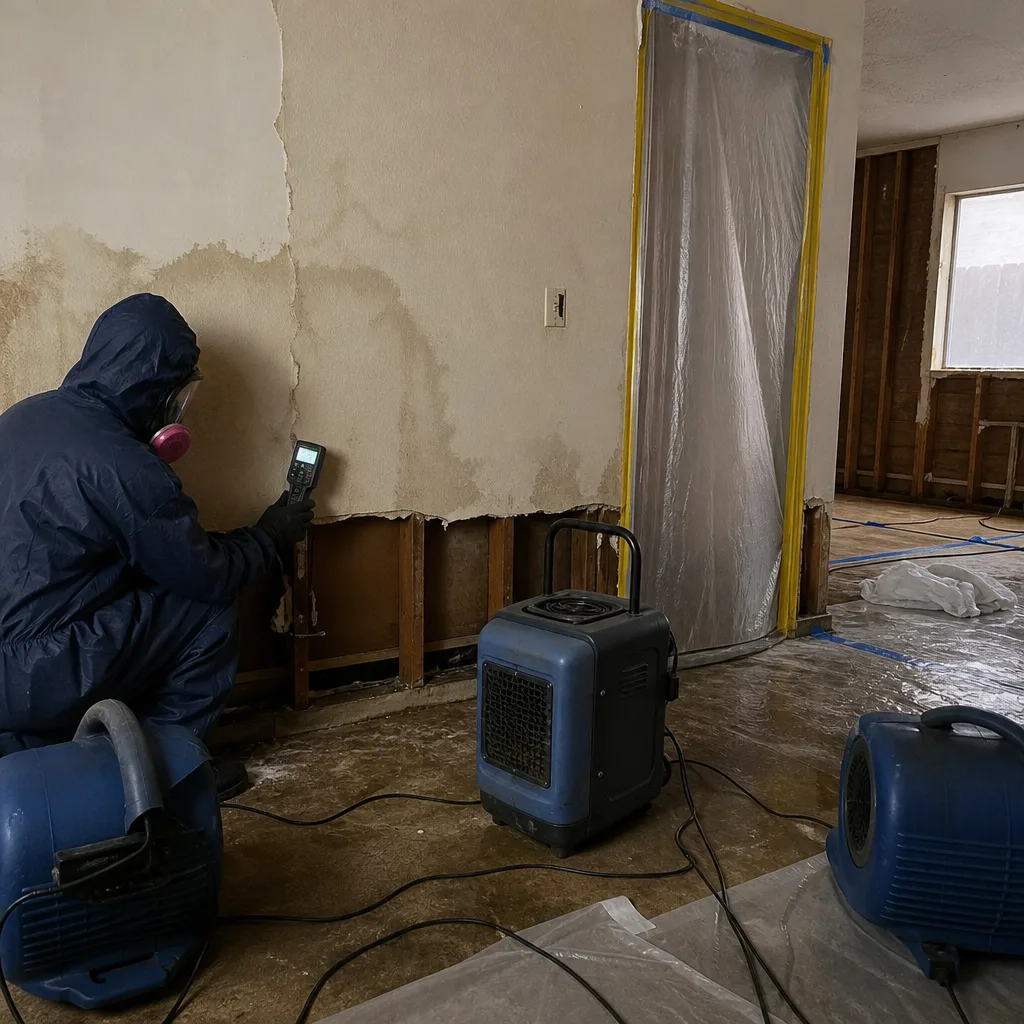
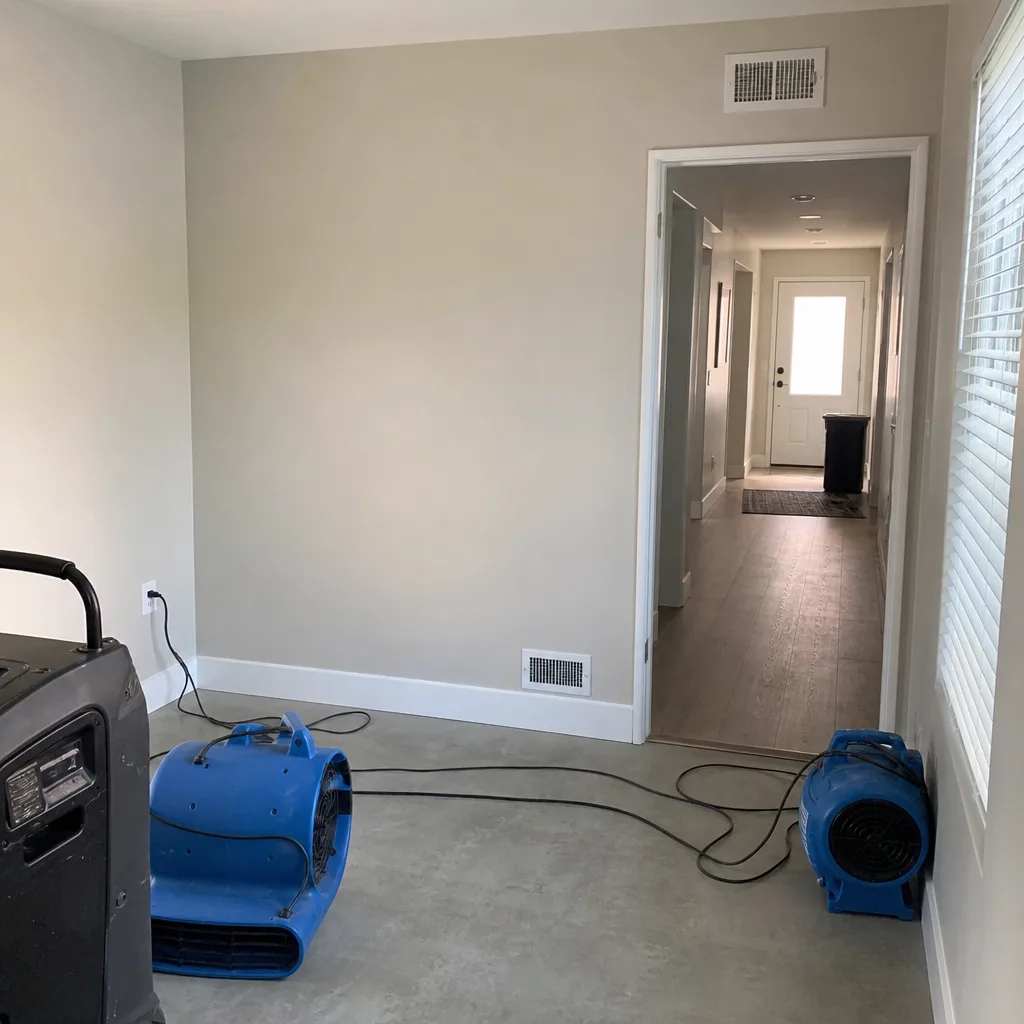
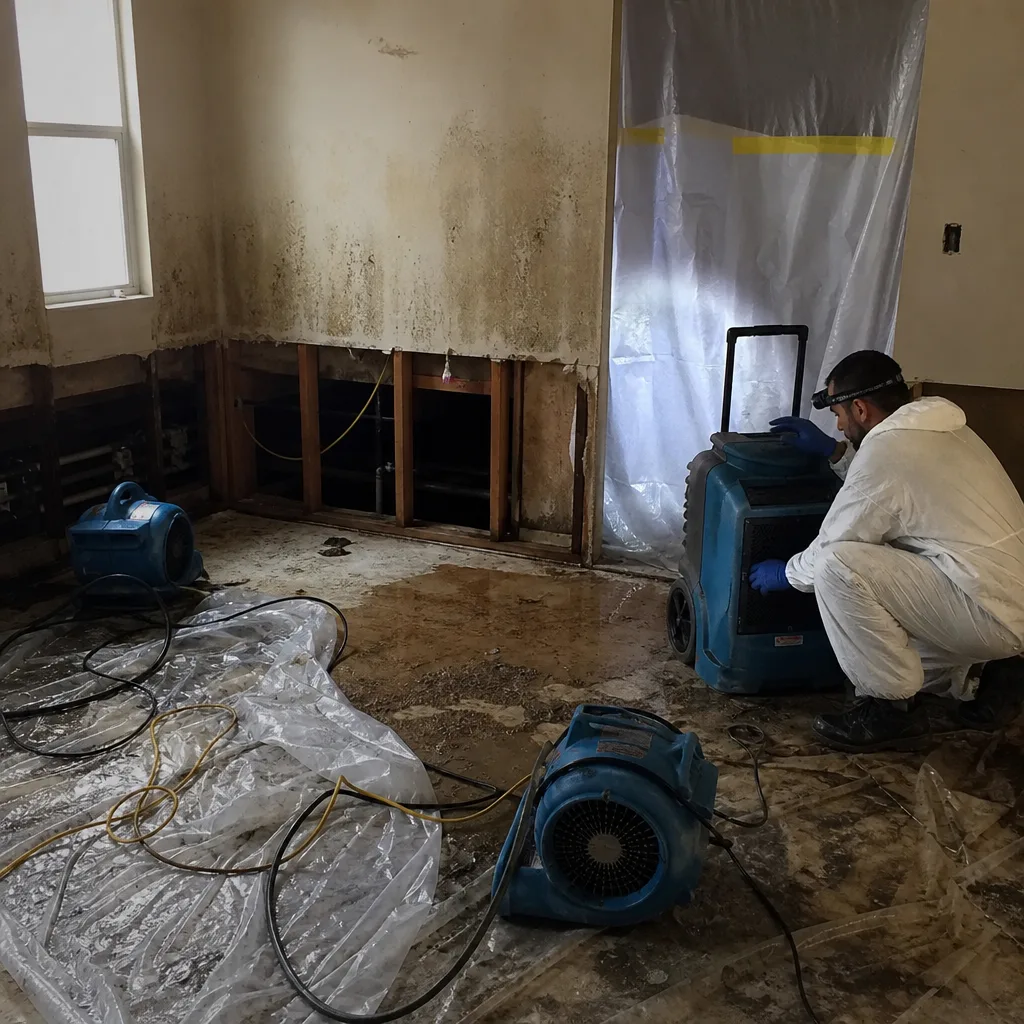
See the difference
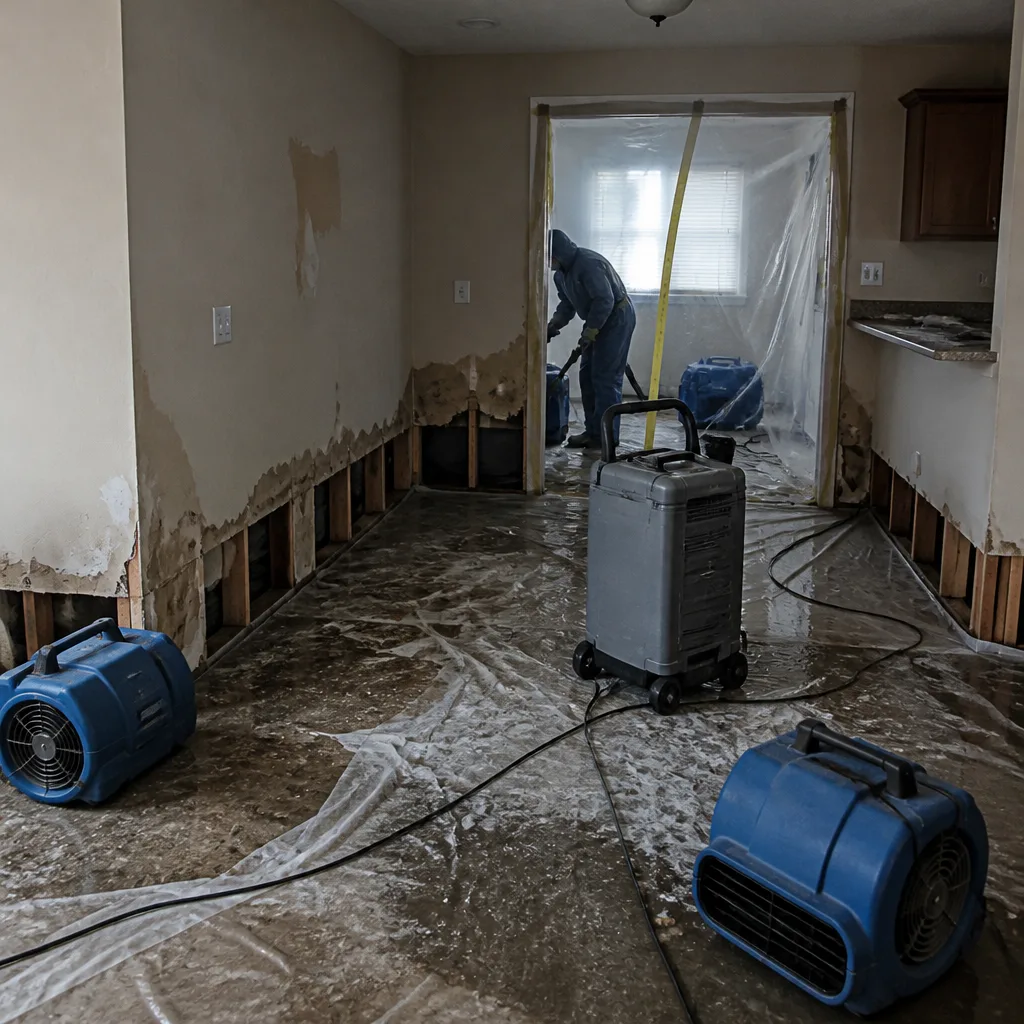 Before
 After
 Before
 After
 Before
 After
Pricing for Water Damage Restoration in Lakeland Village, CA
Water damage restoration in Lakeland Village runs on a range because every loss has different square footage and saturation levels. A straightforward water extraction from a single room typically costs $800 to $1,500. Structural drying with dehumidifiers and air movers for a flooded crawlspace or section of a home usually runs $2,000 to $5,000 depending on how many days the equipment runs and how much containment is needed. Full flood cleanup with antimicrobial treatment and disposal of saturated materials can reach $6,000 to $12,000 on larger jobs. What drives cost in Lakeland Village specifically is crawlspace access, stucco wall drying, and whether the lake’s damp air extends drying times. Call (833) 589-5317 for an exact quote. We provide a written scope and estimate before work begins, and we document everything for your insurance adjuster.
We Also Serve Cities Near Lakeland Village
Our crews work throughout the Lake Elsinore basin and the surrounding hills. If you’re in Sedco Hills, Canyon Lake, Meadowbrook, or Wildomar, we handle water damage restoration with the same IICRC-certified process and commercial drying equipment. A burst pipe in a Canyon Lake contemporary or a flooded crawlspace in Meadowbrook gets the same standards and documentation as a job in Lakeland Village.
Serving Lakeland Village, CA — Our Local Coverage Area
We’re based in the Lakeland Village area and know this community well. Use the map below to see our service coverage — if you’re nearby, we can almost certainly help.
FAQs About Water Damage Restoration in Lakeland Village
Mold can begin growing on wet framing and insulation in Lakeland Village within 24 to 48 hours, especially during the cool, damp winter months when the lake’s fog keeps humidity high. That’s why we treat any crawlspace flood as an immediate-dry situation, not a wait-and-see one. Call (833) 589-5317 and we’ll get a crew out to start moisture mapping and extraction before the growth window closes.
Category 1 is clean water from a supply line or fixture. Category 2 contains contaminants like soil, lawn chemicals, or washer overflow. Category 3 includes sewage, lake water, or storm runoff carrying bacteria. In Lakeland Village, storm runoff pooled against foundations is often Category 2 or 3, which means we need containment, antimicrobial treatment, and disposal of porous materials rather than a simple dry-out. Knowing the category changes the scope and the safety requirements.
Yes. Pier-and-beam foundations with crawlspaces mean water can pool under the floor and saturate joists and insulation without ever becoming visible from inside the house. We use moisture mapping and Injectidry systems to dry structural cavities without removing the floorboards, and we run Phoenix dehumidifiers in the crawlspace to bring the whole under-house environment down to a safe moisture content. Visual inspection alone misses the problem; documented readings are the only way to confirm it’s dry.
Because the longer water sits, the further it wicks into drywall, flooring, and framing. In Lakeland Village, hillside runoff often carries silt and contaminants, which means that water sitting in a crawlspace or against baseboards isn’t just dampness; it’s a contaminant source. Extraction within the first hours limits structural saturation and makes drying materially faster and cheaper. If you’ve got standing water after a storm, call (833) 589-5317 immediately.
First, shut off water or power only if it’s safe to do so and if you know where the shutoffs are. Then call us at (833) 589-5317 before you start poking holes in drywall. Stucco exteriors hold moisture in wall cavities, and opening the wrong area can spread the damage or contaminate a clean section. We’ll come out, trace the moisture with meters, and develop a drying plan that addresses the real extent of the intrusion.
Why Local Knowledge Changes the Job
Lakeland Village’s hillside streets above the lake routinely funnel storm runoff down driveways and into crawlspaces. And the area’s mix of pier-and-beam lakefront cabins and stucco-clad tract homes means water often wicks into framing and insulation that stays wet long after the rain stops. That combination is specific to this stretch of the Lake Elsinore shore, and it shapes how we approach every job here.
After a February storm, we were called to a 1960s pier-and-beam cabin on the lake side of Riverside Drive. Runoff from the hillside was sheeting under the house and soaking the crawlspace insulation. Our crew set up containment, used moisture mapping to trace the spread, and ran Phoenix dehumidifiers and air movers for three days until moisture readings in the joists returned to pre-loss condition. We also applied antimicrobial treatment to the crawlspace beams to prevent mold growth. That’s what this work looks like in Lakeland Village when it’s done right.
If you’re dealing with water damage in Lakeland Village, from a flooded crawlspace on a hillside lot to a burst pipe in a lakefront cabin, call (833) 589-5317. We’ll talk through what you’re seeing, tell you what we’d do, and get a crew on the road. Estimates are free, and the first conversation usually takes less than ten minutes.
Written by Glen Pacheco, Owner at Dry Line Water Damage, serving Lakeland Village and the Lake Elsinore basin with IICRC-certified restoration since day one.