

 Water damage drying
 Fire & smoke cleanup
 Mold remediation
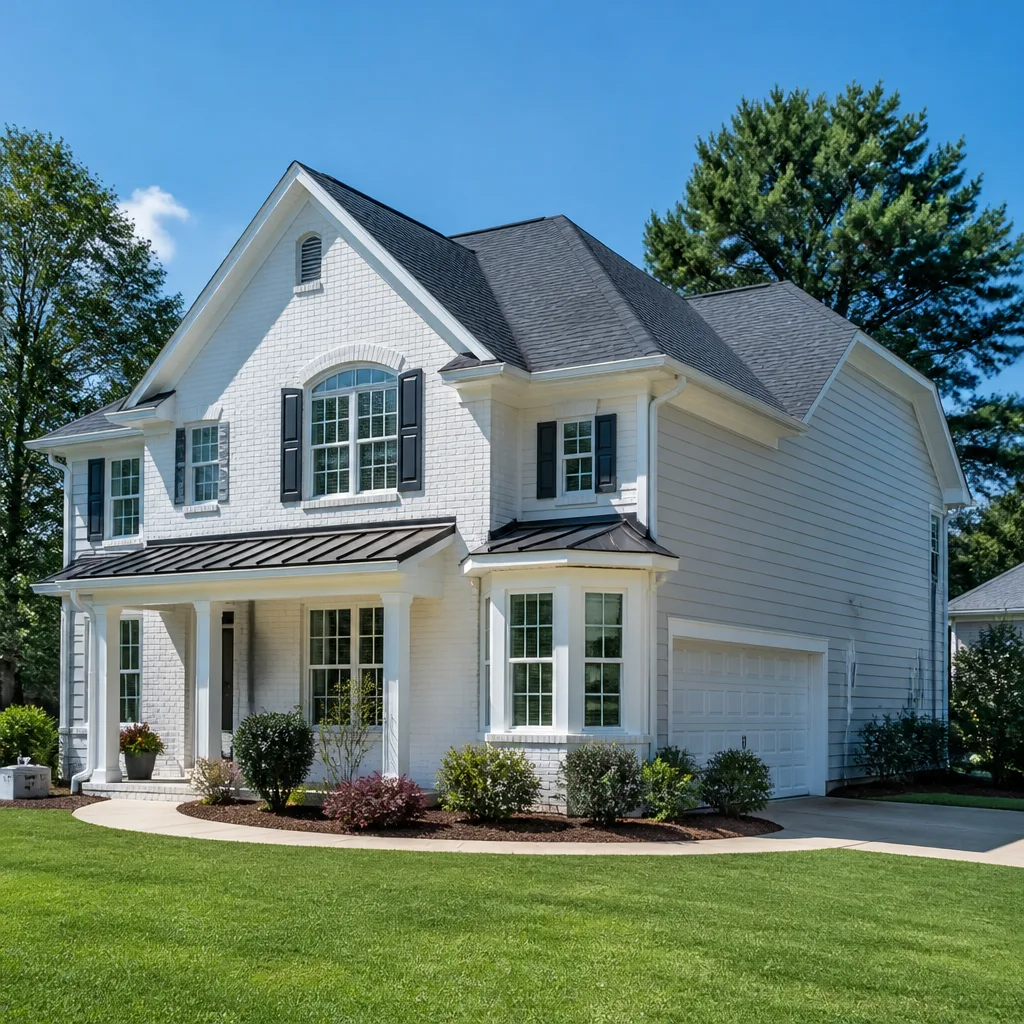 Storm response
 Sewage cleanup
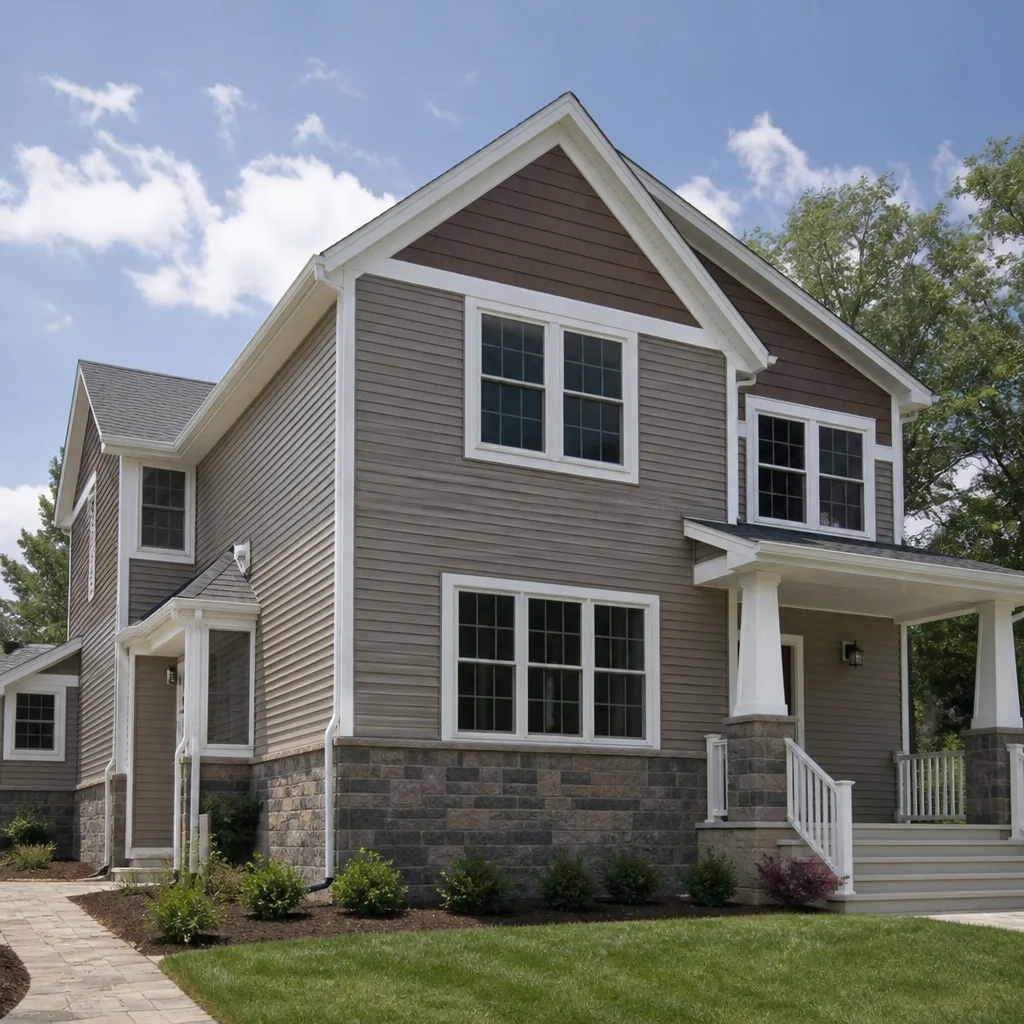 Reconstruction
Free visual inspection and a written scope of work before any mitigation begins - photos, moisture readings, and drying logs go in your claim file
The scope we write is the scope we bill. Anything new gets shown to you, in writing, before we touch it.
Get your free estimateFast, Reliable Water Damage Restoration Across San Bernardino
Water damage restoration in San Bernardino typically runs between $1,800 and $6,500 depending on the extent of the intrusion and how long the water has been moving through the structure. Most calls we take in the city involve either a burst supply line in a 1950s tract home or monsoon runoff finding its way under stucco into a pier-and-beam crawlspace. Our Water Damage Restoration team runs IICRC-certified processes with commercial-grade drying systems, and we reach most San Bernardino addresses within the hour. If water is moving through your walls or floors right now, call (833) 589-5317 and we’ll start extraction while you’re still on the phone.
San Bernardino’s older housing stock hides moisture in ways that newer developments don’t. Galvanized supply lines from the 1940s and 1950s corrode from the inside out, and when one finally lets go, the water follows the path of least resistance straight through lath-and-plaster walls and into hardwood flooring. We know exactly where to look in these homes because we’ve opened enough of them. Call (833) 589-5317 for an assessment that maps the actual moisture path, not just the visible wet spot.
Why Dry Line Water Damage Is San Bernardino’s Preferred Water Damage Restoration Company
Homeowners and property managers in San Bernardino call us because we show up with the same equipment large-loss insurance restoration contractors use, not rental-store dehumidifiers that take two weeks to reach the same dryness standard. Our relationship with this city is built on documented outcomes: daily moisture logs, photo evidence for adjusters, and a final reading that proves the framing hit pre-loss moisture content before we pack up. That’s the difference between “looks dry” and documented dry.
Glen Pacheco built Dry Line Water Damage around a simple accountability structure: one crew handles the full scope from extraction through structural drying, and the same technician who opens the job is the one who records the final moisture readings. That continuity matters in San Bernardino because so many homes here sit on pier-and-beam foundations where subfloor moisture is invisible from above. You don’t have to trust a visual inspection. You get the numbers.
We also understand the dispatch reality of this city. San Bernardino’s street grid in 92411 and 92412 has tight alley-load entries and older multifamily buildings where parking a drying setup is harder than running one. Our techs know which streets force us to carry equipment a block, and we plan for that on the front end instead of letting it become an excuse for a slower response.
Restoration work we handle
Water Damage Repair in San Bernardino
Water damage repair in San Bernardino means restoring the materials and surfaces that water has already compromised: drywall replacement, subfloor repair, trim and baseboard restoration, and the finish work that gets a home back to pre-loss condition. In this city, repair scope is often larger than homeowners expect because original stucco exteriors over wood frame don’t show interior damage until a moisture meter reads elevated levels behind the surface.
Typical water damage repair in San Bernardino runs $1,800 to $6,500, with pier-and-beam homes on the lower end when the crawlspace is accessible and multi-story townhomes on the higher end when containment and material replacement span multiple levels. The cost driver in this market is almost always how far water migrated through original 1940s-1960s construction before extraction started.
Post-Intrusion Material Replacement
After extraction and structural drying reach documented dryness standards, we scope exactly what gets replaced and what can be saved. In older San Bernardino homes, we’ve salvaged original hardwood floors that other crews would have torn out, but only because Injectidry drying panels pulled moisture from below the boards without ripping them up first. Less demolition means less rebuild cost and a faster return to normal.
Stucco and Exterior Intrusion Repair
Wind-driven rain from Santa Ana events finds every hairline crack in 60-year-old stucco. When water gets behind stucco, it travels down the interior wall cavity and pools at the sill plate, which means the repair scope starts at the exterior and works inward. We coordinate both sides of that repair so moisture doesn’t get sealed inside a freshly patched wall.
Water Mitigation in San Bernardino
Water mitigation in San Bernardino is the emergency phase: stopping active water flow, extracting standing water, setting up containment, and beginning structural drying before materials become unsalvageable. In this market, mitigation typically runs $1,200 to $3,800 as a standalone scope, though it’s often the first line item inside a broader restoration claim when monsoon runoff or a slab leak is involved.
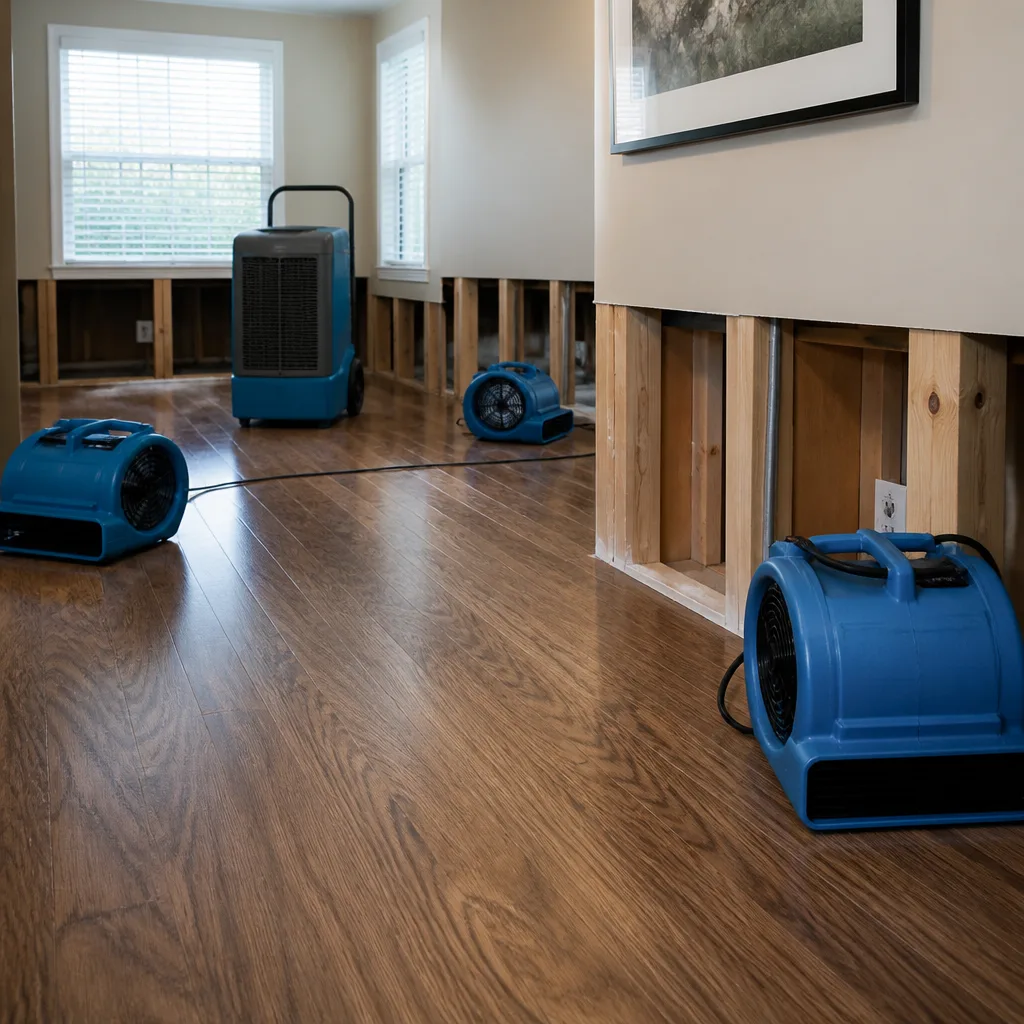
Mitigation in San Bernardino often means working in tight downtown alleys and townhome entries where full-size drying trailers won’t fit. Our crews run XPOWER air movers and smaller-footprint Dri-Eaz dehumidifiers that move serious air volume without taking over a driveway for a week. The goal is always the same: get the structure to documented dry measurements before mold establishes, which in our climate takes 24 to 48 hours in a closed crawlspace.
Containment and Airflow in Tight Entries
San Bernardino townhomes and older multifamily buildings force a different drying strategy than single-family tract homes with a wide driveway. We build negative-air containment in hallways and stairwells, stage equipment rooms instead of spreading it out, and run drying manifolds that concentrate airflow where the moisture actually sits. That’s how structural drying gets done without blocking your neighbor’s stairwell for a week.
Moisture Mapping Before Tear-Out
Every mitigation job in San Bernardino starts with a moisture map: thermal imaging and penetrating meters that show us where water actually traveled, not just where it’s visible. In pier-and-beam homes around 92401 and 92404, that map often reveals category 2 water from muddy runoff that’s been hiding under subfloor insulation. We find it before it finds mold.

Trusted Brands We Service in San Bernardino
We stock parts and components for the major water heater brands common in San Bernardino homes, and we service residential equipment from the supply lines up through the appliance itself. Because our techs service this city’s aging galvanized plumbing and original fixtures, we keep common replacement fittings on our trucks to reduce second trips for parts. That matters when a 1950s supply valve on Marshall Boulevard isn’t a Depot-match anymore and your water is still running.
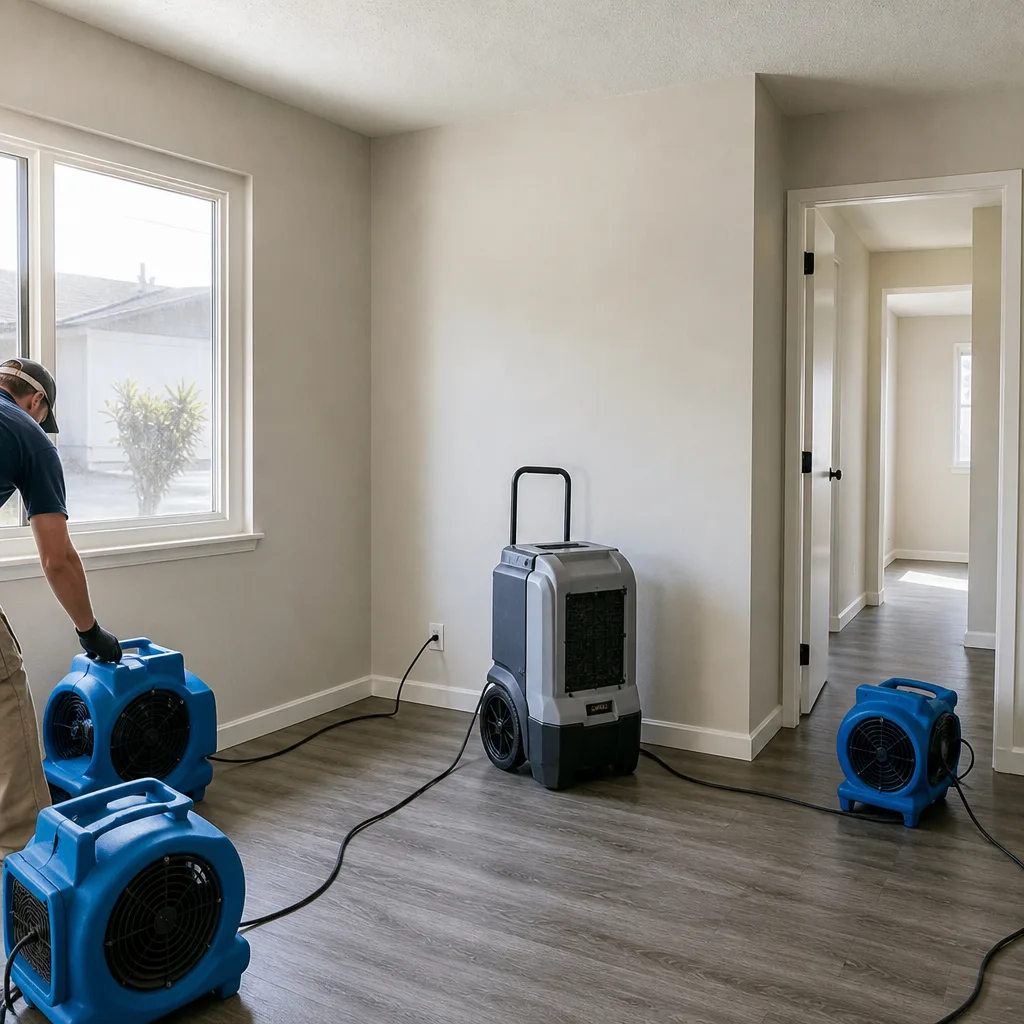
We also service dryout equipment we deploy ourselves. When you call us for a job, the Dri-Eaz, Phoenix, and Injectidry systems stay on-site until the moisture logs hit target numbers, not until a rental period expires. We don’t pull equipment early because we have another job waiting; we schedule our own capacity around San Bernardino jobs, not the other way.
Common Water Damage Restoration Problems We See in San Bernardino Homes
- Hidden subfloor moisture in pier-and-beam homes. Original subfloor insulation in 1940s-1960s pier-and-beam construction absorbs muddy runoff and holds it against joists, turning a visible puddle problem into a hidden structural mold risk that only meters catch.
- Stucco-crack water intrusion after Santa Ana winds. Months of dry heat and wind stress opens hairline fractures in original stucco exteriors, and the next monsoon rain drives water behind the wood frame where it travels unseen to the sill plate.
- Undersized drying setups in tight downtown alleys. When parking constraints force a crew to bring fewer air movers, structural drying slows down and secondary damage spreads. We stage equipment in phases instead of compromising airflow in 92410 and 92411 addresses.
- Galvanized supply-line failures in mid-century tract homes. Original steel plumbing from the 1950s is at the end of its service life across San Bernardino’s older neighborhoods, and when it fails, it fails inside walls where water runs for hours before anyone notices.
See the difference
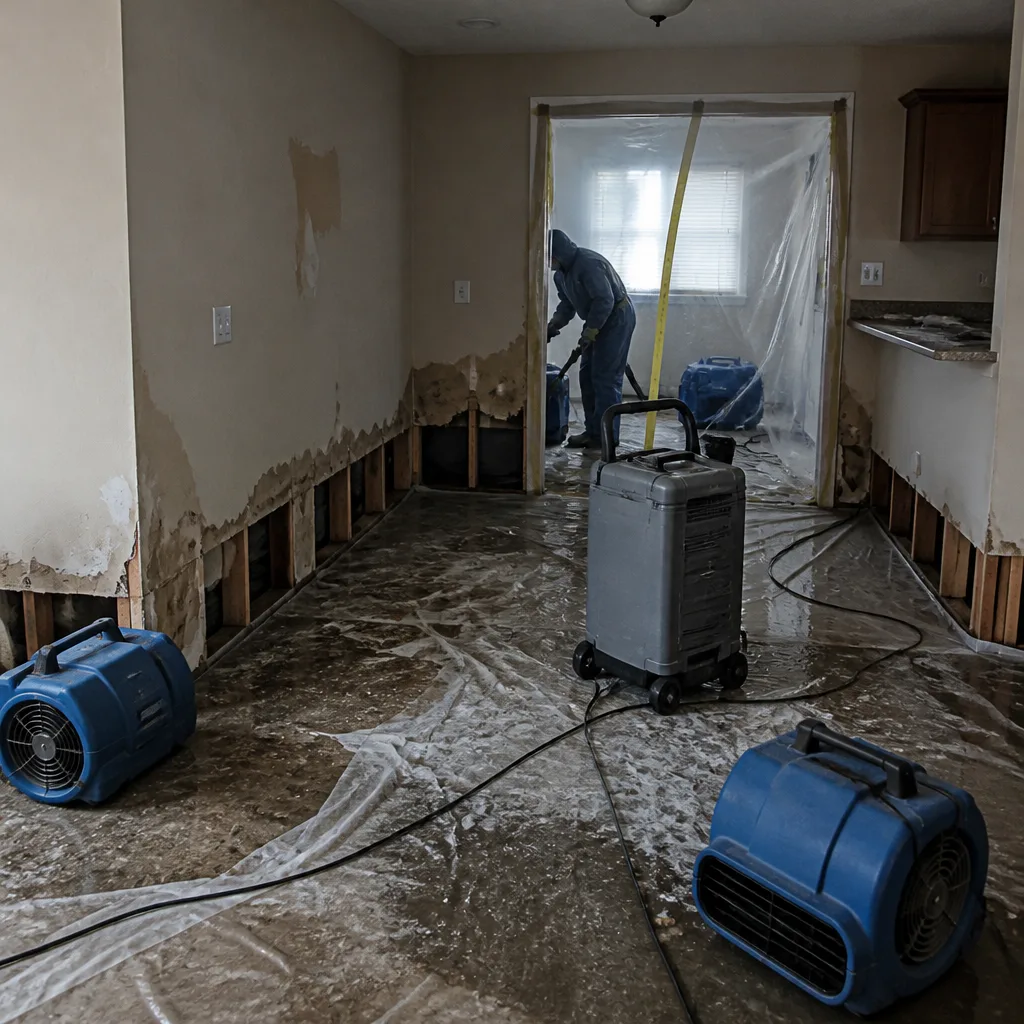 Before
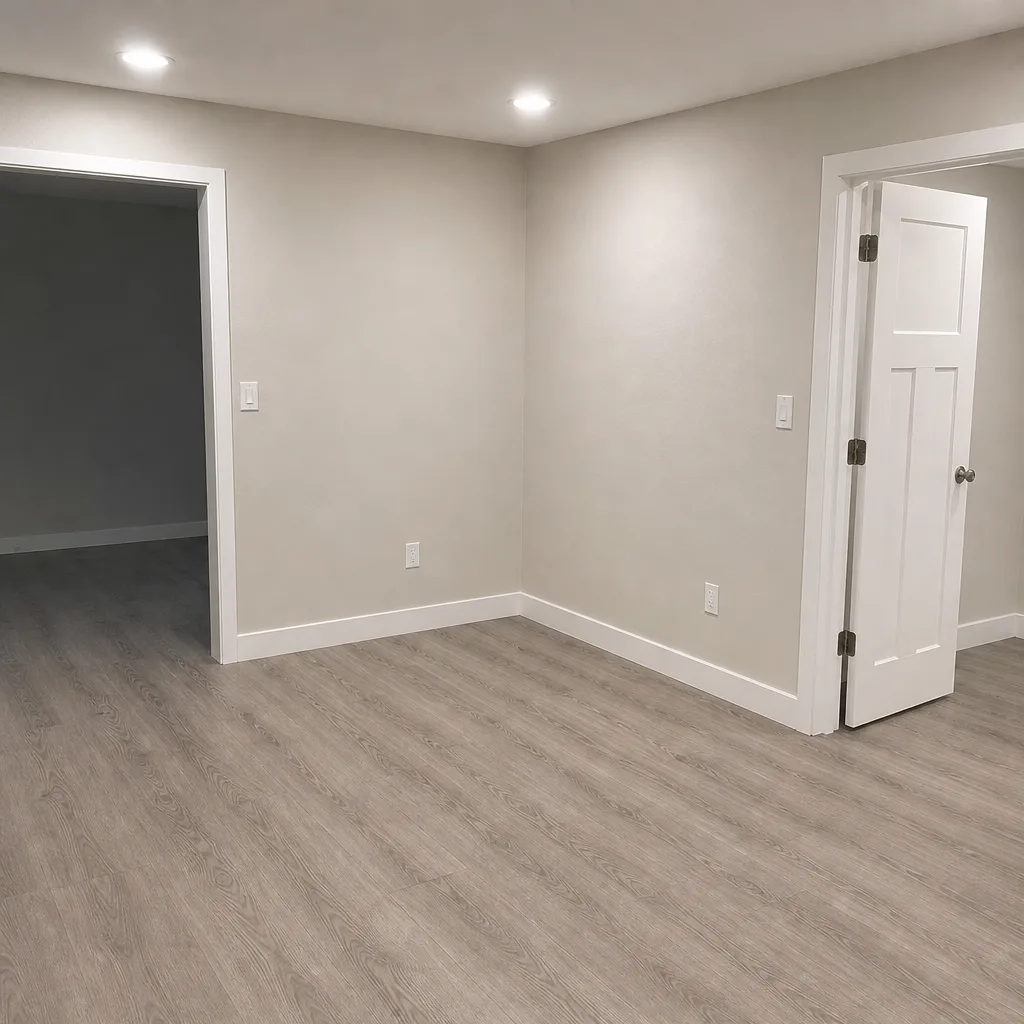 After
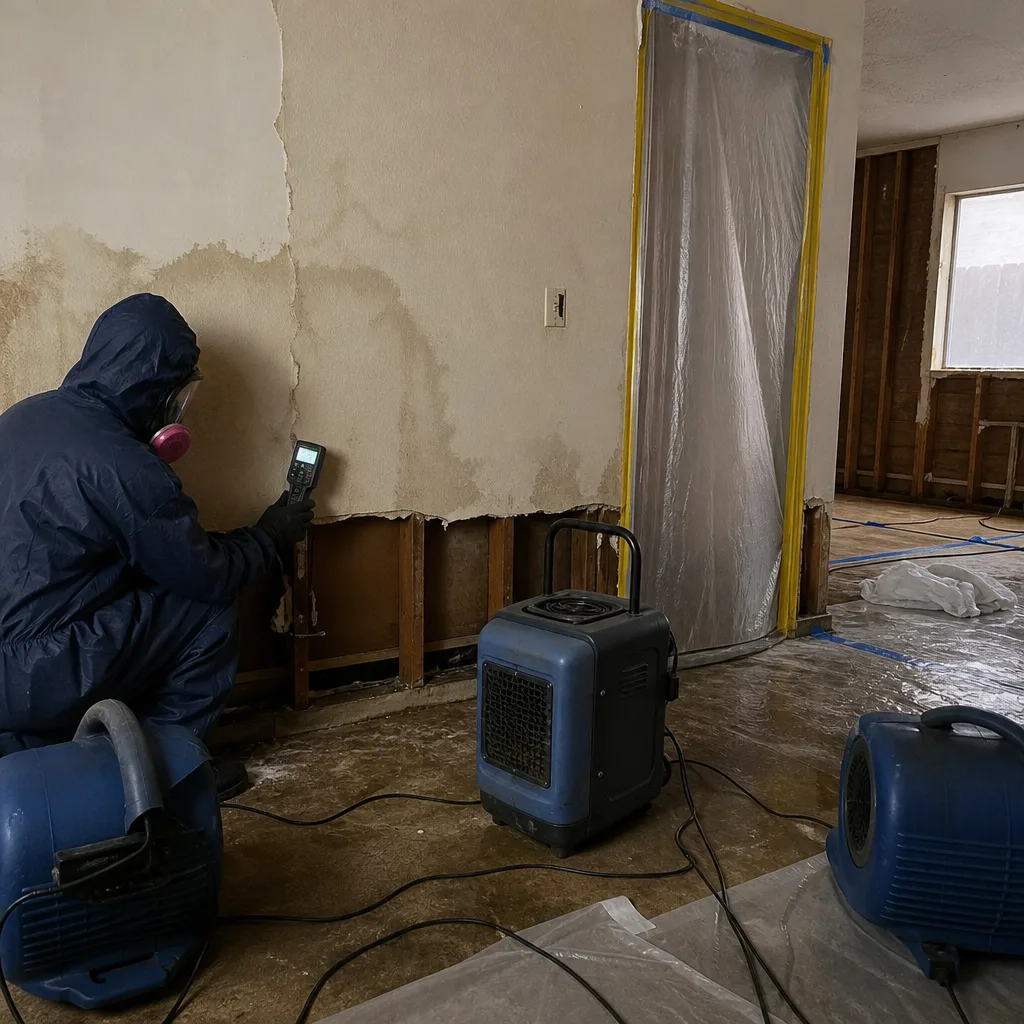 Before
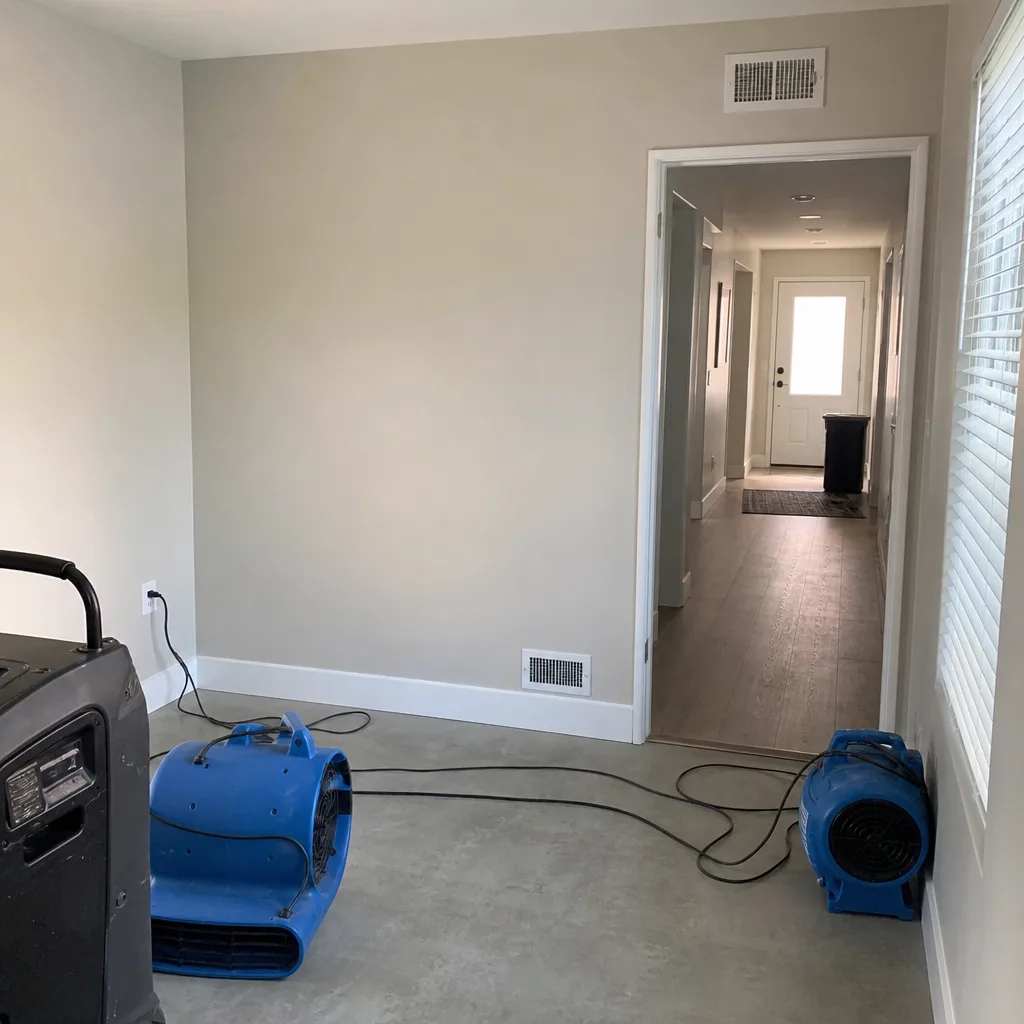 After
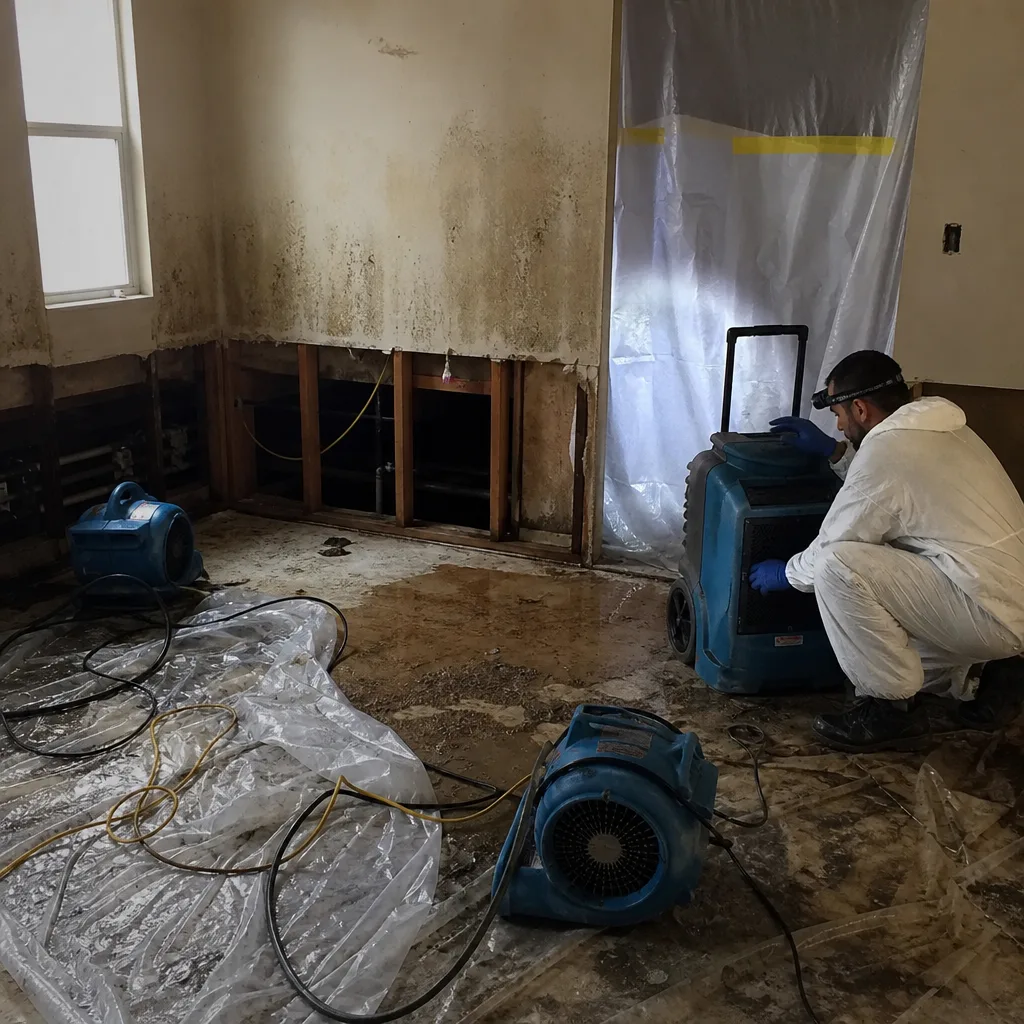 Before
 After
Pricing for Water Damage Restoration in San Bernardino, CA
Here’s what you can expect to pay in San Bernardino’s market, based on the scope categories we see most often. Emergency water extraction for a single room in a 92411 home typically runs $800 to $1,600. Full mitigation with structural drying and containment in a pier-and-beam home runs $2,500 to $4,500. Water damage repair that includes drywall replacement, subfloor repair, and finish work typically lands between $3,500 and $7,000 when combined with mitigation. Ceiling and roof leak water damage, common after Santa Ana shingle loss, runs $1,400 to $3,200 depending on how much attic insulation got soaked.
We give you a written scope before work starts, so you’re never approving charges mid-job without seeing them in writing. Estimates are free. Call (833) 589-5317 and we’ll walk the property, map the moisture, and put the numbers on paper.
We Also Serve Cities Near San Bernardino
Our crews regularly work in neighboring Muscoy, Highland, Loma Linda, and Rialto, often on the same day a San Bernardino job wraps. If you’re across the city line and dealing with water damage, call us and we’ll route a crew your way. For full details on coverage, see our Water Damage Restoration in San Bernardino page for local service specifics.
Serving San Bernardino, CA — Our Local Coverage Area
We’re based in the San Bernardino area and know this community well. Use the map below to see our service coverage — if you’re nearby, we can almost certainly help.
FAQs About Water Damage Restoration in San Bernardino
Immediately. The next rain that hits those 92407 foothill homes is usually a summer monsoon cell that drops an inch or more in under an hour, and every missing shingle becomes a direct funnel into the attic. We’ve seen homes near the base of the foothills where the prior fall’s shingle loss wasn’t fully repaired, and the monsoon water ran down the wall cavity and into the subfloor before the homeowner even noticed a ceiling stain. Get the roof covered now, and have us moisture-map the attic insulation before the next storm.
Call (833) 589-5317 to schedule a moisture assessment if your roof saw recent shingle loss.
Pier-and-beam homes flood from the bottom up. Muddy runoff flows through the crawlspace, saturates the subfloor insulation, and wicks moisture up into the floor joists and into the underside of the flooring, where it stays hidden until a meter or a musty smell reveals it. Slab homes flood from the top down, so water ponds on the surface and is visible immediately. The pier-and-beam scenario means the damage clock on mold started long before you saw any water, which is why moisture mapping and category-2 drying protocols matter so much in downtown San Bernardino’s older housing stock.
Yes. We coordinate with property managers and gate codes before we arrive, and we stage equipment in phases that work around parking constraints without cutting airflow. Our XPOWER air movers and compact Dri-Eaz dehumidifiers move enough air to dry a multi-level townhome, and we build containment in hallways and stairwells rather than spreading equipment across a lot we don’t have.
Mitigation is stopping the active damage: extraction, containment, structural drying, and antimicrobial application to prevent mold from establishing in the first 48 hours. Repair is restoring what the water already compromised: drywall, flooring, trim, and finishes. Most San Bernardino homeowners need both in sequence, and we handle both as one accountable scope so there’s no gap where a mitigation crew leaves and a repair crew picks up a week later.
We determine it by the source and the path the water took. Category 1 is clean water from a supply line or a fixture. Category 2 is “gray water” that contains some contaminants: monsoon runoff that picks up dirt and debris is category 2 the moment it enters the crawlspace. Category 3 is sewage or floodwater that carries pathogens. Most monsoon floods we see in San Bernardino are category 2 when they’re just muddy runoff, but they become category 3 if they mixed with sewer backup or sat long enough to support microbial growth. The category drives the drying protocol and the antimicrobial or sanitizing scope.
Call (833) 589-5317 for a free assessment if you’ve had any kind of water intrusion and you’re not sure what category you’re dealing with.
Call Dry Line Water Damage for Water Damage Restoration in San Bernardino
If water is moving through your San Bernardino home right now, don’t wait for it to find the subfloor. Call (833) 589-5317 and we’ll start with extraction and moisture mapping, then show you a written scope before any repair work begins. Glen Pacheco and our IICRC-certified crew have been documenting moisture readings and returning San Bernardino properties to pre-loss condition with the same professional-grade systems the big insurance restoration contractors rely on. We work across 92408, 92410, 92411, and 92412, and we’ll get a crew to you fast.
Written by Glen Pacheco, Owner at Dry Line Water Damage, serving San Bernardino and the surrounding communities.