 Water damage drying
 Fire & smoke cleanup
 Mold remediation
 Storm response
 Sewage cleanup
 Reconstruction
Free visual inspection and a written scope of work before any mitigation begins - photos, moisture readings, and drying logs go in your claim file
The scope we write is the scope we bill. Anything new gets shown to you, in writing, before we touch it.
Get your free estimateRestoration work we handle
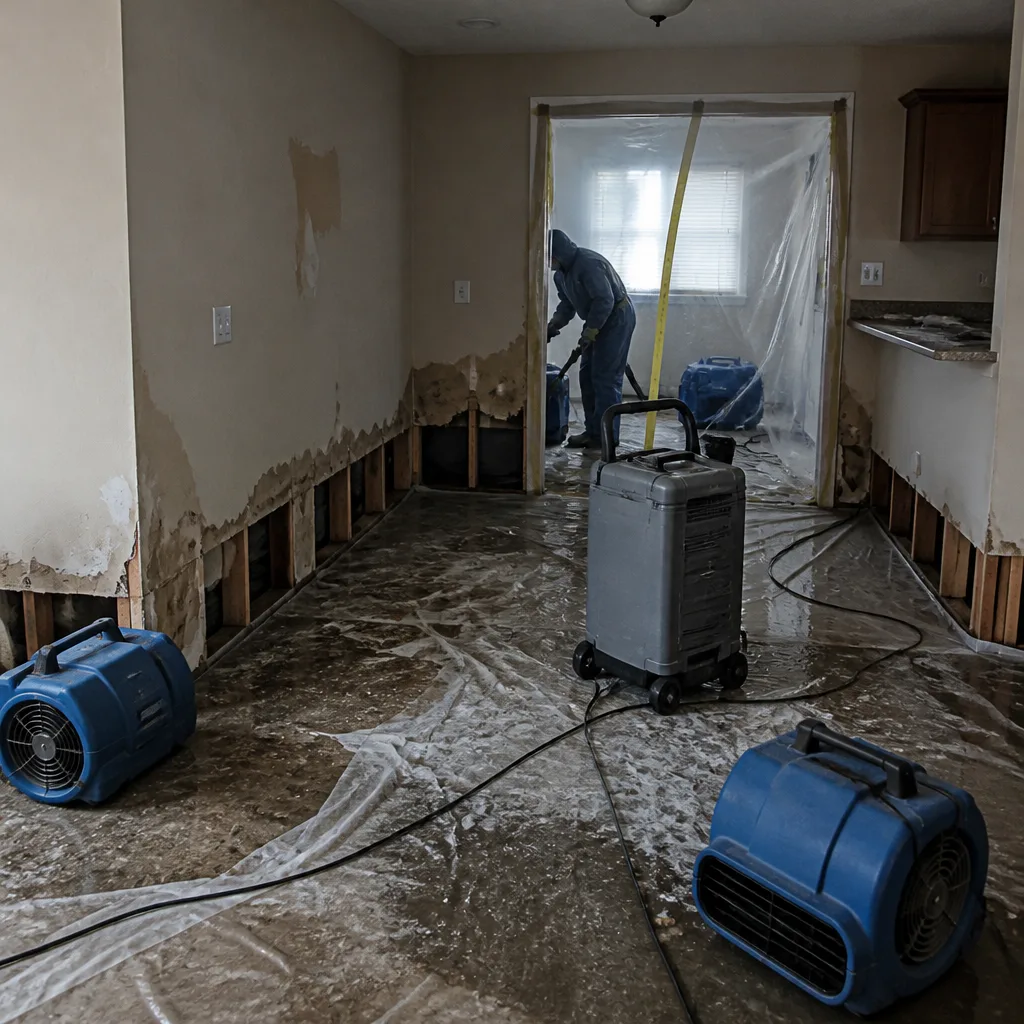
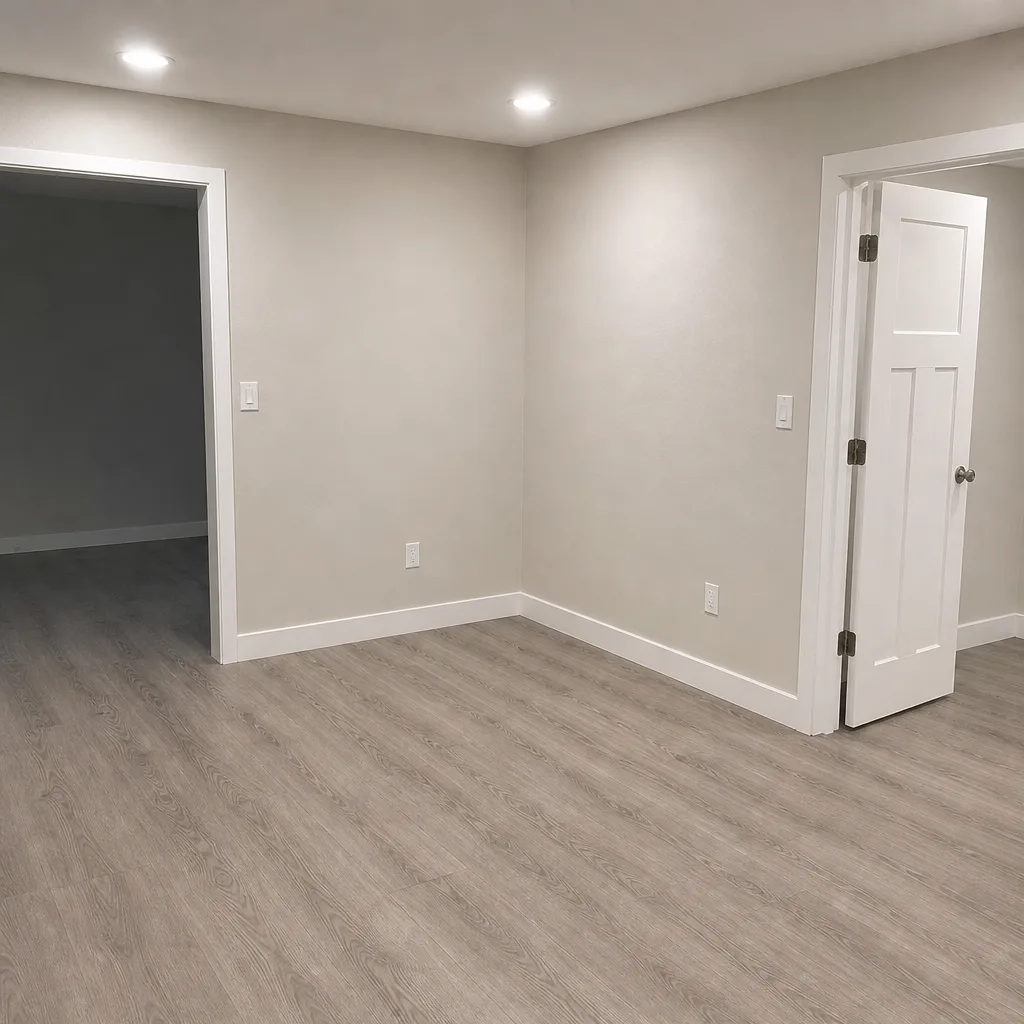
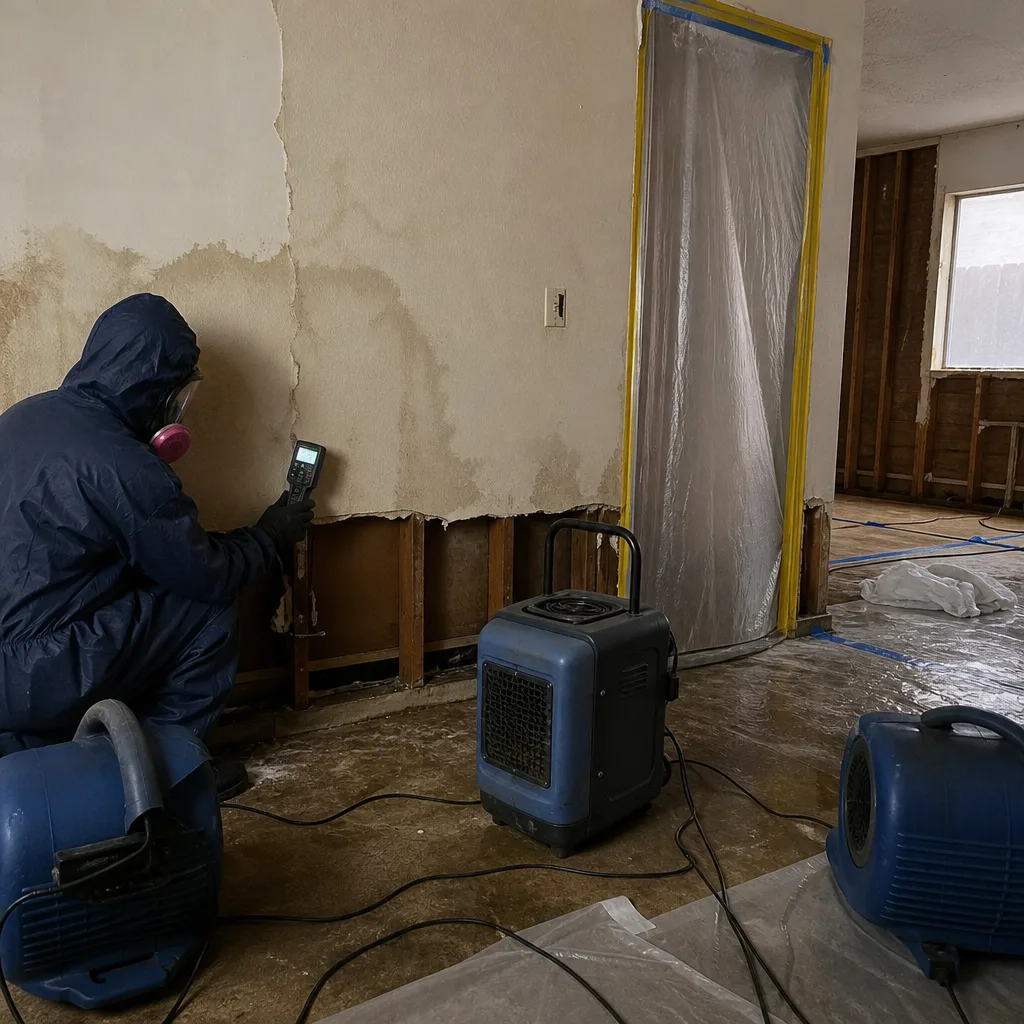
See the difference
 Before
 After
 Before
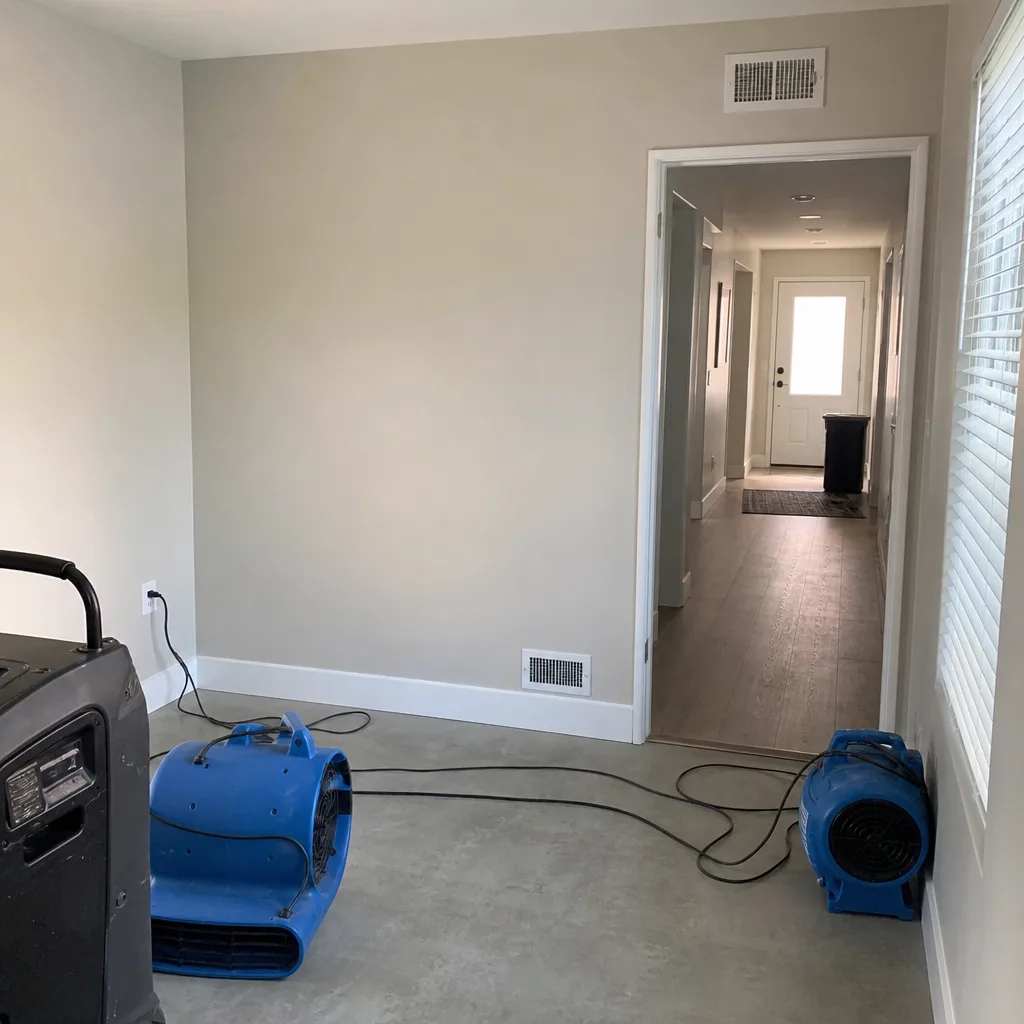 After
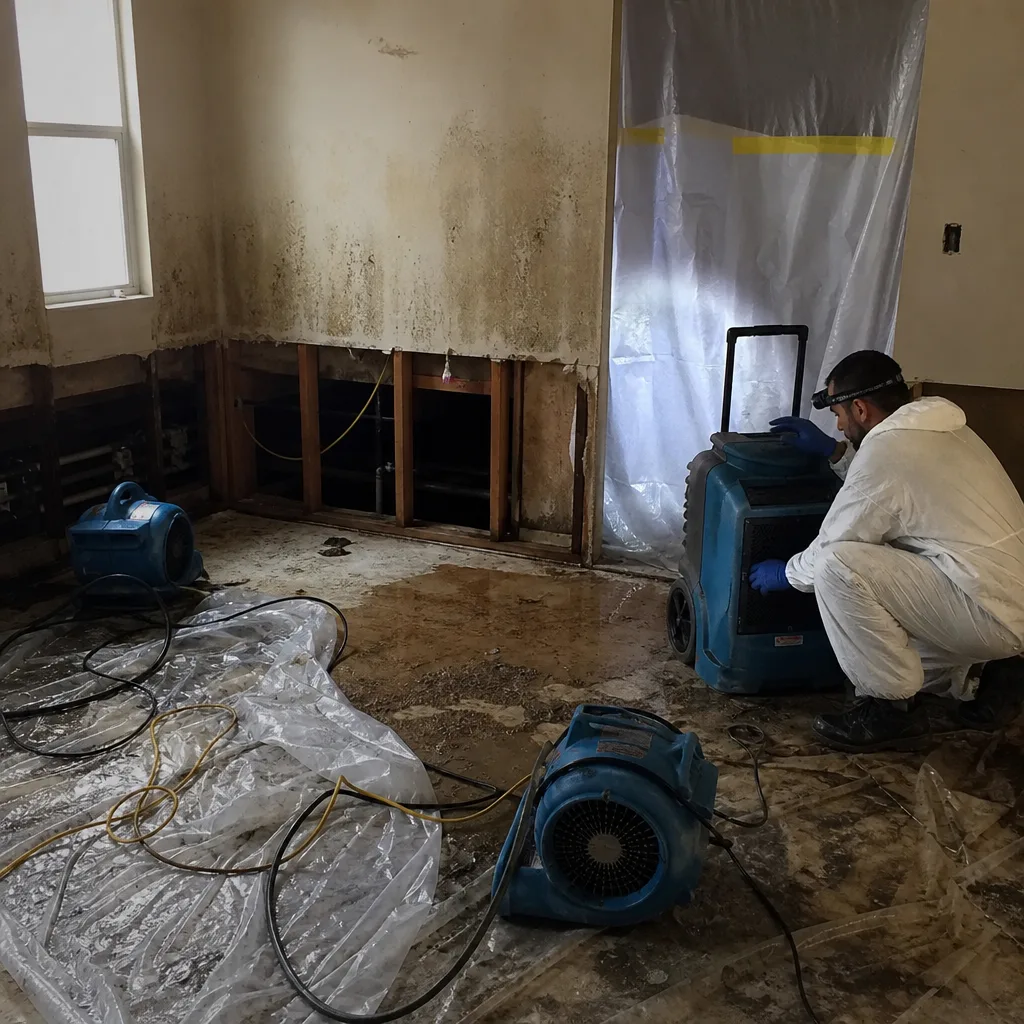 Before
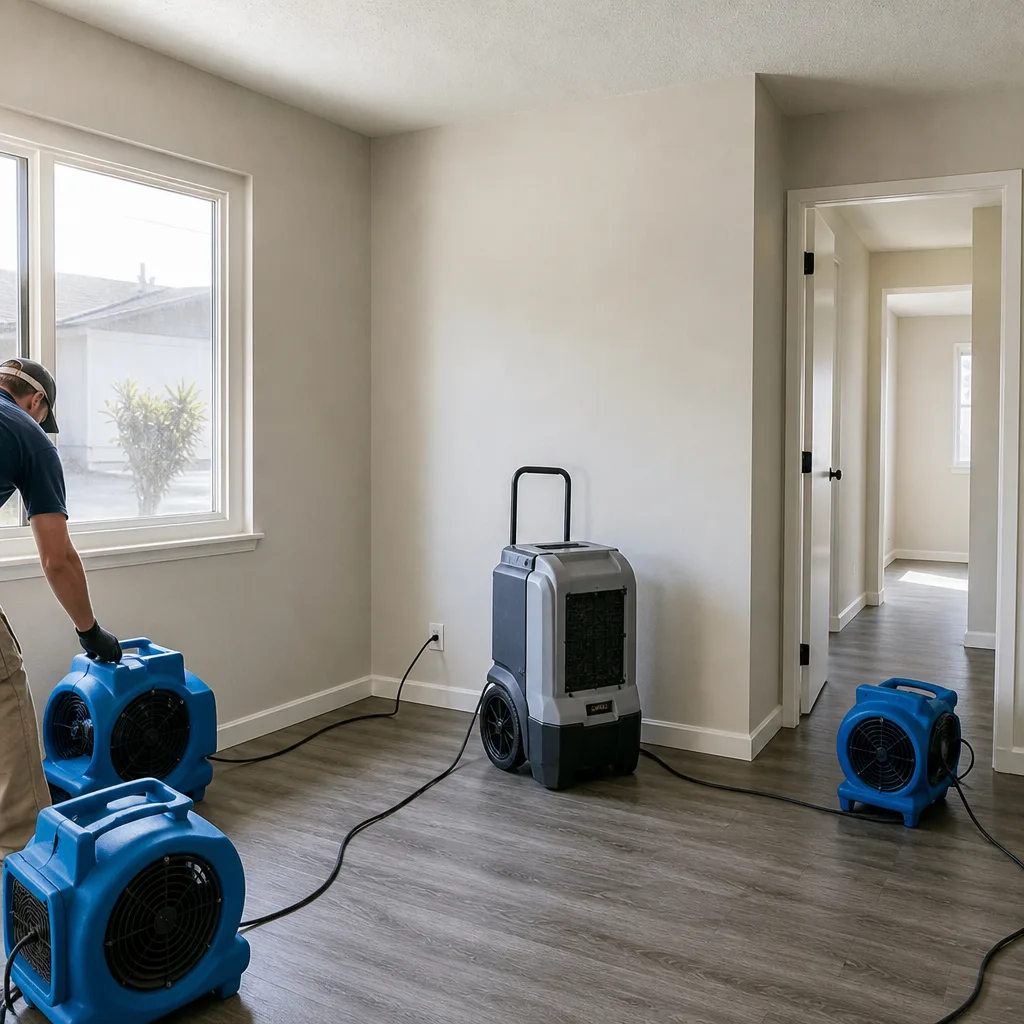 After
How Much Does Fire & Smoke Damage Restoration Cost in Fontana?
Fire and smoke damage restoration in Fontana typically costs between $3,200 and $18,500 for most single-family homes, with the average claim landing near $8,400. A contained kitchen fire with light smoke odor often runs $3,000 – $6,500, while a fire that spreads into the attic or affects multiple rooms pushes well past $15,000. These figures cover cleanup, soot removal, odor neutralization, and structural drying, but not major reconstruction.
If you’re standing in a smoky house right now and need a real number, call (833) 589-5317. We offer free estimates in Fontana, and we’ll give you an honest scope before any work begins.
- Most common range: $3,200 – $18,500
- Average Fontana project: roughly $8,400
- Typical timeline: 3 days for minor smoke, 2 – 3 weeks for structural fire damage
- What’s covered: soot and char removal, odor treatment, content cleaning, structural drying, moisture documentation
Fire & Smoke Damage Restoration Cost Breakdown (2026)
Fire losses are priced by line item, and the line items differ a lot from water damage. Below is a realistic 2026 breakdown for the Fontana market. Your actual invoice depends on square footage affected, how long the smoke sat before cleanup, and what your insurance adjuster approves.
| Service | Typical Cost Range |
|---|---|
| Emergency board-up and site stabilization | $450 – $1,800 |
| Soot and char removal (per room) | $600 – $2,400 |
| Smoke odor neutralization (thermal fogging / hydroxyl) | $700 – $3,200 |
| HEPA vacuuming and surface cleaning | $400 – $1,500 |
| Structural drying after water suppression | $900 – $4,000 |
| Content pack-out, cleaning, and storage | $800 – $5,500 |
| HVAC duct and air handler cleaning | $400 – $1,200 |
| Drywall, insulation, and framing repair (minor) | $1,200 – $6,500 |
| Mold remediation triggered by suppression water | $1,400 – $6,000 |
What pushes a Fontana fire restoration bill up or down
Two things move the number most: how much structure burned and how long the smoke sat before anyone treated it. Smoke residue is acidic. In Fontana’s dry inland climate, that residue cures onto surfaces fast, and once it’s bonded to drywall or cabinetry, removal takes more labor and sometimes replacement. A fire contained to a stovetop with quick cleanup is a $3,000 – $5,000 job. A fire that reached the attic and used suppression water to knock it down often triggers a drying phase, odor treatment across the whole house, and some mold watch afterward, pushing past $15,000. Insurance carriers usually cover the drying and remediation portions under the same claim.
What Affects Fire & Smoke Damage Restoration Pricing in Fontana
Pricing isn’t arbitrary, and a good estimator can tell you within a few hundred dollars what the job will run once they’ve walked the property. Here are the factors that matter most in Fontana specifically:
- Fire type and spread. A protein fire (kitchen grease) leaves a thin, almost invisible film that’s hard to detect but easy to neutralize. A fast-burning synthetic fire from furniture foam deposits thick, sticky soot that spreads through the HVAC system. The second type costs more to clean because every surface and duct becomes part of the scope.
- Age and construction of the home. Fontana has a large inventory of homes built between 1960 and 1990 with older aluminum wiring, drywall with higher paper content, and original ductwork. Older ductwork holds smoke residue longer and usually needs full cleaning or replacement.
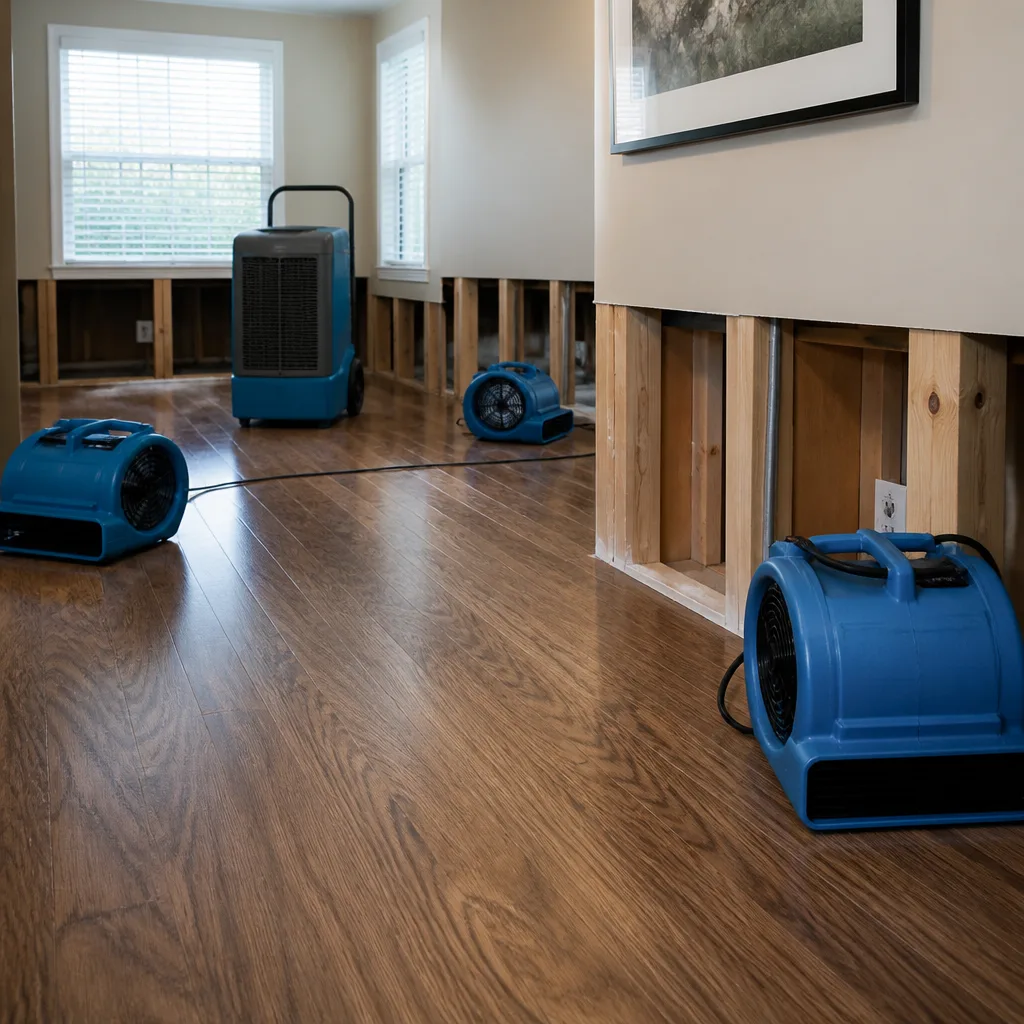
- Supplemental water damage. Every fire involves water from the fire department response. In Fontana’s hot, dry summers, that water gets absorbed quickly into wood framing and wall cavities, so we dry it right after the fire cleanup. Structural drying with commercial dehumidifiers and air movers is a real line item, and skipping it invites a mold problem weeks later.
- Odor severity and homeowner sensitivity. Smoke odor is the item that surprises people. A single thermal fogging pass handles most homes. Homes where smoke has penetrated upholstery, mattresses, and wood furniture need a deeper content pack-out and hydroxyl treatment, which runs higher.
- Access and debris volume. A single-story Fontana ranch home with clear access and a driveway is simpler to work than a property behind a gate or in a dense multifamily building. Debris removal (charred material, ruined drywall, burned contents) is priced by volume hauled and dumped.
- Insurance adjuster scope. The carrier’s approved scope sets the ceiling for most jobs. A well-documented line-item estimate (photos, moisture readings, square footage) gets approved faster and with fewer revisions than a lump-sum bid. This is where a specialist matters: adjusters speak a specific language and respond to documented evidence.
How to Save on Fire & Smoke Damage Restoration
You can’t negotiate with a house fire, but you can control the cost side in a few practical ways.
- Get a documented estimate before signing anything. Free estimates are standard in Fontana. If someone asks you to sign a contract on the spot before they’ve walked the property, that’s a red flag.
- Call early, not later. Smoke that’s been sitting for a week costs more to treat than smoke treated within 48 hours. Every day smoke bonds harder to surfaces and moves further into ductwork and textiles.
- Ask what your insurance actually covers. Most homeowner policies in Fontana cover fire, smoke, and suppression water damage. Your deductible is your out-of-pocket minimum. If the damage is smaller than your deductible, ask about the cash-price version of the scope.
- Don’t toss contents until a specialist has looked. Clothing, photos, and small furniture can often be cleaned and deodorized at a fraction of replacement cost. We evaluate what’s salvageable before recommending replacement.
- Handle the documentable moisture issue in one pass. Struggling homeowners sometimes dry the space themselves and call us for a mold problem months later. Addressing drying and cleanup in the same visit, with documented moisture readings on paper, is cheaper than two separate invoices. If you’re not sure what’s salvageable and what isn’t, a free walkthrough is the honest starting point. Call (833) 589-5317 for that.
What Does the Restoration Process Actually Involve After a Fire?
A fire restoration job runs through a sequence, and understanding it helps you judge any estimate you receive. First is stabilization: boarding windows, covering the roof, and securing the property. Then debris removal of charred material and ruined contents. Next is soot and smoke cleaning room by room, followed by odor neutralization using fogging or hydroxyl equipment that reaches into cavities. If suppression water is present, structural drying with commercial dehumidifiers and air movers comes in before or alongside the cleaning. Last is repair and reconstruction. Dry Line Water Damage handles the cleanup, odor, drying, and remediation phases and documents every step for your adjuster.
The reason the equipment matters: we use Dri-Eaz and Phoenix dehumidifiers and air movers, the same commercial units large-loss contractors use, along with Injectidry systems for drying behind walls and inside floor cavities without unnecessary demolition. A consumer rental unit pulls moisture off the air, not out of the framing. That difference shows up in the invoice when something has to be torn out and replaced.
Does Every Fire Require Professional Restoration, or Can You DIY It?
Small stovetop and candle fires that leave light surface smoke can sometimes be handled with thorough cleaning and ventilation. But the moment walls, cabinets, insulation, or ductwork are involved, DIY cleanup misses things a trained eye catches. The two most common DIY regrets we see are (1) an HVAC system that keeps pumping smoke odor through the house because the ducts were never cleaned, and (2) drywall that looked fine but had suppression water behind it that developed into a mold problem within a few months. If your fire department sprayed water, get the cavity moisture checked. That’s not a scare tactic, it’s just physics.
FAQs About Fire & Smoke Damage Restoration Cost
How much does fire and smoke damage restoration cost in Fontana?
Most Fontana fire restoration projects run $3,200 – $18,500, with an average near $8,400. A contained kitchen or stovetop fire with light smoke is usually at the low end; a fire that reached the attic or multiple rooms sits at the top. Call (833) 589-5317 for a free estimate specific to your home.
Does homeowners insurance cover fire and smoke damage restoration?
Yes, in almost all cases. Standard homeowners policies cover fire damage, smoke damage, and the water used to put the fire out. Your deductible is your minimum out-of-pocket. We provide a documented, line-item estimate that adjusts well with carriers, so the scope gets approved without back-and-forth. Call (833) 589-5317 and we’ll walk you through the claim on the phone.
How long does fire and smoke restoration take?
Light smoke cleanup with odor treatment takes 2 – 4 days. Moderate fires involving structure and content pack-out run 1 – 2 weeks. Structural fire damage with reconstruction can take 3 – 8 weeks depending on permit timelines with the City of Fontana and material availability. We give you a written timeline at the estimate stage so you know what to expect.
Can smoke damage cause health problems if it isn’t cleaned properly?
Yes. Soot and char residue contain fine particulates that settle into upholstery, carpets, and ductwork. Long-term exposure can aggravate respiratory conditions, and it’s the reason we neutralize odor at the particle level, not just spray air freshener. If you have family members with asthma or young children, get the property professionally cleaned. Call (833) 589-5317 and we’ll test the air quality before we quote.
Is it cheaper to repair or replace after a fire?
It depends on what was damaged. Contents like clothing, small furniture, and some electronics are often cheaper to clean and deodorize than replace. Burned structural materials (drywall, framing, cabinetry) generally have to be replaced. We recommend replacement only when cleaning would leave residual smoke damage that a new occupant would notice. Our estimators price both options and let you decide. Call (833) 589-5317 for a comparison.
Do you offer same-day service in Fontana?
We prioritize active losses. For a recent fire where the property is unsecured or smoke odor is actively affecting the home, call (833) 589-5317 and we’ll schedule an assessment as soon as possible. Estimates are free.
Why Fontana Homeowners Call Dry Line Water Damage
We’re an IICRC-certified restoration operation, which means our process is measured against the industry’s most rigorous external training and methodology standard rather than a self-issued credential. We’re also a member of the Restoration Industry Association (RIA), bound by its published code of ethics, and IFA-affiliated. Alongside fire damage, we handle water damage and mold remediation, so a fire claim with suppression water or a mold follow-on doesn’t mean a second vendor and a second set of explanations. One crew handles the full scope, and we document it for your adjuster with moisture readings, photos, and line-item detail. Our equipment is Dri-Eaz, Phoenix, XPOWER, and B-Air dehumidifiers and air movers, plus Injectidry systems for drying inside wall cavities with minimal demolition. That’s the same toolset large-loss commercial contractors use.
Being IICRC-certified isn’t a marketing badge, it’s the difference between a crew that pulls out a moisture meter after cleanup and one that just tells you the house is dry. We don’t claim guarantees or warranties beyond what the work itself shows. We give you documented evidence, and you and your adjuster decide.
If your fire damage is more than a small surface cleanup, our Fire & Smoke Damage Restoration in Fontana page has the full process details and what we handle on a typical loss.
What You Should Do Right Now
- Secure the property if it’s unoccupied and unsecured. Board up any windows or doors the fire department opened.
- Call your homeowner’s insurance carrier and open a claim, then call us with the claim number ready.
- Avoid turning on HVAC or ceiling fans. They’ll circulate soot if ducts are contaminated.
- Don’t touch soot-covered surfaces with bare hands. Soot spreads easily and can stain permanently.
- Don’t attempt to clean electrical equipment or appliances that were near the fire until a technician has inspected them.
Staying out of the damaged areas until cleanup is a safety decision, not a comfort one. Fire leaves hazards that aren’t always visible: compromised framing, exposed wiring, gas connections that may not have been fully shut off, and roof sections that the fire or the department opened. That’s why we handle the assessment, cleanup, and drying with the right equipment and the right sequence, and why you shouldn’t be moving through a damaged structure on your own.
Call (833) 589-5317 for a free estimate. We’ll review your situation, give you a straight range, and tell you what the process looks like from here. No pressure, no upsell, just a documented scope you can take to your insurer.
Written by the team at Dry Line Water Damage, IICRC-certified restoration specialists serving Fontana and the surrounding Inland Empire. Pricing reflects the Fontana market as of 2026. Dry Line Water Damage offers free estimates – call (833) 589-5317.
What Our Customers Say
"They cut the drywall at a clean line and only as far up as was actually wet, rather than gutting the whole room."
— Michelle Yang"Took moisture readings every day and logged them, and only pulled the drying equipment when the numbers said it was actually dry rather than on a fixed schedule."
— Diego Morales"Dealt directly with the insurance adjuster and documented everything with photos and readings. Our claim went through without a single dispute."
— Eric Park