

 Water damage drying
 Fire & smoke cleanup
 Mold remediation
 Storm response
 Sewage cleanup
 Reconstruction
Free visual inspection and a written scope of work before any mitigation begins - photos, moisture readings, and drying logs go in your claim file
The scope we write is the scope we bill. Anything new gets shown to you, in writing, before we touch it.
Get your free estimateFast, Reliable Mold Remediation Across Lake Forest
Mold remediation in Lake Forest usually runs between $1,200 and $4,800 for a contained, documented job, depending on how far the moisture traveled. If you’re seeing black spotting on drywall, smelling something musty that won’t clear, or you just had a water heater fail in a hallway closet, the clock matters. Our crew knows the 92630 housing stock well enough to tell you what’s likely behind that wall before we cut into it. Call (833) 589-5317 and we’ll walk you through what we’d do at your place.
Why Dry Line Water Damage Is Lake Forest’s Preferred Mold Remediation Company
Glen Pacheco built Dry Line Water Damage around a simple idea: restoration work should leave behind documentation, not doubts. We’re IICRC-certified, which matters more in a city like Lake Forest than most homeowners realize. The IICRC standard requires moisture mapping, containment, and post-remediation verification, not a quick spray-and-paint patch job. When a Lake Forest homeowner calls us after a water heater floods a carpeted hallway, they get a written scope, a drying log, and clearance readings. Not a verbal “looks good to us.”
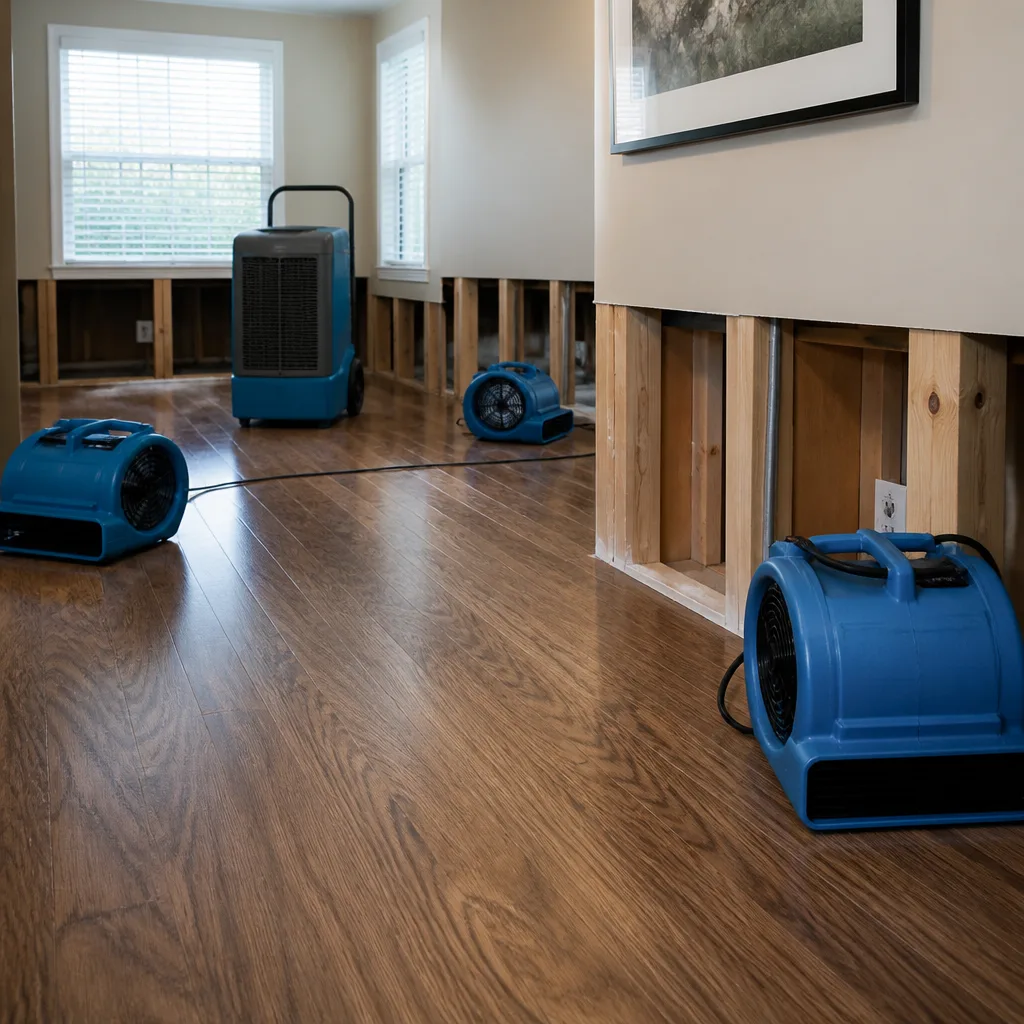
We run the same platforms a commercial restoration contractor would bring to a hotel loss: Dri-Eaz and Phoenix dehumidifiers, XPOWER air movers, and Injectidry panels that pull water from inside wall cavities without tearing out every square foot of drywall. For a 1970s tract home in Lake Forest with original drywall and cast-iron drains, that difference in demolition scope is real money. We’re also a Restoration Industry Association member, which means a published code of ethics and ongoing training, not a badge bought at a trade show.
Lake Forest homeowners consistently tell us the same thing after a mold job: they didn’t realize how much of the process was invisible. The containment, the negative air pressure, the HEPA scrubbing. We take that as a compliment. It means the work was done to the standard, not just to the naked eye.
Restoration work we handle
Mold Inspection in Lake Forest
A Mold Inspection in Lake Forest homes from our team starts with moisture mapping, not a visual once-over. We run thermal imaging and moisture meters across walls, baseboards, and slab penetrations to find reservoirs of water that never show up as visible mold. In Lake Forest’s older tracts, that mapping often reveals exactly what we’d expect: water that wicked up the back of baseboards after a closet water heater let go, or a failing cast-iron drain line that’s been seeping under the slab for months. A standalone visual mold inspection in Lake Forest typically costs $250 to $500. When you combine it with remediation, the inspection cost is usually absorbed into the project.
When do you need one? Three situations account for most of our Lake Forest inspection calls. After a water loss that touched drywall or carpet in an older home. After a Santa Ana wind event that drove rain under lifted roof tiles or through stucco cracks. And when you’re buying or selling a home in the 92630 ZIP and the disclosure process raises a moisture red flag. In all three cases, the inspection answer isn’t “yes there’s mold” or “no there isn’t.” It’s a map of where moisture is and where mold is likely to establish.
What the Inspection Report Shows
You get moisture readings by room, thermal scan anomalies, and a written summary of what we found and what we didn’t find. That last part sounds obvious, but it’s the difference between a real inspection and a sales call. We document the absent mold too.
When an Inspection Becomes a Remediation Scope
If moisture readings are elevated behind a baseboard or in a wall cavity, the inspection report becomes the remediation plan. Containment zones, drying targets, and the order of work. No surprises. You see the same document the crew uses.
Mold Removal Specialist in Lake Forest
A Mold Removal Specialist from our crew in Lake Forest does something a handyman with a HEPA vacuum can’t: we contain the affected area, establish negative air pressure, and remove or dry the material to a documented standard. Most Lake Forest mold removal jobs run $1,500 to $4,500 for a contained removal with drying and antimicrobial application. The exact figure depends on square footage, how much drywall has to come out, and whether the moisture source is still active. The first conversation we have with a Lake Forest homeowner is usually about the moisture source, because removing mold without stopping the water that feeds it is repainting a roof leak.
Our Injectidry systems matter more on this side of the work than most people would guess. When mold is feeding on moisture inside a wall cavity, the fastest fix is often to cut out both sides of the wall. Injectidry panels let us dry the cavity in place in many cases, which means less demolition, less dust, and a smaller reconstruction bill. For a Lake Forest home with original 1970s drywall, that’s not a small consideration.
Containment and Air Scrubbers
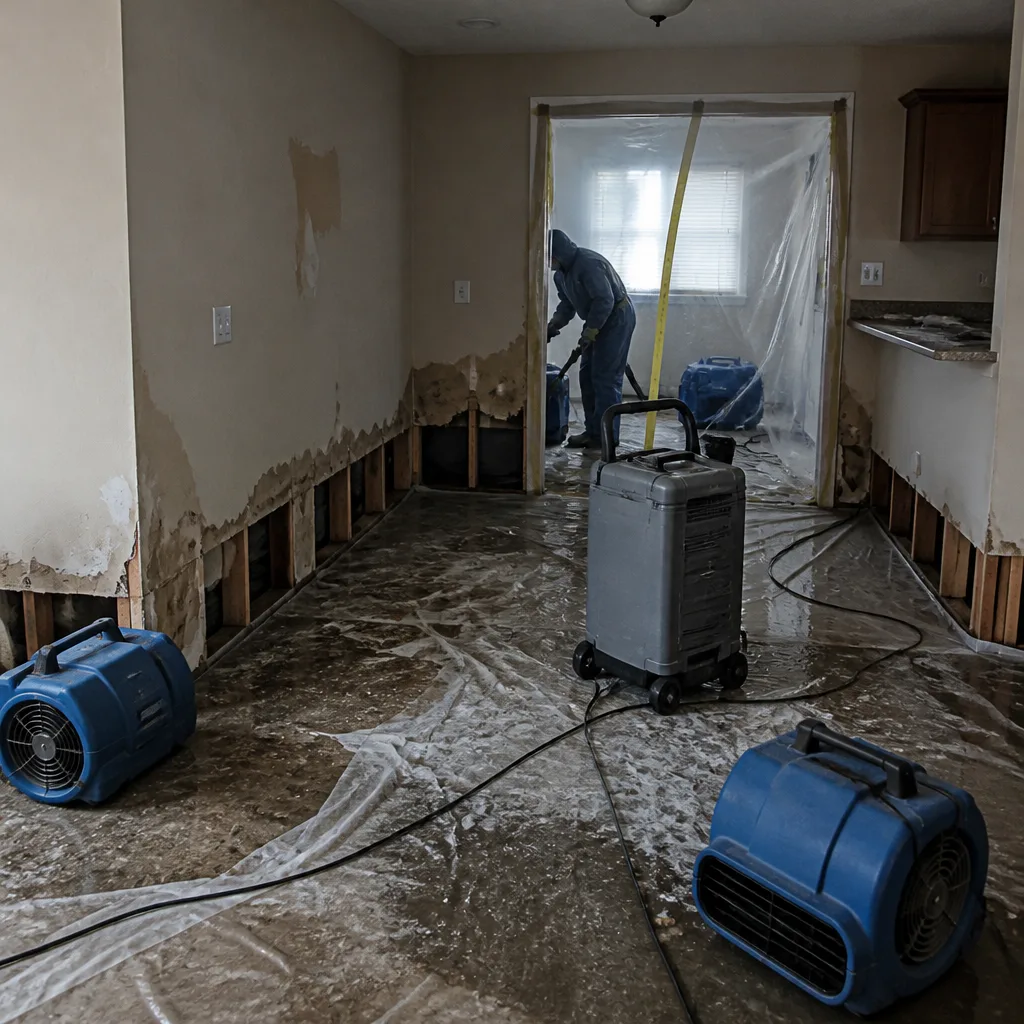
We set up containment with 6-mil polyethylene and run HEPA-filtered negative air machines during removal. Spores don’t get to float through your kitchen while we work. The containment stays up until clearance readings confirm the air is clean.

Post-Remediation Verification
After removal and drying, we run final moisture and air sampling. You get the numbers. Not a verbal “all clear.” In Lake Forest’s dry summer months, that verification step is the only way to prove the job is actually done, because surface mold can look gone while the cavity behind it is still damp.
Trusted Brands We Service in Lake Forest
Our Lake Forest crews work on homes equipped with water heaters, plumbing, and HVAC systems from every major era of the city’s building history. We stock common fittings and replacement materials for original 1970s-80s plumbing configurations, which means less time waiting on a part run when a cast-iron drain line failed next to a water heater. That’s the kind of thing that only matters after you need it. But in the middle of a mold remediation project, it matters a lot.
See the difference
 Before
 After
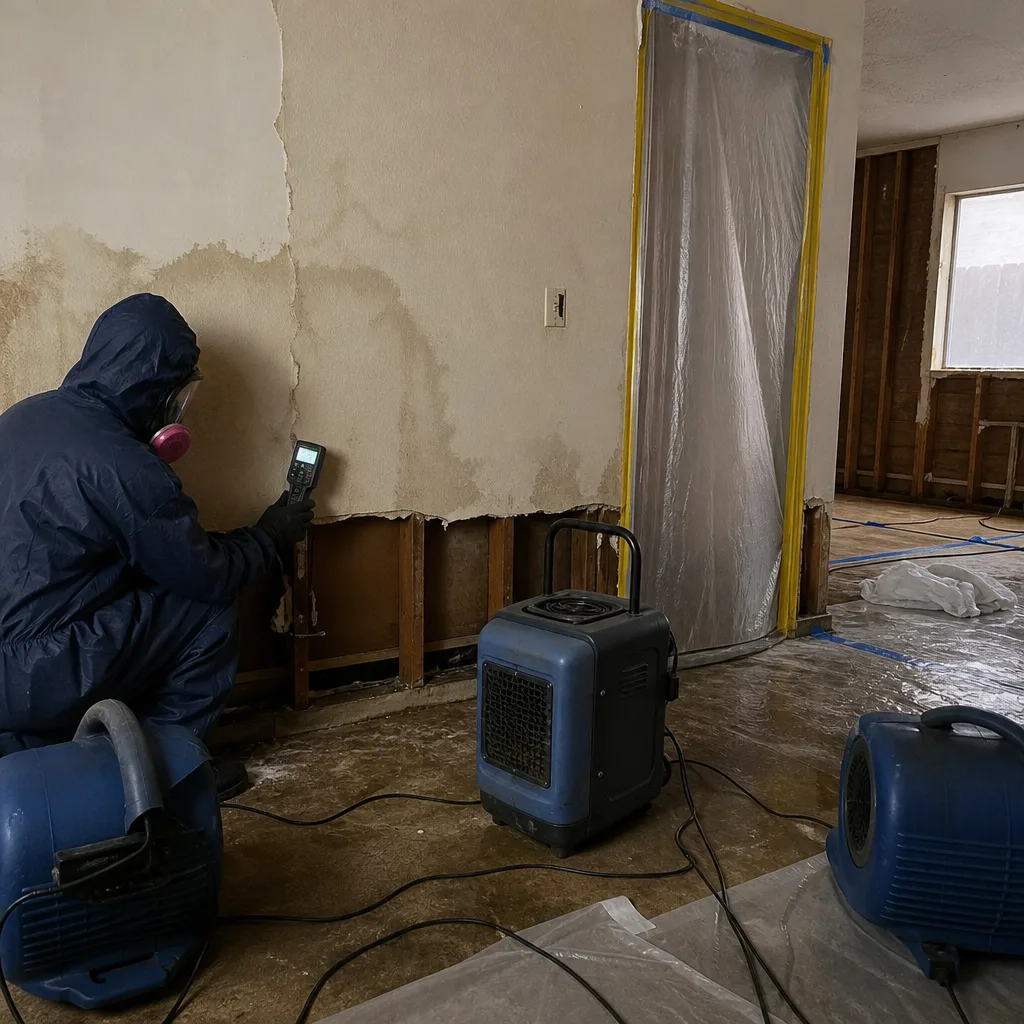 Before
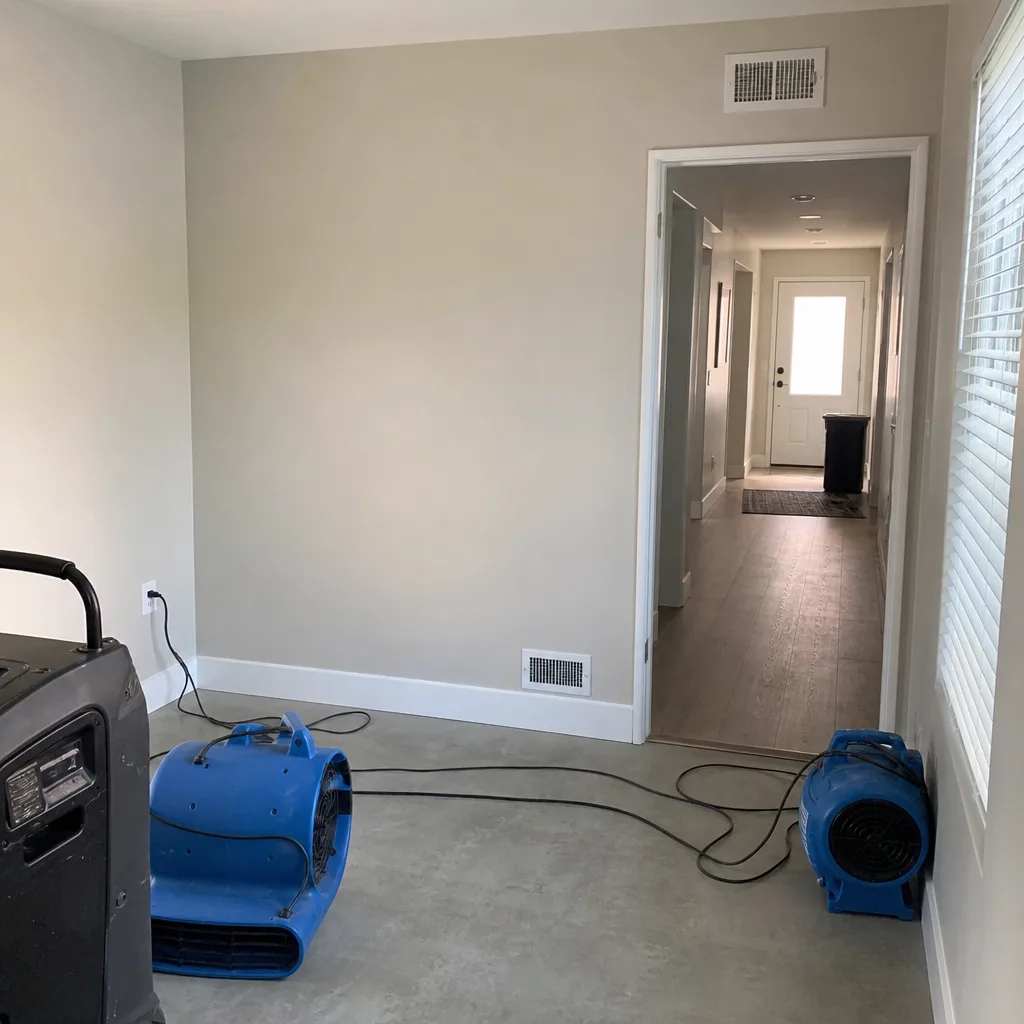 After
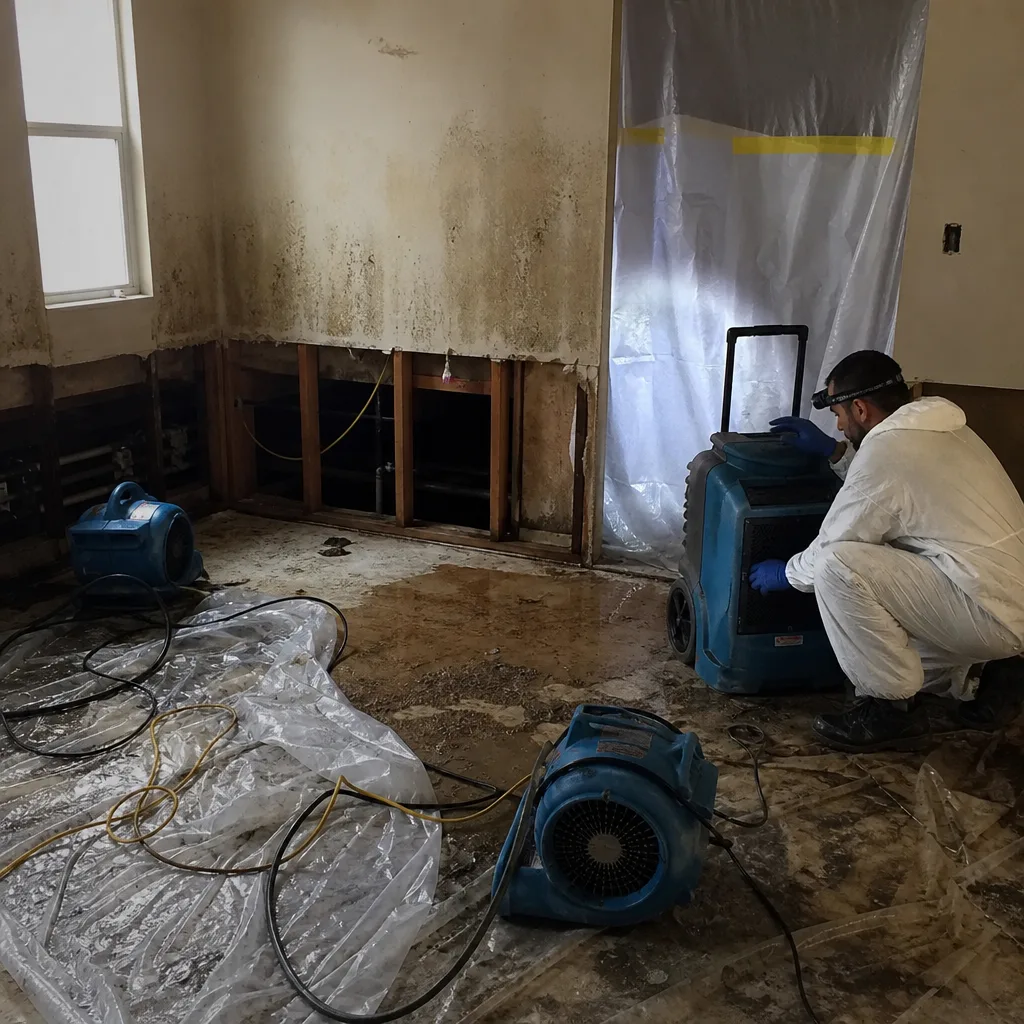 Before
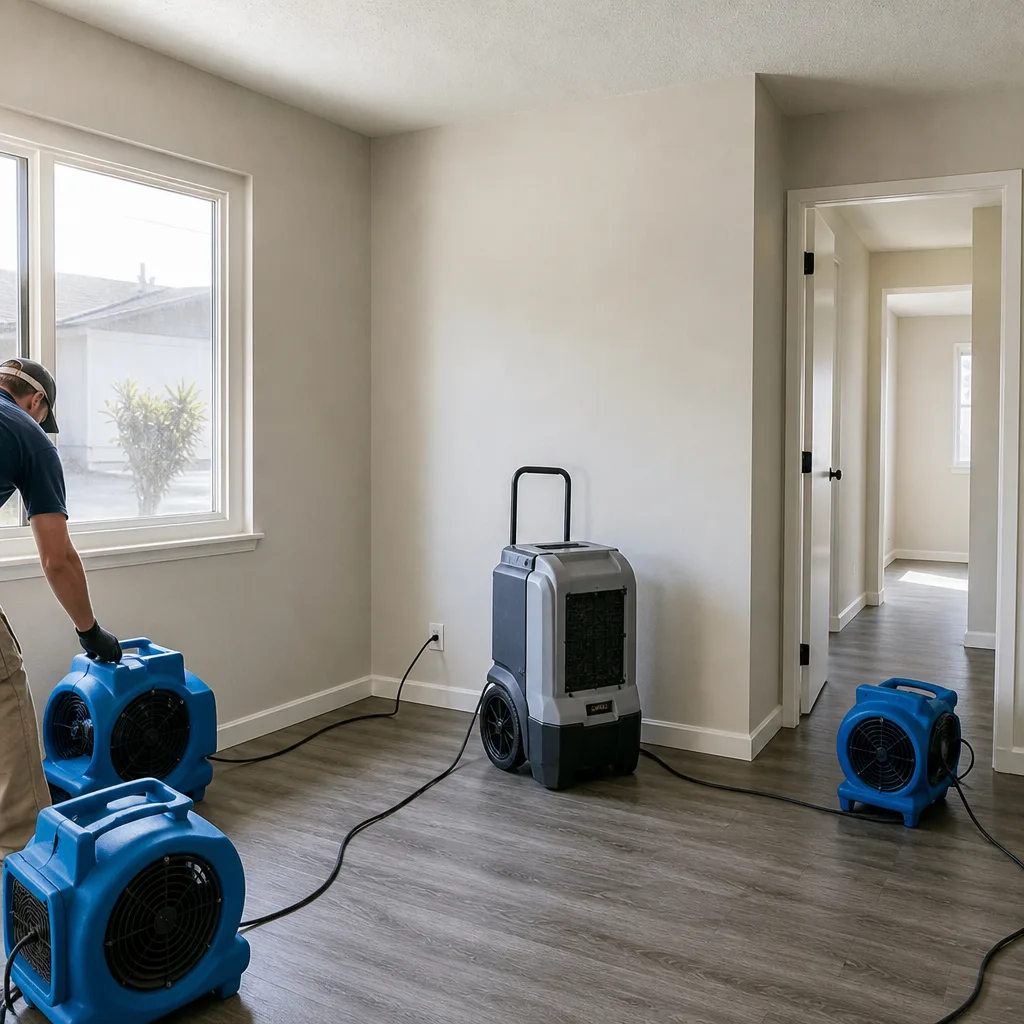 After
Common Mold Remediation Problems We See in Lake Forest Homes
- Water heater closet floods in 1970s-80s tracts. Original water heaters sat in closets beside carpeted living spaces. A failed tank sends water through carpet, pad, and drywall in minutes, and because the same homes have original cast-iron drains, a dual failure isn’t rare.
- Wind-driven rain intrusion after Santa Ana events. Rain gets pushed under lifted roof tiles and through stucco cracks on hillside homes. The visible drywall staining is only part of it; moisture collects in wall cavities and roof sheathing.
- Hidden reservoirs behind baseboards and in wall cavities. Contractors dry the carpet and pad, walk away, and the mold blooms behind the baseboard two weeks later. We see this pattern constantly in 92630 homes.
- Ignored slab penetrations from original cast-iron drain lines. A slow cast-iron leak under the slab seeps into the flooring assembly, wall plates, and lower drywall for months before symptoms show. By then, mold has colonized the wall cavity.
Pricing for Mold Remediation in Lake Forest, CA
Here are the ranges we quote in the 92630 ZIP. A contained mold removal in a single room with drying and antimicrobial application: $1,500 to $3,200. A water-heater closet failure with wicking into two wall cavities: $2,800 to $4,800. Crawl space mold treatment with full encapsulation: $3,000 to $6,500. Mold inspection alone: $250 to $500. The variables are square footage, how many wall cavities are involved, whether we can dry in place with Injectidry instead of demolition, and whether asbestos abatement is needed on older drywall. We’ll give you a written scope before any work starts. Call (833) 589-5317 for a free estimate, no pressure.
We Also Serve Cities Near Lake Forest
Our crews work throughout Lake Forest and the surrounding communities including Foothill Ranch, Portola Hills, Mission Viejo, and Laguna Woods. If you’re in any of those areas and dealing with a mold issue, the same Mold Remediation process applies: moisture mapping, containment, documented drying, and clearance verification. Same crew, same standard.
Serving Lake Forest, CA — Our Local Coverage Area
We’re based in the Lake Forest area and know this community well. Use the map below to see our service coverage — if you’re nearby, we can almost certainly help.
FAQs About Mold Remediation in Lake Forest
Mold can establish within 24 to 48 hours when wind-driven rain pushes moisture behind stucco and into wall cavities. Lake Forest’s inland location means those stucco cracks get baked by summer heat but still hold moisture during winter rain events, so the mold window is short. We recommend moisture mapping within the first day after you notice water intrusion.
Because the original water heaters in 1970s-80s Lake Forest tracts were installed in closets adjacent to carpeted living spaces, a failed tank sends water across carpet, pad, and drywall at once. The water wicks up the back side of the drywall before you even see wet carpet, so the mold starts where you can’t see it. Once we open the wall, we usually find the moisture had been there longer than the homeowner realized.
Yes, and it’s one of the most common root causes we document in the 92630 ZIP. Original cast-iron drain lines from the 1970s are at the end of their service life, and when one fails under the slab, it introduces a slow, hidden source of moisture. A surface water loss gets dried, but the cast-iron leak keeps feeding the wall cavity, and mold returns. We inspect drain lines whenever we do a mold remediation on an older Lake Forest tract home.
Category 1 is clean water, like a supply line break. Category 2 is contaminated water, like a water heater tank failure or wind-driven rain that picked up soil and roof debris. Category 3 is grossly contaminated water, like sewage. Category 2 and 3 water mean we must remove affected porous materials and apply antimicrobial treatment before drying, because mold can colonize those surfaces within 24 to 48 hours. We’ll tell you what category you’re dealing with before we start.
Yes, and it usually does. When wind-driven rain gets under lifted tiles on a hillside home, the water travels down rafter bays and settles in ceiling cavities or walls above living space. The ceiling may look fine for weeks while mold colonies grow inside the cavity. Our thermal mapping catches the moisture before you see staining on the ceiling.
For a mold problem in Lake Forest, the earliest call is the cheapest call. We’ll answer, ask a few questions about the house and what happened, and give you a straight answer about next steps. Call (833) 589-5317 and we’ll send a certified crew to assess your Lake Forest home.
Written by Glen Pacheco, Owner at Dry Line Water Damage, serving Lake Forest and surrounding Orange County communities.