

 Water damage drying
 Fire & smoke cleanup
 Mold remediation
 Storm response
 Sewage cleanup
 Reconstruction
Free visual inspection and a written scope of work before any mitigation begins - photos, moisture readings, and drying logs go in your claim file
The scope we write is the scope we bill. Anything new gets shown to you, in writing, before we touch it.
Get your free estimateFast, Reliable Mold Remediation Across Running Springs
Mold remediation in Running Springs usually starts in the crawlspace, not the living room. At 6,000 feet, freeze-thaw cycles push condensation into unheated pier-and-beam foundations, and vacant cabins can sit for weeks before anyone notices water running down the slope. Dry Line Water Damage handles the full scope: containment, removal, structural drying, and air quality restoration. We’re IICRC-certified and we run Dri-Eaz and Phoenix commercial dehumidifiers on every job. If you’ve found mold in a Running Springs cabin, call (833) 589-5317 for a free estimate.
Why Dry Line Water Damage Is Running Springs’s Preferred Mold Remediation Company
Glen Pacheco built Dry Line Water Damage around one principle: document the dry standard, meet it, and prove it. That matters up here. Running Springs has older housing stock, steep lots, and seasonal vacancy patterns that flatland restoration crews don’t plan for. Our techs know the difference between a 1960s A-frame off Rim of the World Drive and a mid-century cabin on a pier-and-beam foundation near Highway 18. The access constraints, the crawlspace moisture patterns, the way snowmelt moves under a slab – we plan for all of it before equipment rolls off the truck.
We hold IICRC certification, the restoration industry’s most rigorous third-party training standard. We’re also members of the Restoration Industry Association, which binds us to a published code of ethics. Homeowners and property managers in Running Springs call us because we bring the same Injectidry structural drying systems and Phoenix dehumidifiers that large-loss commercial contractors run – not consumer-rental fans. One crew handles water, mold, and fire damage, so you’re not coordinating three vendors on a mountain road that slows everyone down anyway.
Restoration work we handle
Professional Mold Removal in Running Springs
Professional Mold Removal in Running Springs starts with containment, not demolition. We build a negative-pressure enclosure around the affected area, run HEPA-filtered air scrubbers, and remove mold-damaged materials under controlled conditions. The goal is to stop spores from moving into clean rooms, which matters in occupied cabins and especially in tight A-frame layouts where the living space sits directly above a contaminated crawlspace. In Running Springs, most removal jobs run $1,800 to $4,500 depending on the square footage, the material affected, and whether joists or subflooring need replacement.
Containment and source removal
We treat every mold job as a contamination control operation. That means zip walls, negative air pressure, and full PPE for our crew. In Running Springs cabins with open floor plans, containment is the difference between a localized fix and a whole-house problem.
Structural drying after removal
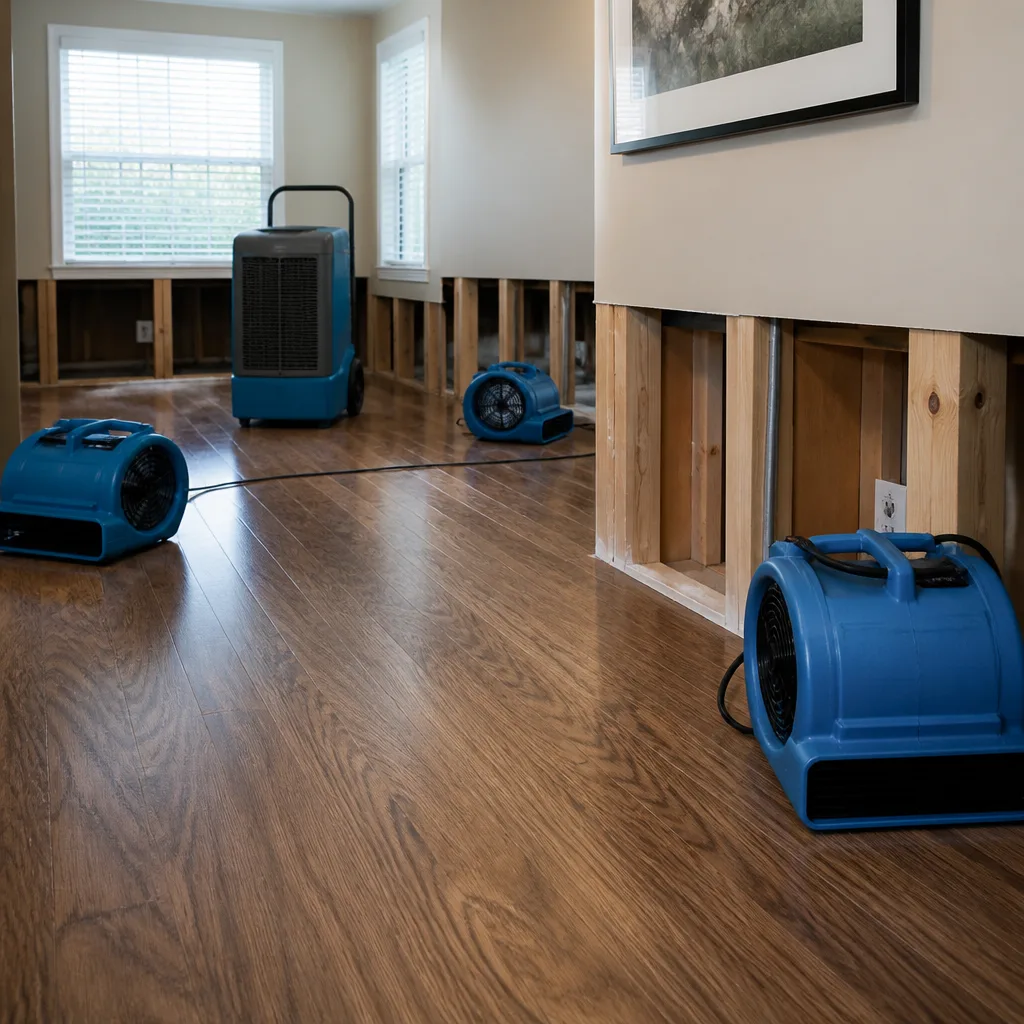
Removing moldy drywall or insulation doesn’t solve the moisture source. Our Injectidry panels pull moisture from wall cavities and subfloors without ripping out finished material. We monitor with moisture meters and give you documented readings at completion – not a visual once-over.
Mold Inspection in Running Springs
Mold Inspection in Running Springs should start with a moisture survey, not a visual check. We use thermal imaging and moisture meters to map where water is hiding – behind wood siding, under pier-and-beam floors, inside unheated crawlspaces. In a mountain town where vacant cabins sit for weeks, the smell is often the first sign and the source is rarely where the staining appears. A full mold inspection with moisture mapping in Running Springs typically runs $350 to $700, depending on the size of the structure and how many areas need evaluation.
Moisture mapping and thermal imaging
We trace water intrusion back to its source: a split supply line, an ice dam, or condensation from freeze-thaw cycles. Without documentation, you’re guessing. With it, you get a clear scope and a clear price.
Post-remediation verification
After removal and drying, we re-inspect with the same instruments. You get a written record showing moisture levels in the affected cavities returned to a documented dry state. That’s the threshold for closing a job in our operation.

Trusted Brands We Service in Running Springs
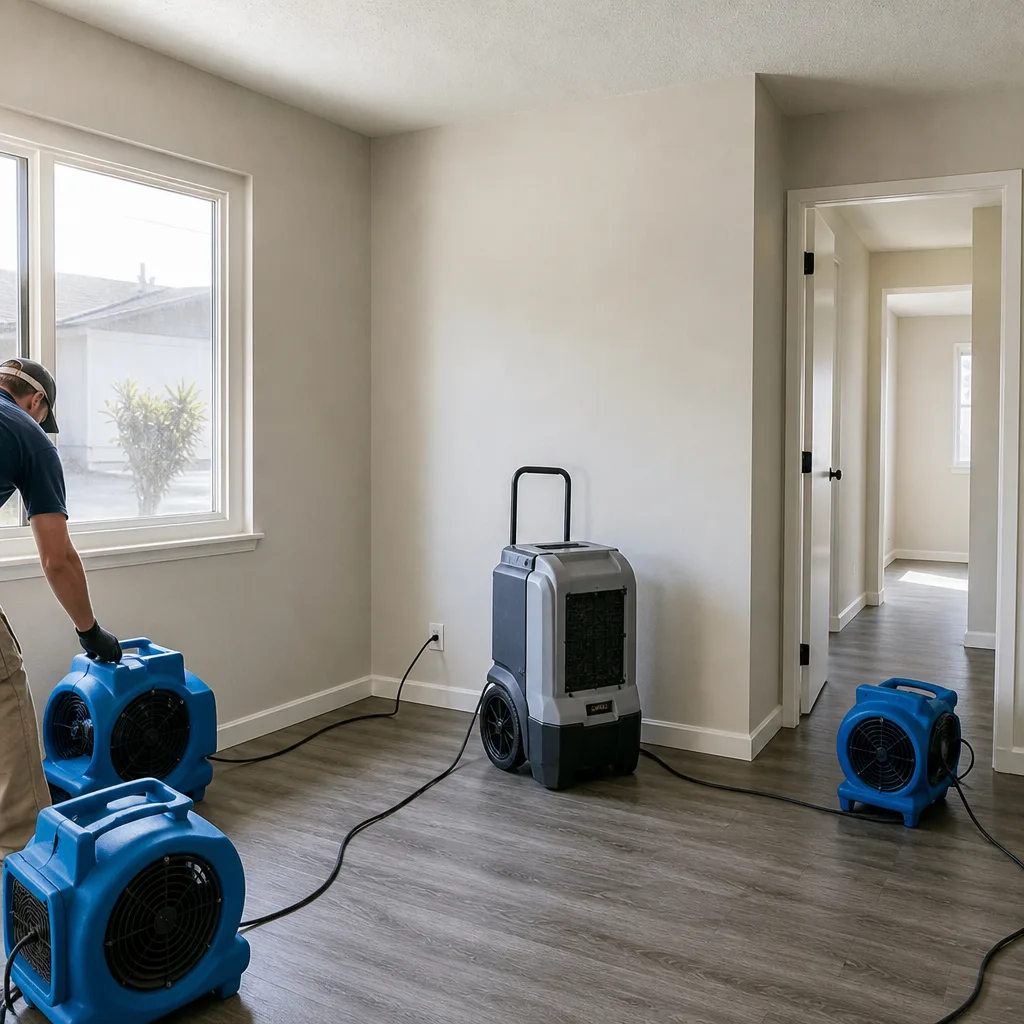
A lot of restoration equipment in Running Springs works harder than it should have to. Altitude thins the air, cold nights stress motors, and dusty mountain roads clog filters faster. That’s why we run B-Air air movers, Phoenix dehumidifiers, and Injectidry drying panels – not rental-yard machines that quit halfway through a job. When we bring this equipment up Highway 330 or Highway 18, we carry spare filters, hoses, and sensors. A breakdown in Running Springs means another hour round-trip to the valley, so we stage for it.
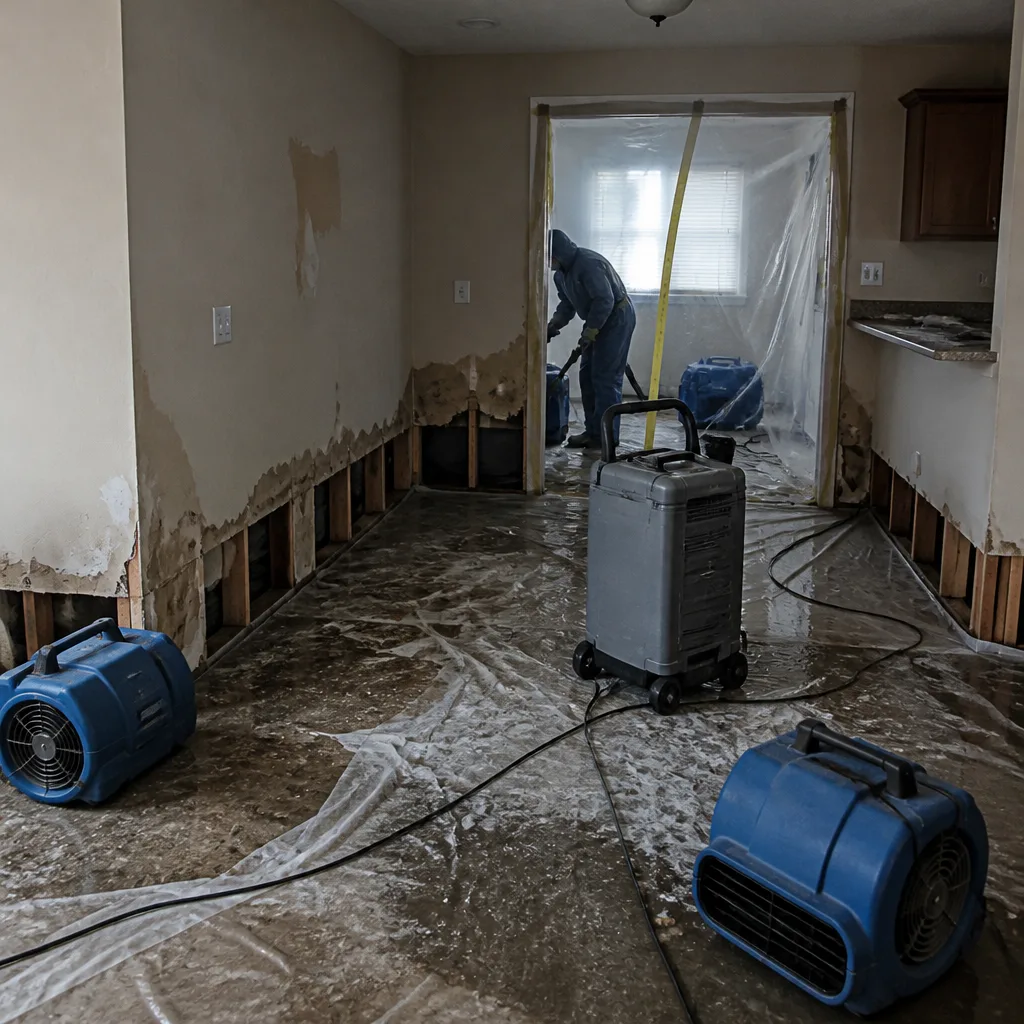
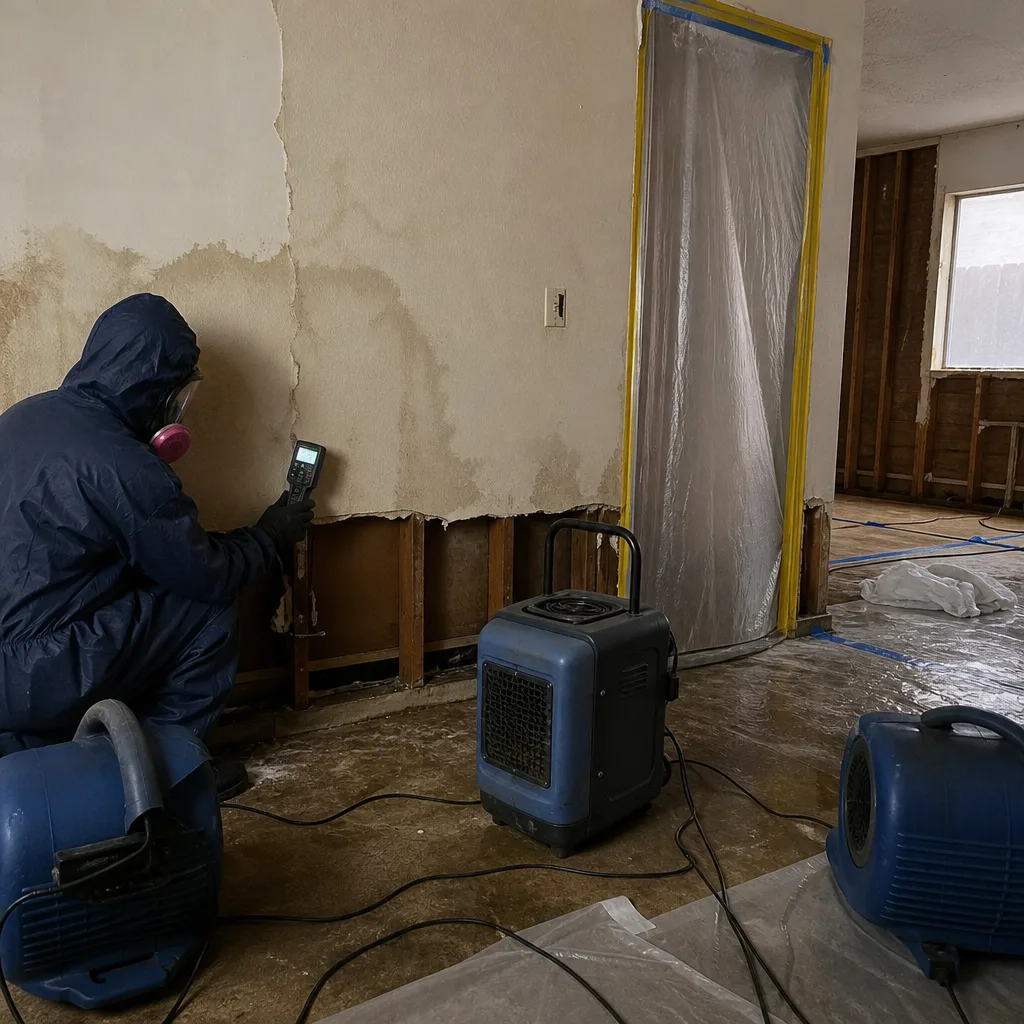
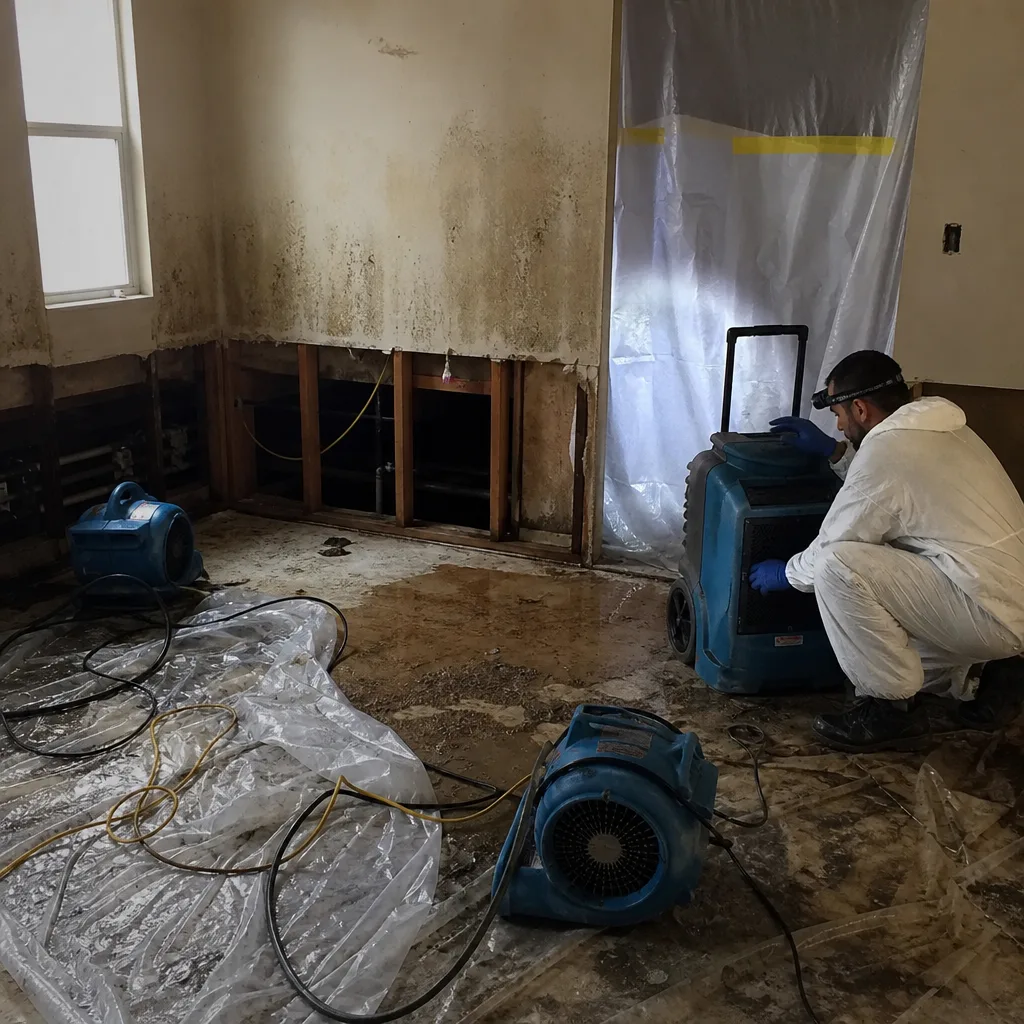
See the difference
 Before
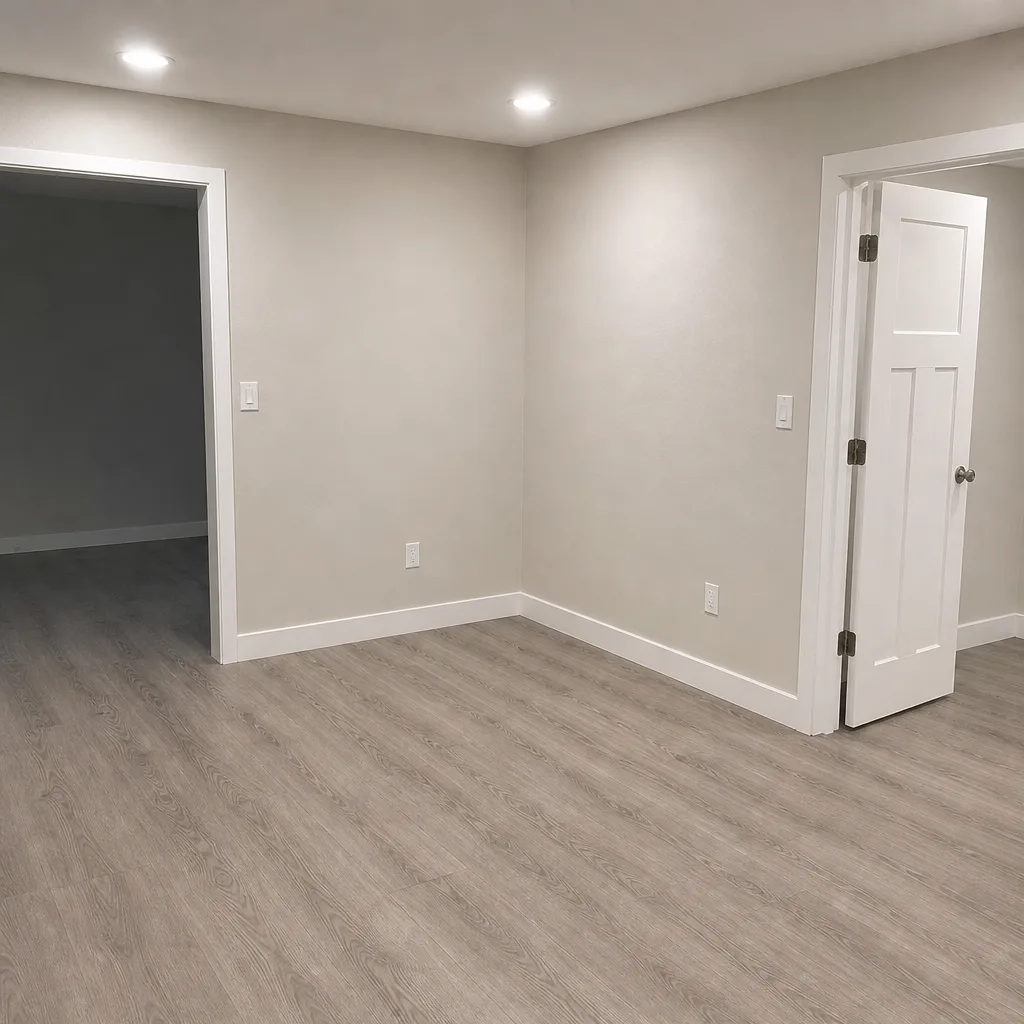 After
 Before
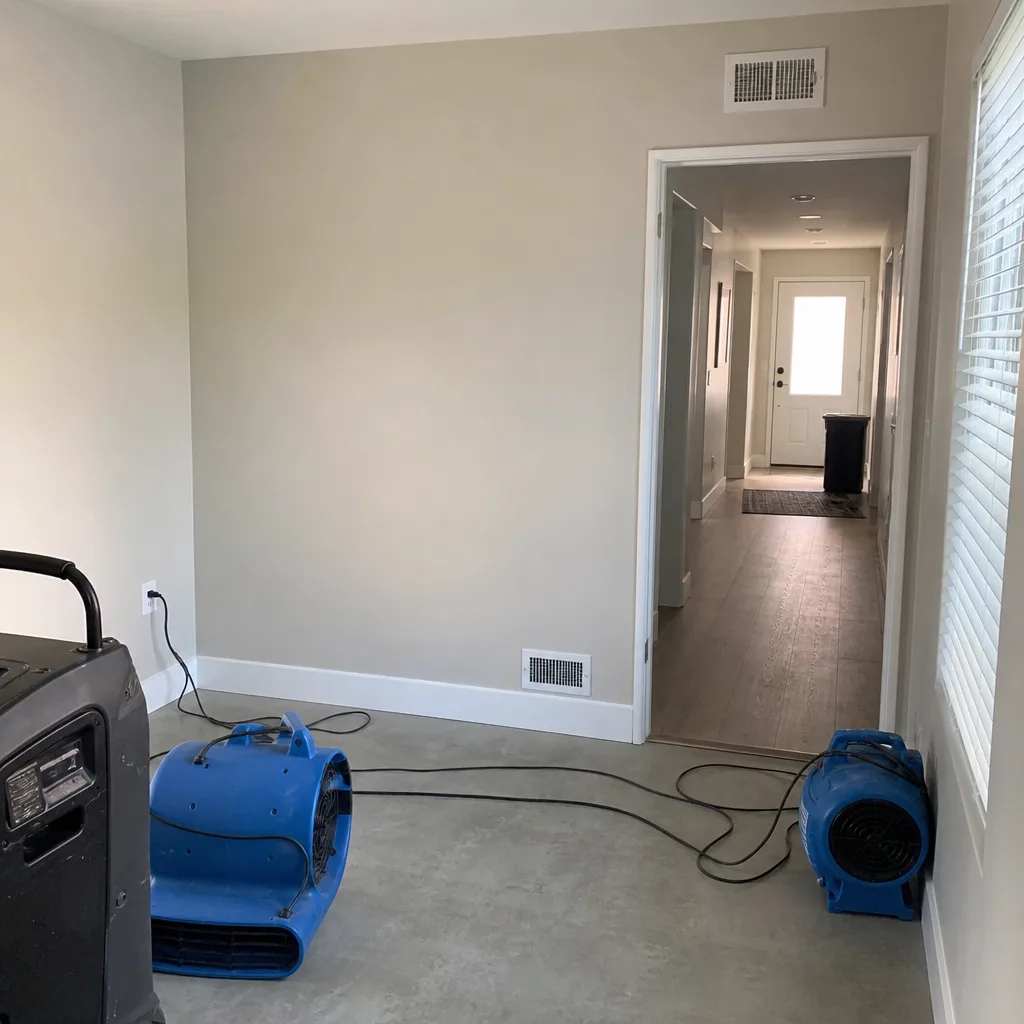 After
 Before
 After
Common Mold Remediation Problems We See in Running Springs Homes
- Unheated crawlspaces and pier-and-beam foundations. Freeze-thaw condensation wets the subfloor, and by the time a neighbor sees water running down the slope, mold’s already blooming on the joists. We see this most in vacant A-frames and mid-century cabins off Rim of the World Drive.
- Ice dams and snowmelt intrusion. Heavy snowpack sits on roofs, then spring thaw sends water behind siding and into wall cavities. The mold shows up months later as staining on interior drywall, far from the original leak point.
- Category 2 and 3 water from snowmelt. Meltwater running across forest soil picks up bacteria and sediment. Relying on dehumidification alone isn’t enough when wet materials need removal first – a mistake we correct often in Running Springs.
- Vacant-cabin discovery lag. A supply line splits in a cold snap, and nobody notices for three weeks. By the time a property manager opens the door, mold has had time to colonize subflooring, insulation, and stored belongings.
Pricing for Mold Remediation in Running Springs, CA
A crawlspace containment and removal job in Running Springs typically runs $2,200 to $4,800, depending on access and how much joist repair is needed. Full attic mold remediation from ice dam leakage lands between $3,000 and $6,500. A basic mold inspection with moisture mapping starts around $350. The biggest cost variables here are the age of the cabin, whether the crawlspace is tight or walkable, and how much material can be dried with Injectidry panels versus removed and replaced. We give you a written scope before work starts. No surprises, no vague language. Call (833) 589-5317 for a free estimate.
We Also Serve Cities Near Running Springs
Our crew works the whole San Bernardino mountain corridor. You’ll find us in Running Springs and nearby Lake Arrowhead, Highland, Mentone, and Crestline. Same IICRC-certified process, same commercial-grade equipment, same documented dry standard. For full details on our process, see our Mold Remediation page.
Serving Running Springs, CA — Our Local Coverage Area
We’re based in the Running Springs area and know this community well. Use the map below to see our service coverage — if you’re nearby, we can almost certainly help.
FAQs About Mold Remediation in Running Springs
Mold can begin growing within 24 to 48 hours after water contacts organic material like drywall, subflooring, or insulation. In a Running Springs cabin, the real problem is discovery lag. A pipe splits during a cold snap, the cabin sits vacant, and by the time someone finds it a week or two later, the colony is established and spreading. Call (833) 589-5317 as soon as water is discovered – the earlier we set up containment, the less material gets removed.
Mold problems in Running Springs start in the crawlspace because that’s where freeze-thaw condensation and slow leaks stay hidden. At 6,000 feet, unheated pier-and-beam foundations go through daily temperature swings that pull moisture into wood framing. A tiny split in a supply line under the floor can wet the subfloor for weeks without showing a single stain inside the house. We find these with moisture meters and thermal imaging, not just looking around.
Category 1 is clean water from a supply line or melted snow that hasn’t touched soil. Category 2 carries some contamination – think meltwater that’s run across a yard or through a dirty crawlspace. Category 3 is heavily contaminated water from sewage, standing flood water, or outside ground runoff. In Running Springs, snowmelt that runs down a slope and into a cabin is usually Category 2 or 3, which means we remove the wet materials – insulation, subflooring, sometimes framing – rather than just drying them. That distinction drives the entire remediation scope.
Yes. We regularly work in vacant Running Springs cabins, including ones with snow piled against the foundation and no interior heat. Our crews are self-sufficient – we bring our own power, water, and staging. Containment and drying equipment run unattended, and we schedule site visits to log moisture readings. If the driveway is impassable, we coordinate with local plow services or property managers to stage equipment effectively.
You prevent recurrence by fixing the moisture source, not just killing the mold. In Running Springs cabins, that means insulating and sealing crawlspaces, correcting drainage around the foundation, and upgrading supply lines in unheated areas. We document moisture readings at job completion so you have a baseline. For vacant cabins, a seasonal shutdown checklist and periodic inspections catch problems before they turn into a full remediation job again. Call (833) 589-5317 for an exact quote – estimates are free.
Written by Glen Pacheco, Owner at Dry Line Water Damage, serving Running Springs and the San Bernardino Mountains.