

 Water damage drying
 Fire & smoke cleanup
 Mold remediation
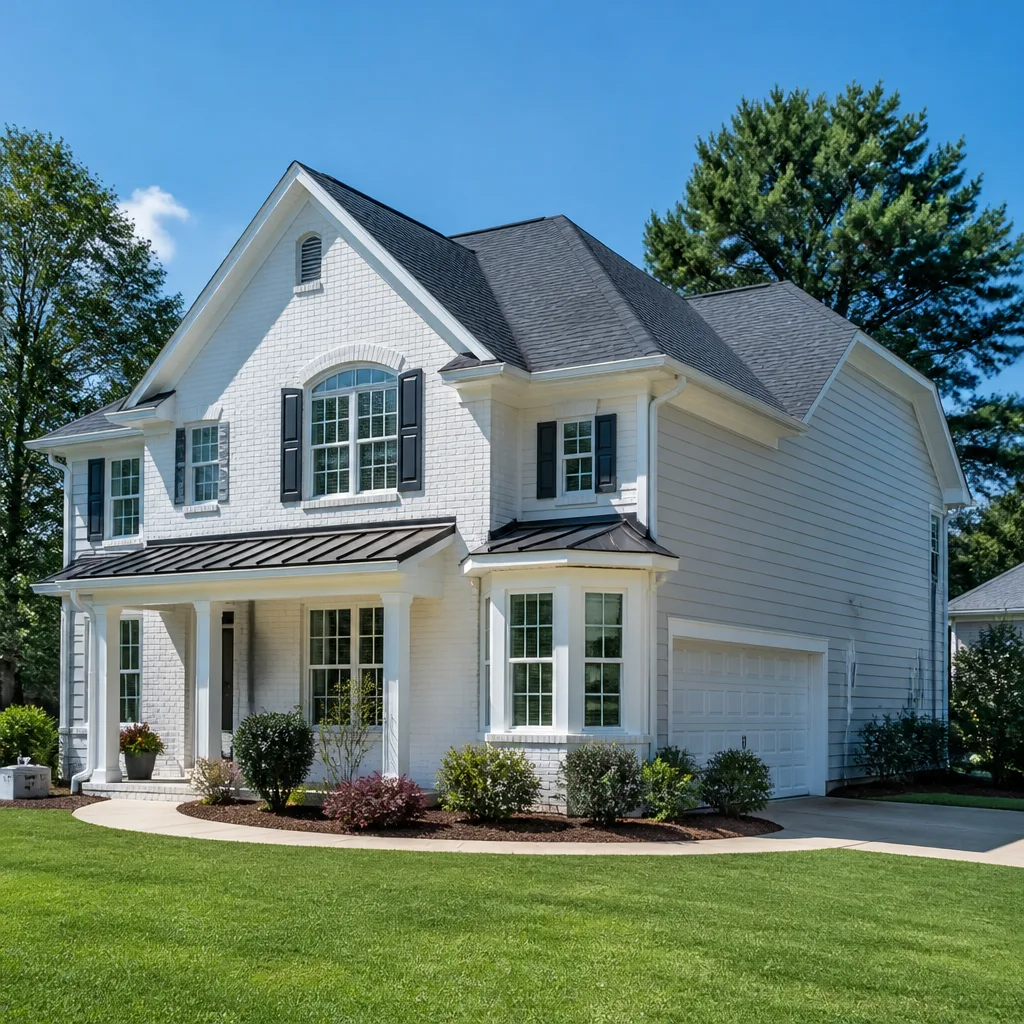 Storm response
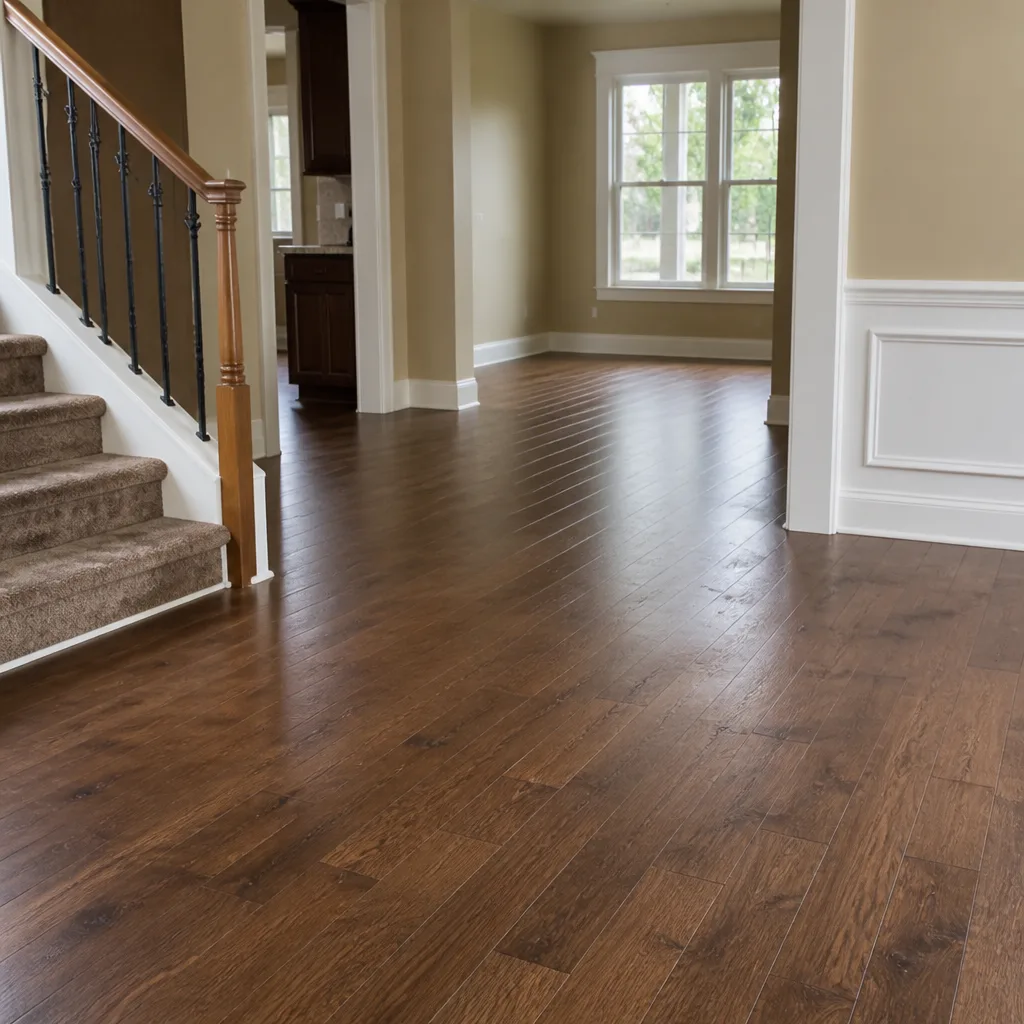 Sewage cleanup
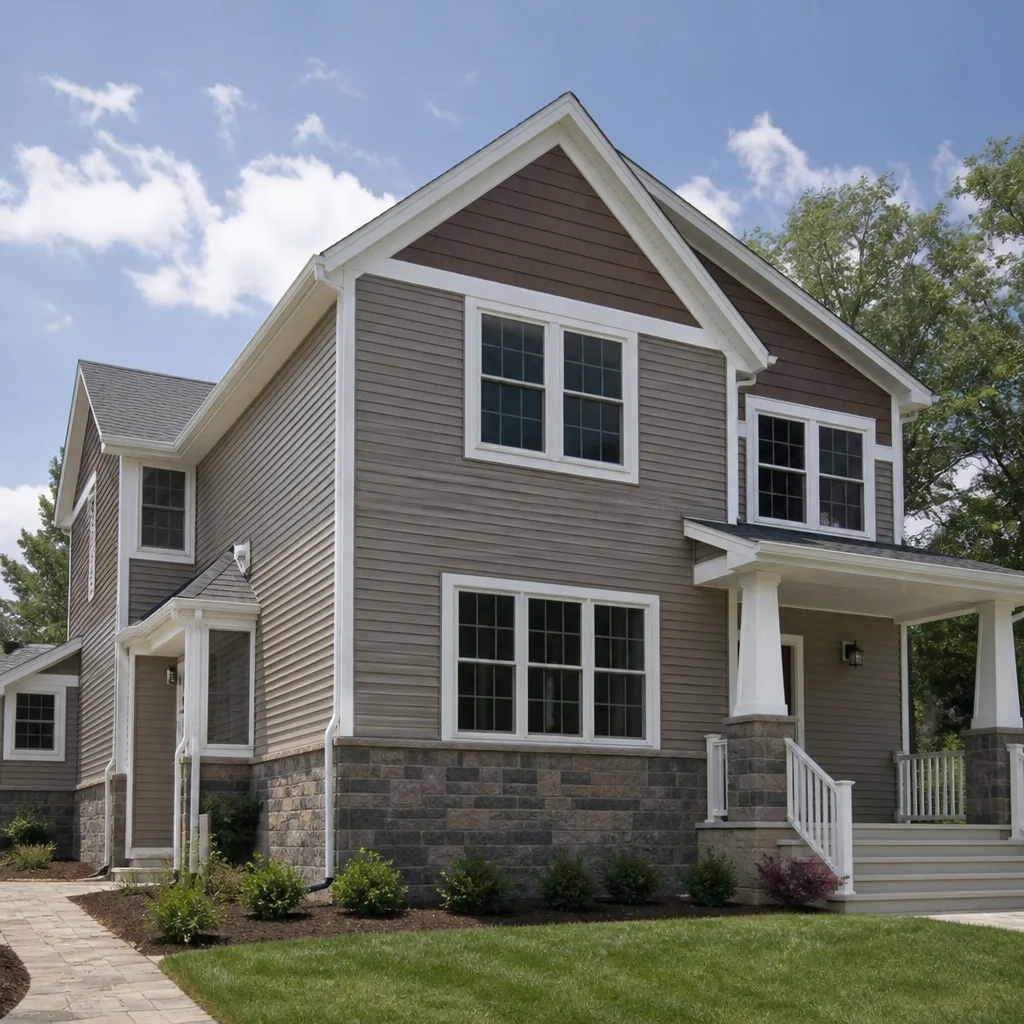 Reconstruction
Free visual inspection and a written scope of work before any mitigation begins - photos, moisture readings, and drying logs go in your claim file
The scope we write is the scope we bill. Anything new gets shown to you, in writing, before we touch it.
Get your free estimateFast, Reliable Water Damage Restoration Across Good Hope
Water damage restoration in Good Hope typically runs $2,800 – $7,500 for a standard Category 1 or 2 loss and $6,000 – $18,000+ when a private well line fails or a septic backup pushes Category 3 water through a detached structure. We get to Good Hope homes within hours, not days, because drying starts before the county scope of work gets complicated. Our crews know the difference between a municipal water main break and a well pressure tank blowout off a rural county road, and that matters when you’re standing in two inches of water in a workshop that holds half your livelihood.
Call (833) 589-5317 for a free estimate. We serve all of ZIP 92572, from the homes off Collier Avenue to the larger parcels east of the 215.
Why Dry Line Water Damage Is Good Hope’s Preferred Water Damage Restoration Company
Good Hope is unincorporated Riverside County, which means water damage restoration here runs through county channels, not a city permit desk. Glen Pacheco built Dry Line Water Damage around that reality. We document mitigation for Riverside County Fire/Code Enforcement and county building and safety the first time, so your claim doesn’t stall because the drying logs weren’t built for the agency that actually reviews them.
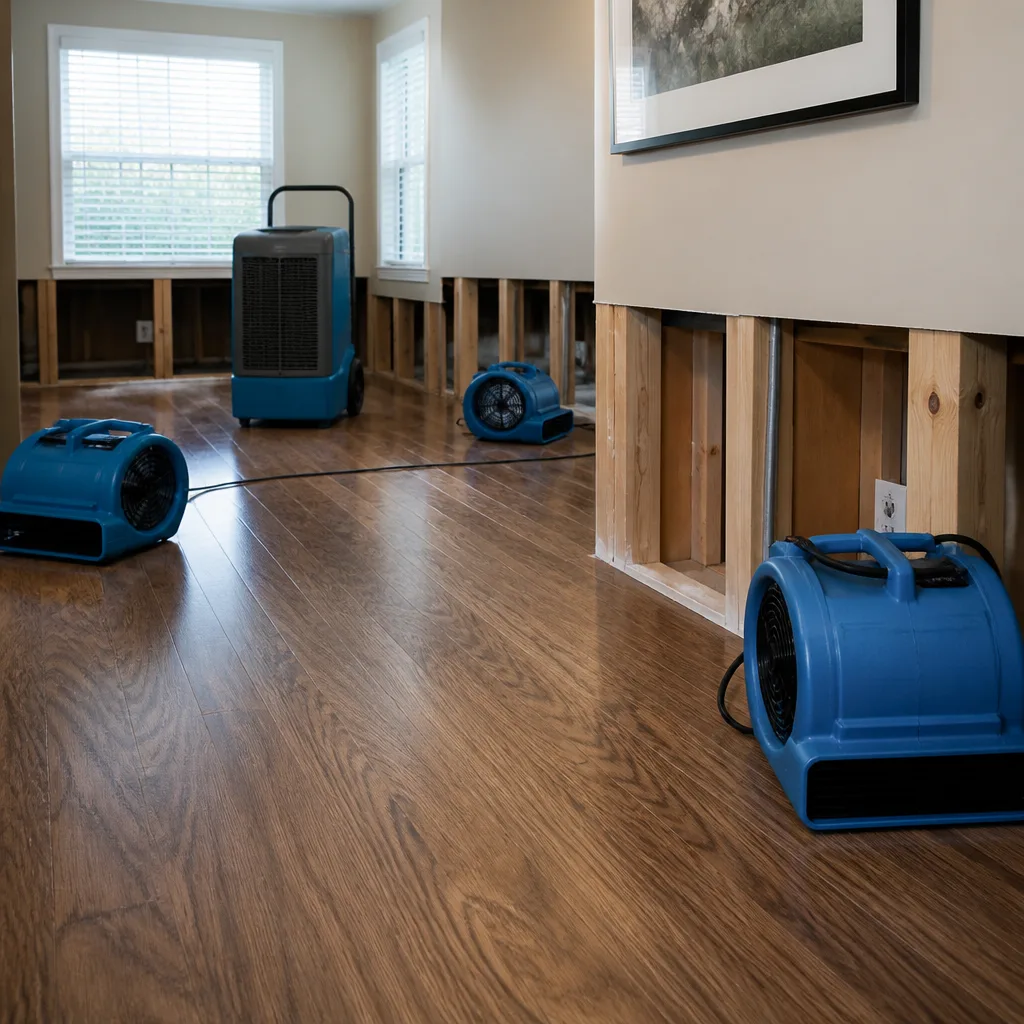
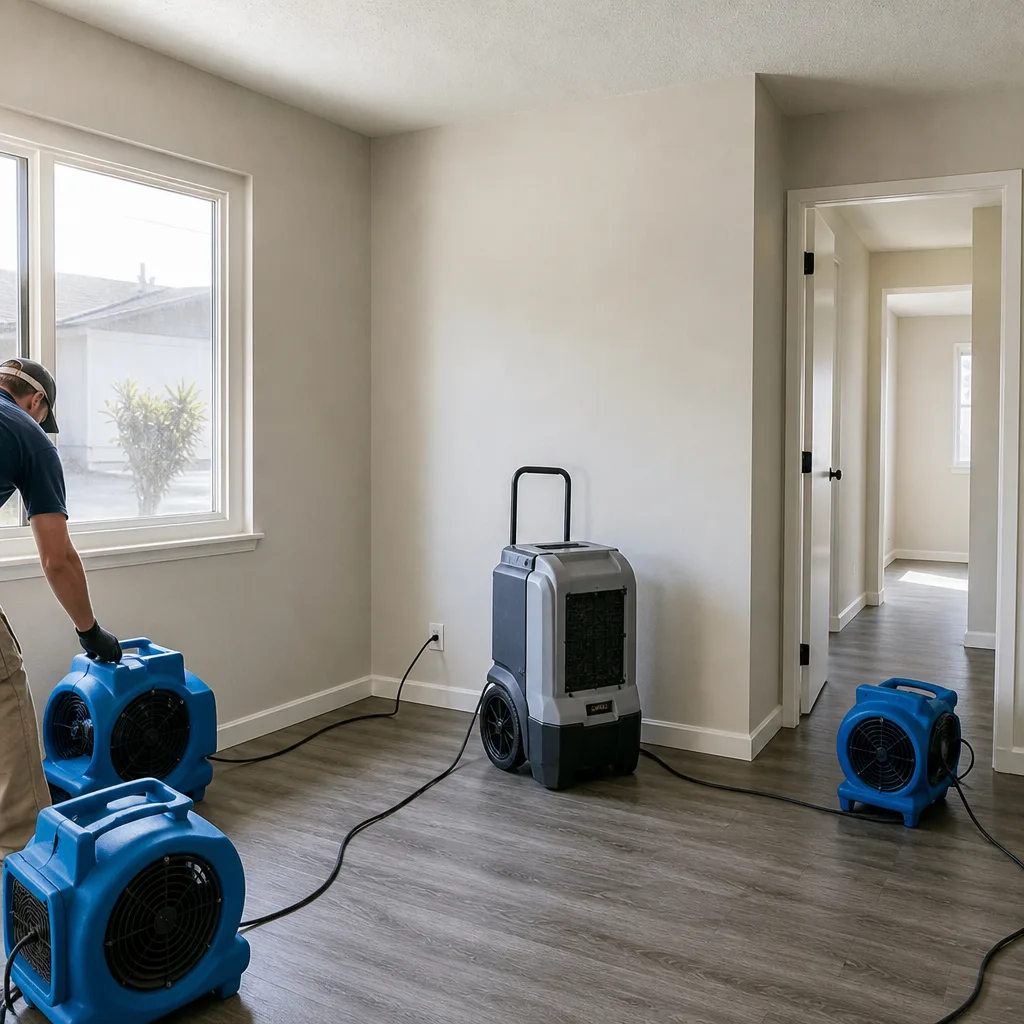
Our Good Hope customers see the same IICRC-certified process we bring to every job: moisture mapping with documented readings, structural drying with Dri-Eaz and Phoenix equipment, and Injectidry systems that pull water from wall cavities without ripping them open. That certification is the restoration industry’s third-party training standard. It’s not a self-issued badge. We’re also an RIA member, held to a published code of ethics. When you call us, you get a specific process, not a vague promise to “make it right.”
We’ve handled water losses across Good Hope where the main house, a detached garage, and a well house all took water from one failed line. That’s not a one-off scenario here. It’s the standard loss profile on larger rural lots.
Restoration work we handle
Emergency Water Damage Restoration in Good Hope
Emergency Water Damage Restoration in Good Hope means water extraction from every structure on the property, not just the one with the visible standing water. A well tank failure off an unpaved county road can send water into the main house crawlspace, a detached workshop, and the well house itself. Our first step is tracing the source, including private well lines and septic fail points, because misclassifying the water category changes the entire remediation plan and the county paperwork that follows.
Private Well and Septic Water Extraction
When a well pressure tank ruptures or a septic line backs up, the water isn’t clean. It’s Category 3, meaning it carries bacteria and waste. In Good Hope, where many properties run on private wells and septic systems, we treat these losses with the antimicrobial and containment protocols they require, not the clean-water protocol a city-based crew might wrongly apply.
Structural Drying Across Outbuildings
Drying stops at the front door on a lot of jobs, and that’s exactly how Good Hope homes get half-dried. We scope the main house, detached garage, workshop, and well house as one loss. Injectidry systems reach moisture inside walls and floors without unnecessary demolition, which matters when you’re trying to save a workshop that can’t be rebuilt for weeks.
Water Damage Repair in Good Hope
Water Damage Repair in Good Hope often involves older construction on larger lots, which means materials that hold water differently than newer builds. Plaster walls, uninsulated crawlspaces, and tongue-and-groove subfloors soak differently than drywall and OSB. We map moisture with penetrating and non-penetrating meters so the repair scope reflects actual drying progress, not a visual guess.
Well House and Outbuilding Restoration
A well house soaked by a failed line is a code-sensitive structure. Riverside County building and safety wants to see documented drying before you put the system back into service. We provide exactly that: dated moisture logs, equipment placement records, and a final dry standard that holds up under county review.
Septic Backup Repair and Decontamination
When a septic system backs up into a Good Hope garage or crawlspace, the repair isn’t just drying. We remove contaminated material, apply EPA-registered antimicrobial treatments, and contain the affected area so the rest of the property stays clean. The repair scope gets built around what the county will actually sign off on, not what a city permit desk would have accepted.
Trusted Brands We Service in Good Hope
We run Dri-Eaz and Phoenix dehumidifiers, XPOWER air movers, and Injectidry structural drying systems on Good Hope jobs because these are the brands built for commercial and large-loss work. Consumer rental machines don’t hold up on a three-structure loss with a well house involved. We keep spare parts and drying chambers on hand for our own equipment, so a Good Hope job doesn’t sit idle waiting for a part to ship. When our crew rolls up to a property off the 215, the equipment is ready to run.

Common Water Damage Restoration Problems We See in Good Hope Homes
- Well tank failures that flood multiple structures. A pressure tank rupture doesn’t politely stop at the front door. It feeds the main house, a detached workshop, and the well house before anyone notices the pump cycling nonstop.
- Septic backups misclassified as clean water. Crews who work mostly in municipally sewered cities see water on the floor and assume Category 1. In Good Hope, a septic backup is Category 3 and needs a different scope of work and different documentation.
- Drying scopes that ignore detached structures. A garage or workshop with wet walls and a soaked subfloor won’t dry on its own in Good Hope’s heat. If the mitigation plan doesn’t include it, mold follows.
- Drying logs that won’t pass county review. Riverside County building and safety and County Fire/Code Enforcement want dated moisture readings and equipment logs. A one-paragraph summary isn’t enough.
See the difference
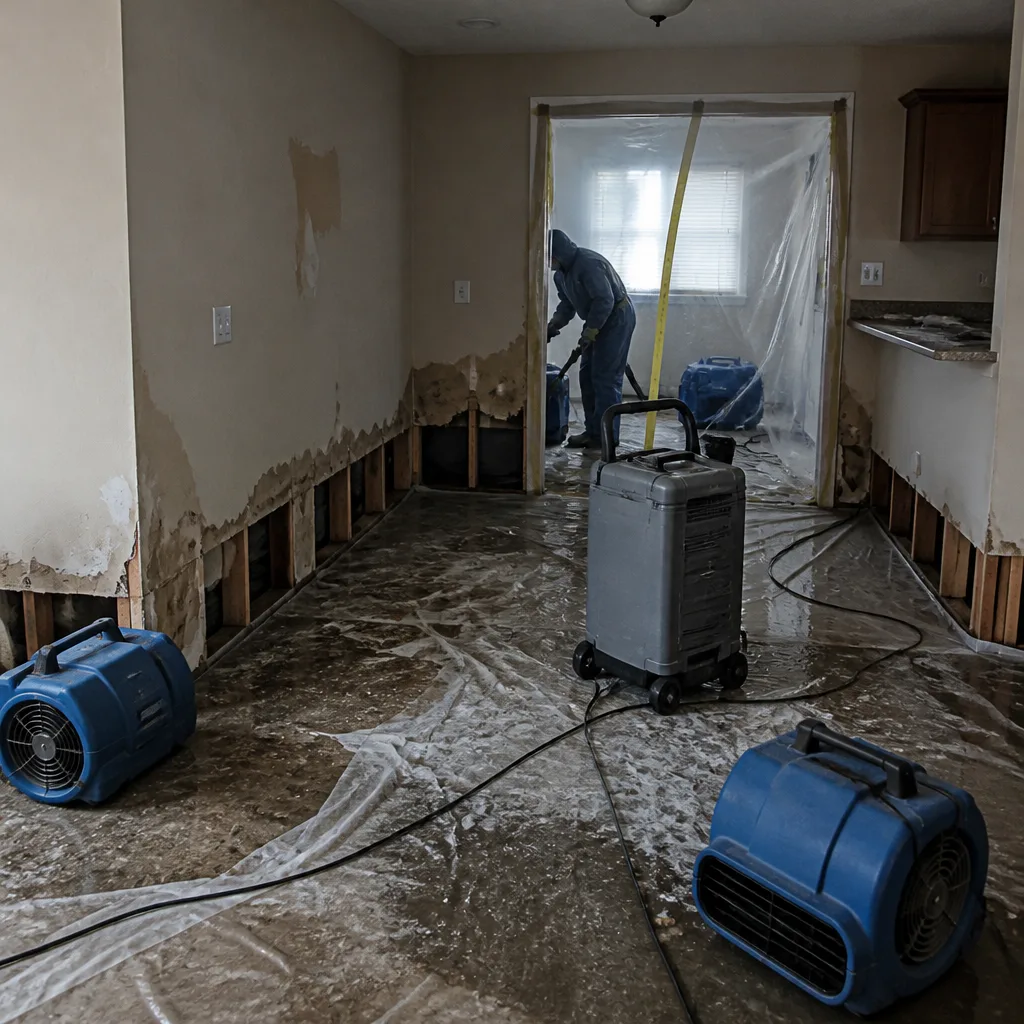 Before
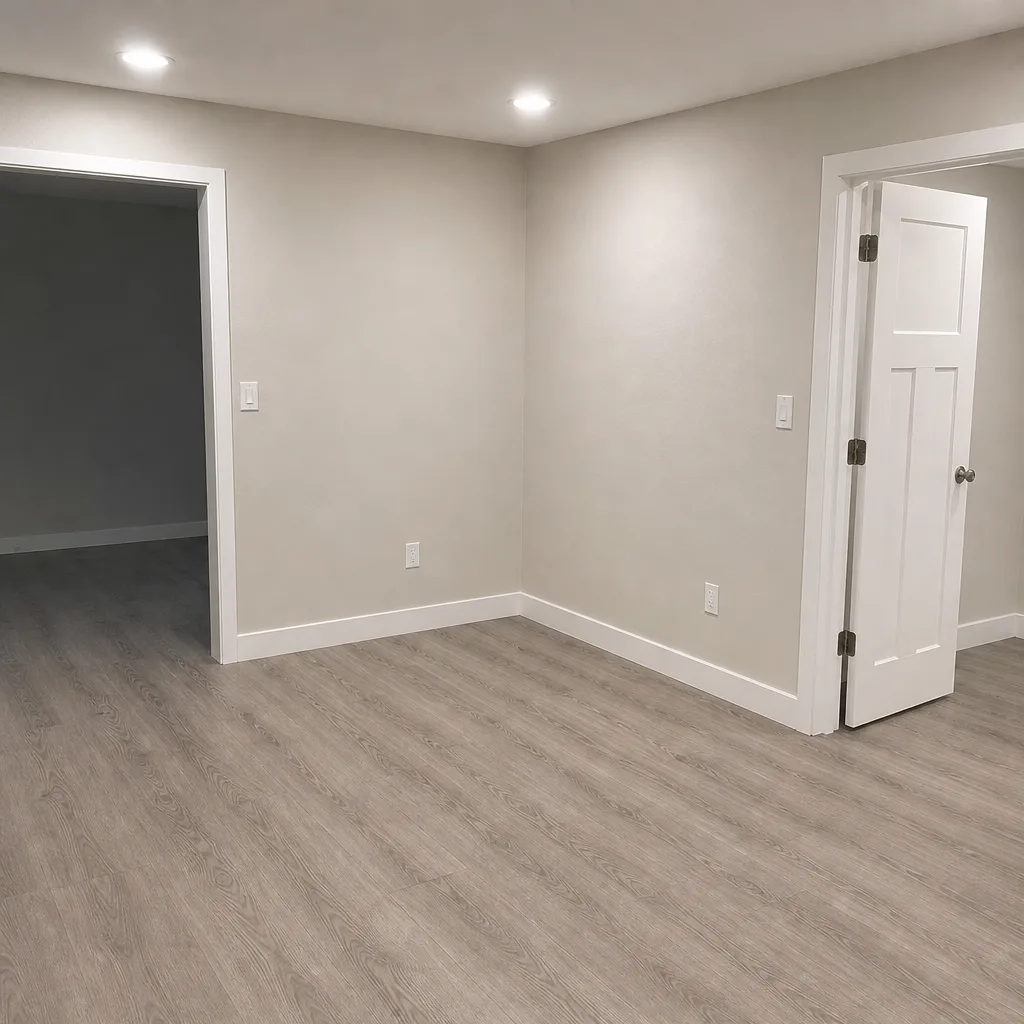 After
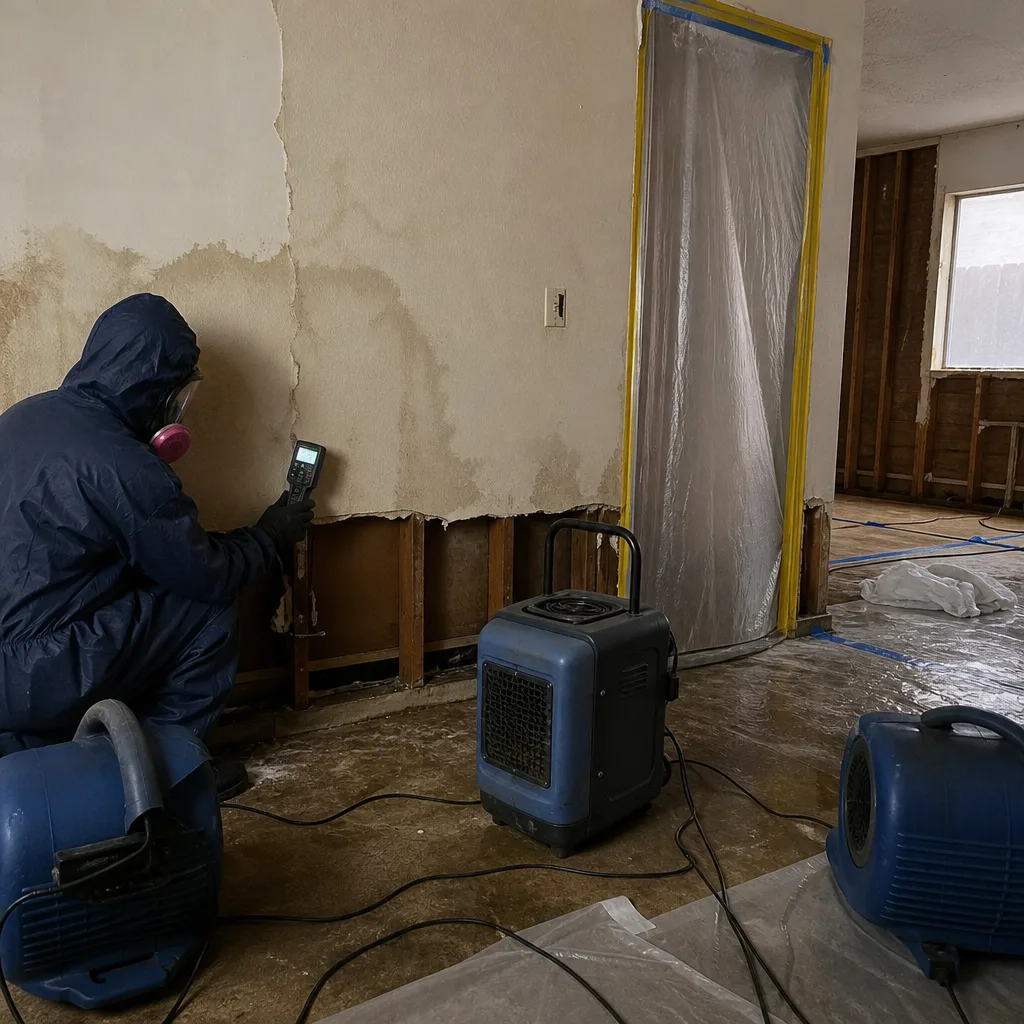 Before
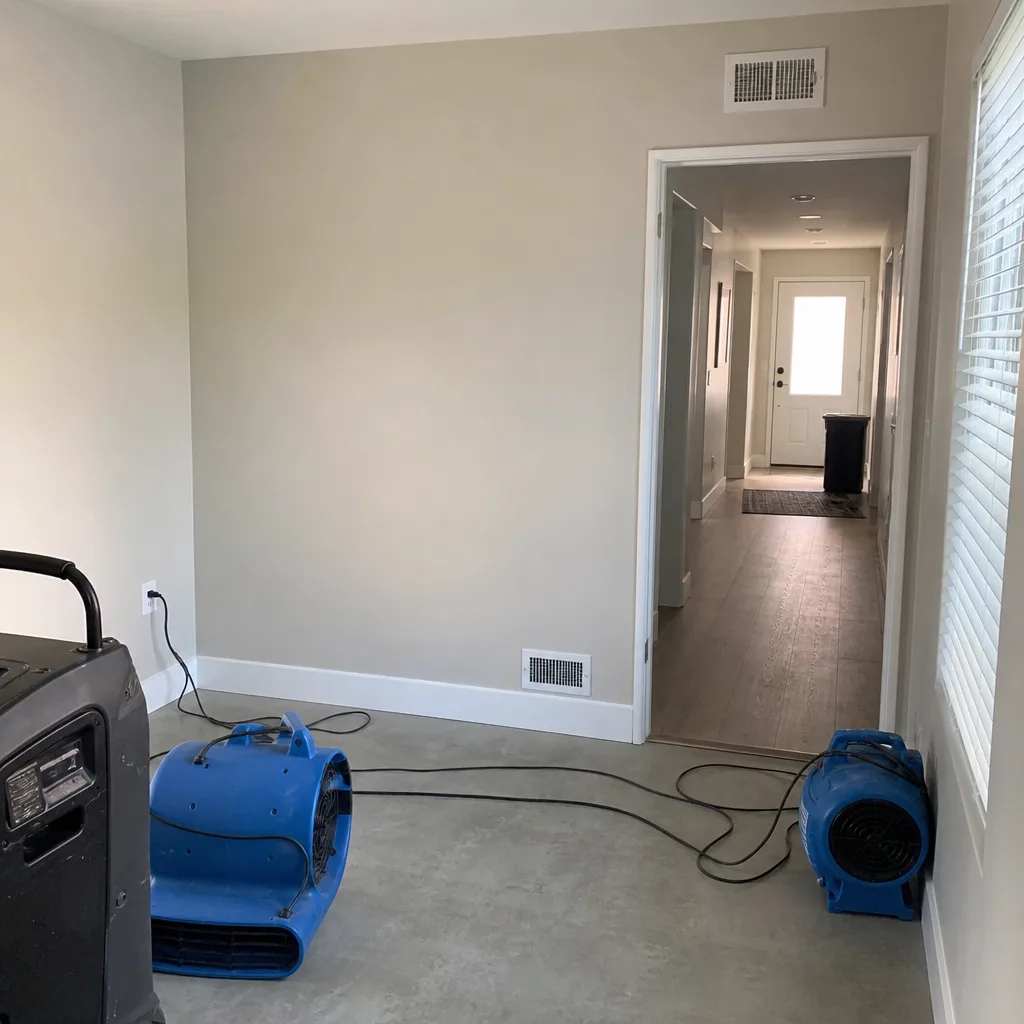 After
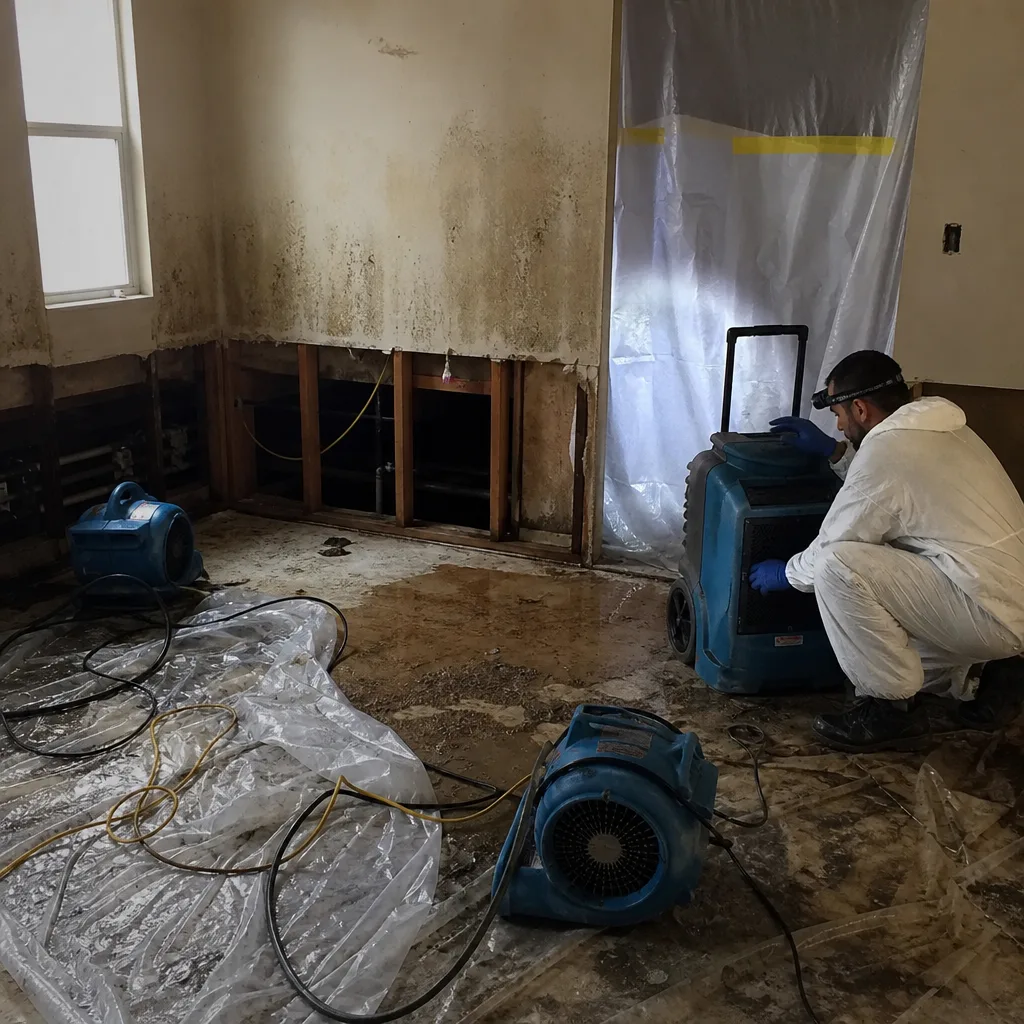 Before
 After
Pricing for Water Damage Restoration in Good Hope, CA
Expect to pay these ranges for common Good Hope losses:
- Emergency water extraction from a single room: $1,200 – $2,800
- Full structural drying of a main house plus one detached structure: $3,500 – $7,500
- Category 3 water loss from a well line or septic backup spanning multiple structures: $6,000 – $18,000+
- Water damage repair including drywall, insulation, and flooring after drying: $4,000 – $12,000+
What moves the number most is how many structures took water and whether the water was Category 3. A single-room pipe leak in the main house is the low end. A well failure that soaked a workshop and crawled into the crawlspace is the high end. Call (833) 589-5317 and we’ll give you a written scope of work before anything starts. Estimates are free.
We Also Serve Cities Near Good Hope
Our Water Damage Restoration crews cover Good Hope and the surrounding communities, including Perris, Romoland, Sun City, and Mead Valley. If you’re in Good Hope or any nearby ZIP, the same IICRC-certified process applies, and the same county documentation requirements follow.
Serving Good Hope, CA — Our Local Coverage Area
We’re based in the Good Hope area and know this community well. Use the map below to see our service coverage — if you’re nearby, we can almost certainly help.
FAQs About Water Damage Restoration in Good Hope
Good Hope is unincorporated, so mitigation documentation goes to Riverside County Fire/Code Enforcement and county building and safety, not a municipal permit desk. Many properties also run on private wells and septic systems, so water losses often involve well tank failures and Category 3 backups that city-based firms don’t account for.
Call (833) 589-5317 if you’re dealing with a loss that spans multiple structures or a private system failure.
Yes, if the line carries untreated well water or if any septic connection is involved, it’s Category 3. Well water that has sat in soil or mixed with surface runoff is contaminated. The garage and workshop both need antimicrobial treatment and containment, not just drying.
Mold can begin in 24 to 48 hours on wet drywall and wood in Good Hope’s inland heat. The sooner extraction and drying start, the less demolition and repair scope you’re facing.
We scope every structure that took water: the main house, detached garage, workshop, and well house. A drying plan that stops at the front door misses half the damage on a Good Hope rural lot. That’s a standard part of our process, not an add-on.
We provide dated moisture readings, equipment placement logs, and a final dry standard that Riverside County building and safety and County Fire/Code Enforcement can review directly. The documentation is built to stand on its own, so you can reopen a well or septic system back into service without a second tear-out.
Call (833) 589-5317 for a free estimate, and we’ll walk you through exactly what the scope of work looks like.
Contact Dry Line Water Damage in Good Hope, CA
If you have standing water, a failed well line, a septic backup, or a soaked outbuilding, call (833) 589-5317 now. We’ll get a crew to your Good Hope property, build a drying plan that covers every structure on the lot, and document it all for county review. Estimates are free, and you’ll get a written scope of work before anything starts.
Written by Glen Pacheco, Owner at Dry Line Water Damage, serving Good Hope and the surrounding Riverside County communities since 2013.