

 Water damage drying
 Fire & smoke cleanup
 Mold remediation
 Storm response
 Sewage cleanup
 Reconstruction
Free visual inspection and a written scope of work before any mitigation begins - photos, moisture readings, and drying logs go in your claim file
The scope we write is the scope we bill. Anything new gets shown to you, in writing, before we touch it.
Get your free estimateFast, Reliable Water Damage Restoration Across Loma Linda
Water damage restoration in Loma Linda typically costs between $2,100 and $5,400 for a standard single-room loss, with larger multi-unit or structural drying projects running $7,000 to $15,000+. Most calls come from the 92350 and 92354 ZIP codes, where mid-century stucco apartments and 1970s tract homes dominate. We know the buildings here. We know which plumbing systems fail behind which walls. And we know that in a town built around a hospital, the definition of “done” is different than it is anywhere else. If you have water where it shouldn’t be, call (833) 589-5317. We’ll map the moisture, set the drying plan, and document everything in writing.
Why Dry Line Water Damage Is Loma Linda’s Preferred Water Damage Restoration Company
Dry Line Water Damage is an IICRC-certified restoration operation, not a generalist with a wet vac. The difference matters in Loma Linda, where much of the housing stock predates modern plumbing codes and where hospital-adjacent living means occupants expect a documented, verified dry standard, not a visual once-over. Glen Pacheco, our owner, built the company around that standard: use commercial-grade equipment, follow a written drying protocol, and produce moisture documentation that holds up when an adjuster or a health-conscious tenant asks questions.
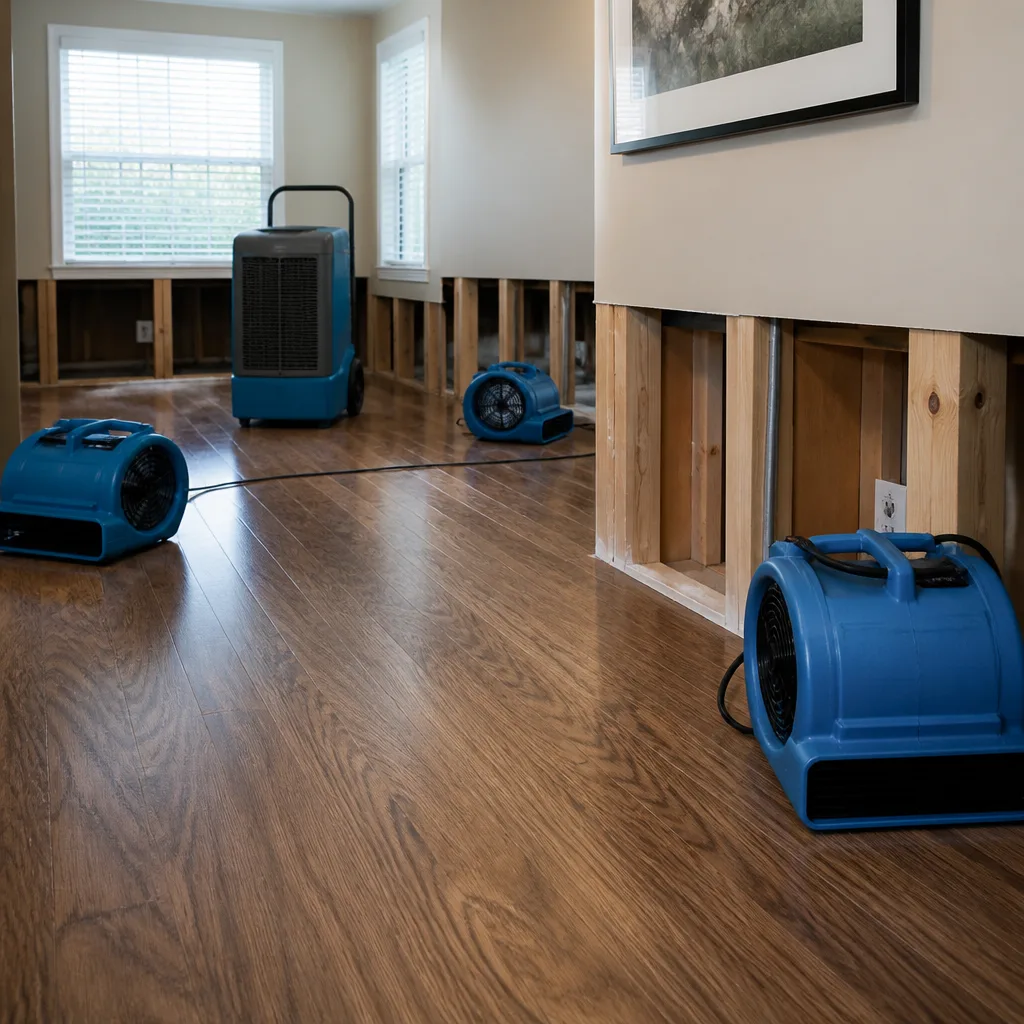
We run Dri-Eaz dehumidifiers and Phoenix air movers, the same units large-loss contractors use on commercial jobs. Our Injectidry systems pull moisture from wall cavities without tearing out drywall, which reduces demolition and keeps repair scope smaller. That matters in Loma Linda’s older apartments, where unnecessary demo means disturbing materials that tenants want left alone. We’re also RIA members and IFA-affiliated, which means we answer to external standards and ethics codes, not just our own checklist. When a water loss hits a rental building near the university or a stucco home off Barton Road, we show up with the right equipment and a process that leaves nothing to guesswork.
Restoration work we handle
Water Extraction in Loma Linda
Water Extraction in Loma Linda usually means pulling standing water out of a unit that has been flooding for hours, sometimes longer. Delayed discovery is common here because hospital staff work long shifts and students are often in class or clinical rotations. By the time we arrive, water has typically moved through floor assemblies, soaked carpet and pad, and started wicking into drywall. In Loma Linda, water extraction typically runs $700 to $1,900 for a single room, depending on the water category and how far the moisture has traveled. The work involves truck-mounted or portable extraction units, moisture mapping to find the true edge of saturation, and immediate placement of air movers and dehumidifiers to stop secondary damage.
We don’t just pull what’s visible. We check the subfloor, the wall base, and the cavity behind the wet drywall, because in Loma Linda’s older stucco buildings, water travels between units and hides in shared wall assemblies.
Multi-Unit Extraction Protocols
When water moves through a floor-ceiling assembly into the unit below, extraction becomes a coordinated job across separate ownership boundaries. We document the source, the travel path, and the drying zone so each owner knows what happened and where responsibility sits. Containment and HEPA filtration are often part of this work, especially when a downstairs occupant is immunocompromised or chemically sensitive.
Extraction and the Adjustment Process
We photograph everything before, during, and after extraction. Those photos, paired with moisture readings and a written scope, give your adjuster what they need to process the claim without delays. If your property is in the 92354 ZIP code or anywhere else in Loma Linda, we know the standard documentation insurers expect and we provide it on the first pass.
Emergency Water Removal in Loma Linda
Emergency Water Removal in Loma Linda is about stopping a spreading loss before it becomes a reconstruction project. Galvanized supply lines from the 1960s and 1970s fail behind walls, and in stacked apartments, the water doesn’t stop at the source unit. We get called to buildings along Barton Road, Prospect Avenue, and the older condos near the medical center where a first-floor ceiling is suddenly raining from a second-floor leak. Emergency water removal in Loma Linda typically runs $900 to $2,300 on the initial response, not including subsequent structural drying. That first response includes extraction, source identification, and immediate equipment placement.
The goal on an emergency call is simple: get the water out, get the meters in, and get the building on a documented drying curve. We don’t leave a site until that’s underway.
What the First Two Hours Look Like
We arrive, map the moisture with thermal imaging and penetrating meters, set containment if the water is contaminated, extract the standing water, and place air movers and dehumidifiers sized to the cubic footage of the affected space. In Loma Linda, we also consider occupant health from minute one. If the unit serves a hospital worker or a medically fragile resident, we run HEPA filtration during extraction, not just during drying.

Why Waiting Makes It Worse
Category 1 water becomes Category 2 water after time and contact. In a semi-arid climate like Loma Linda’s, homeowners and tenants sometimes assume the dry heat will handle a small leak. It won’t. What it will do is hide mold growth inside a warm wall cavity, which we then have to remediate instead of just dry. Early extraction is cheaper than delayed structural drying plus mold work. If you’re on the fence about calling, call. We’d rather tell you it’s minor than show up three days later to a loss that doubled.
Trusted Brands We Service in Loma Linda
We run Phoenix dehumidifiers and Dri-Eaz air movers on nearly every Loma Linda job, because they move more air and pull more moisture than anything a homeowner can rent. We also use XPOWER for spot drying in tight spaces, like the closets and utility rooms common in older apartment layouts. When we deploy Injectidry systems, we’re drying wall cavities from the inside without pulling drywall off studs. That reduces demolition, lowers repair cost, and keeps original building materials intact where they’re still sound. No brand loyalty games here. We spec the equipment to the loss, not the other way around.
Common Water Damage Restoration Problems We See in Loma Linda Homes
- Original galvanized supply lines failing behind walls in 1960s-70s stucco apartments. These pipes rust from the inside out and can spike without warning. The water travels down through the floor assembly before anyone hears it running, which means we often find the leak only after the ceiling below has already failed.
- Cast-iron drain lines cracking under slab foundations in tract-era homes. Many Loma Linda homes built before 1980 have original cast-iron waste lines. When they fracture, sewage-adjacent water moves through the slab and into flooring and baseboards. That converts a routine dry-out into a Category 2 or 3 loss.
- Wind-driven rain entering wall cavities under original tile roofs. Santa Ana winds push water sideways, and older tile roofs with worn underlayment let it into the wall system. Homeowners don’t see the water until paint bubbles or mold blooms on interior drywall. By then, the wall cavity has been wet for days.
- Delayed discovery in rental units and student housing. Occupants work night shifts, attend clinicals, or travel for academic blocks. A supply line leaks for three days before anyone notices. We respond to a lot of losses that started small and turned structural because nobody was home to see the first sign.
See the difference
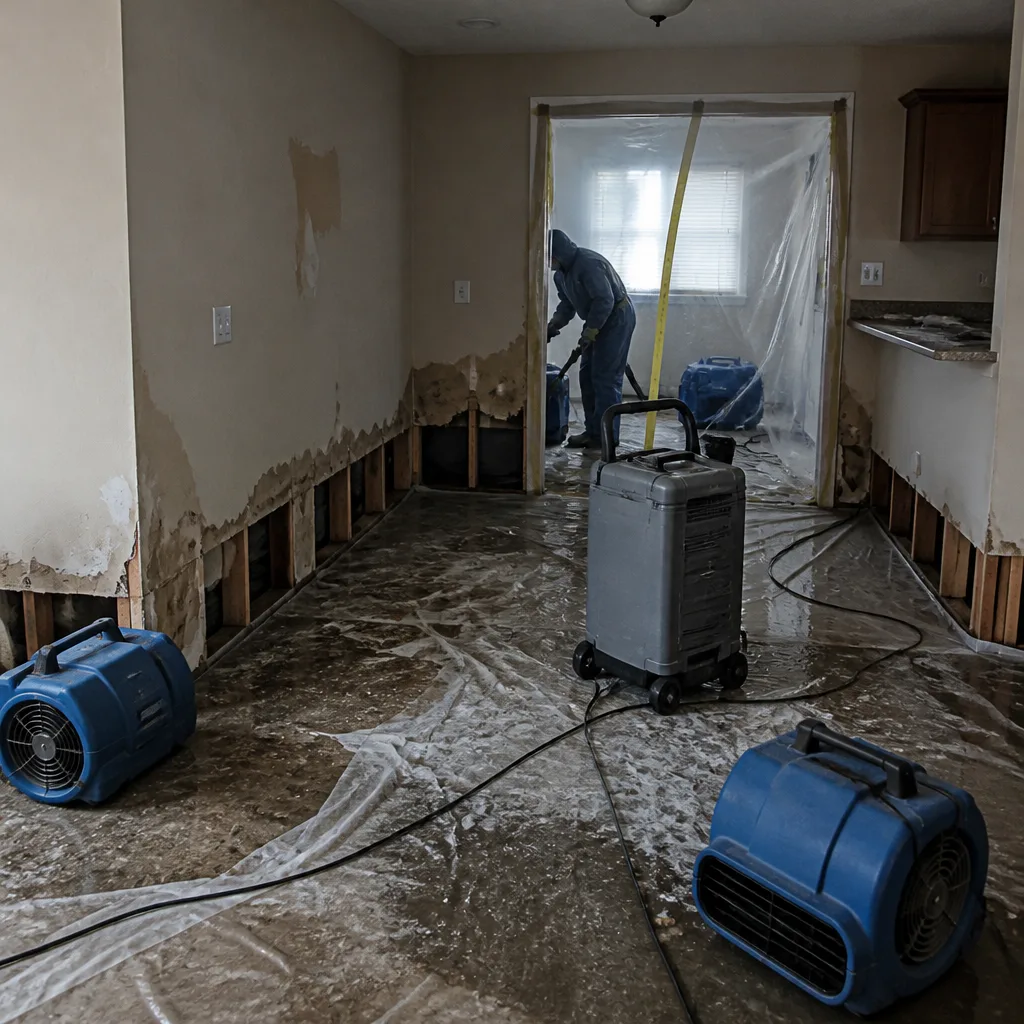 Before
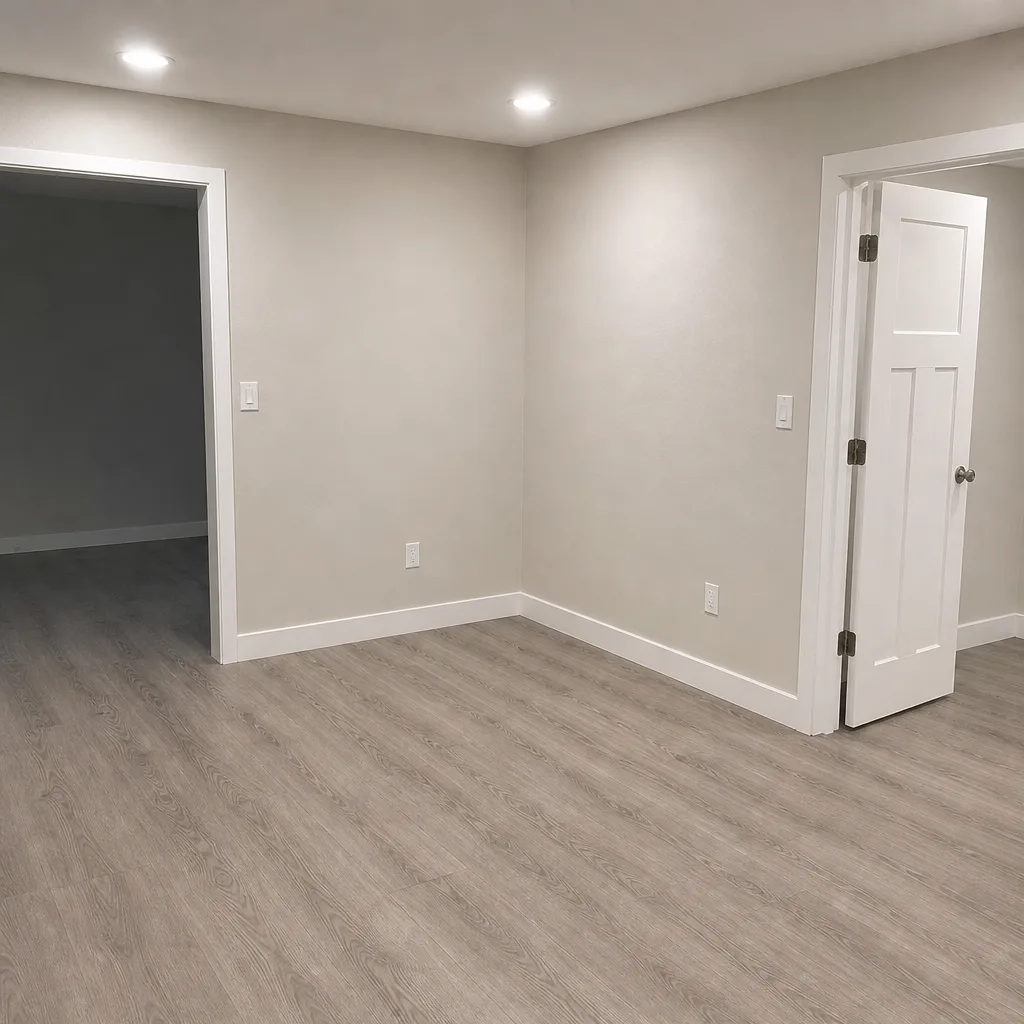 After
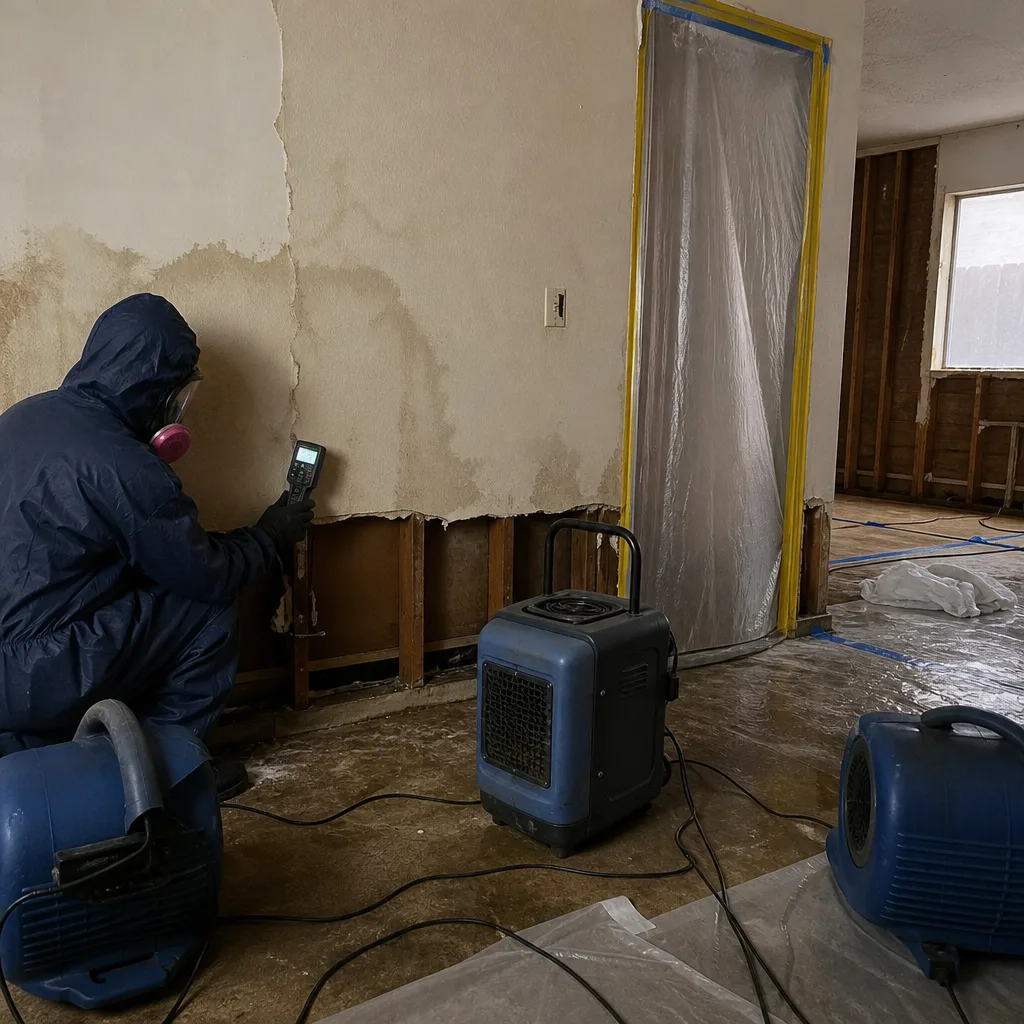 Before
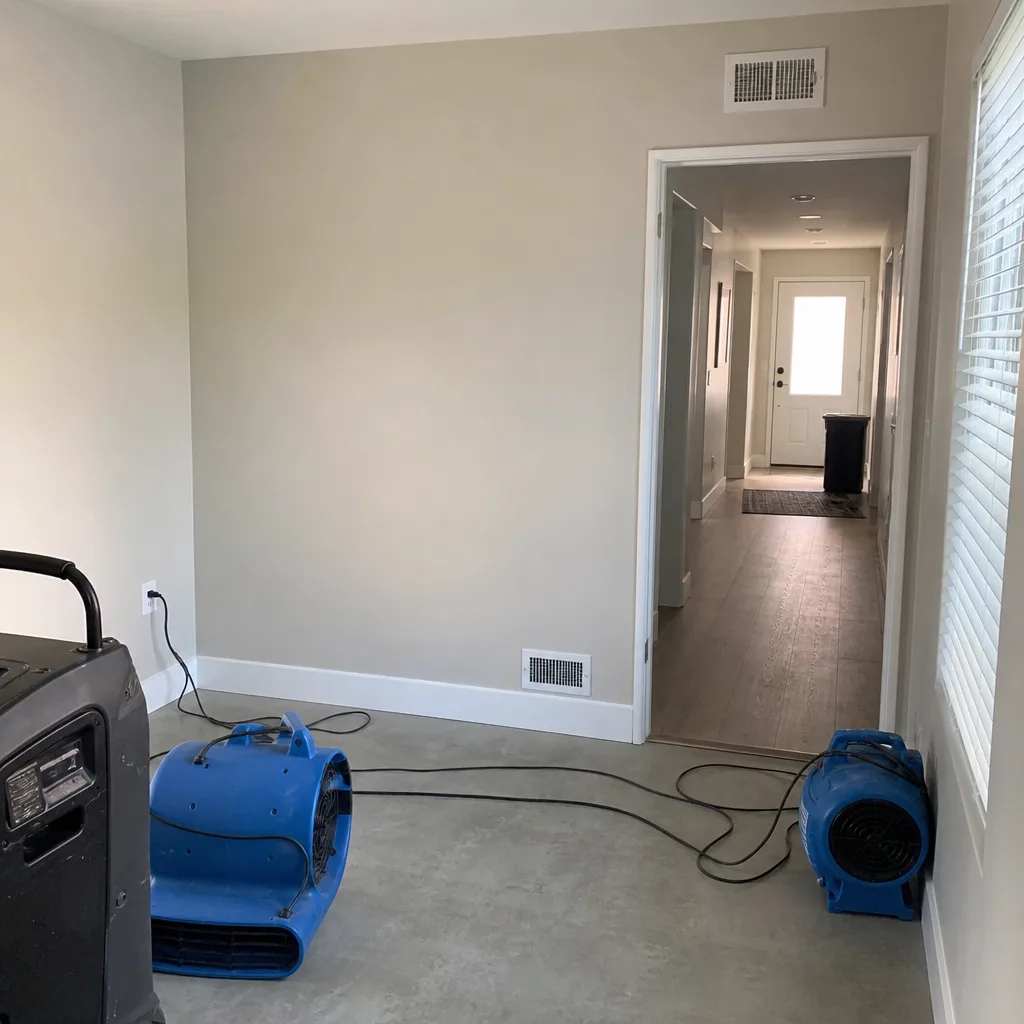 After
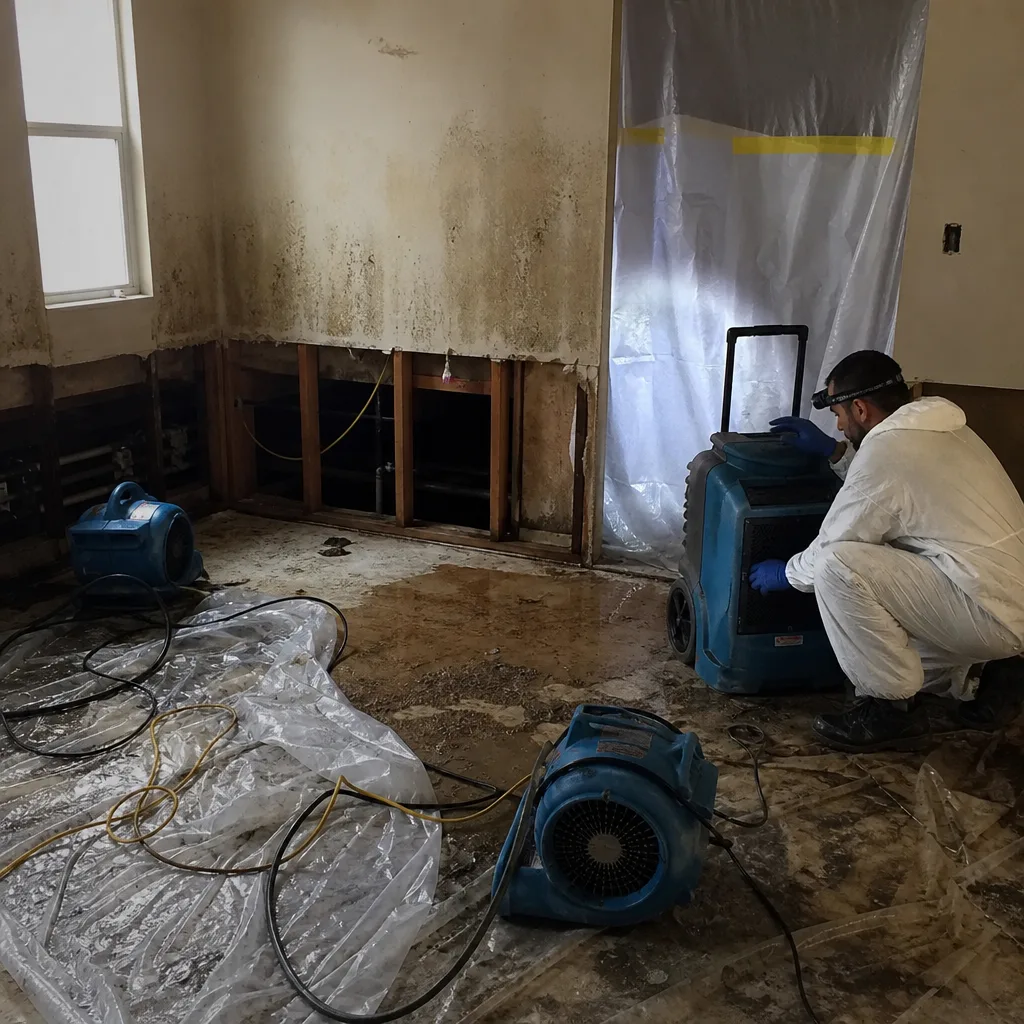 Before
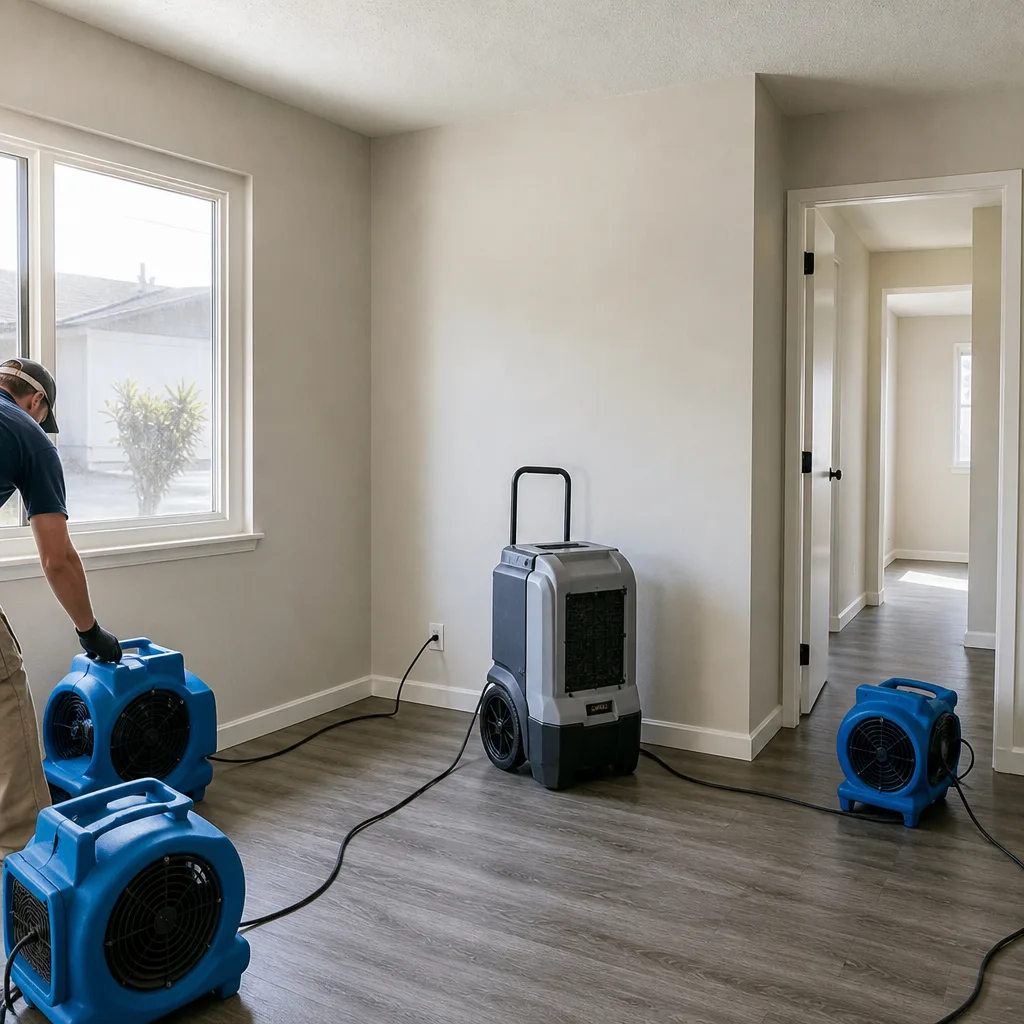 After
Pricing for Water Damage Restoration in Loma Linda, CA
Water damage restoration pricing in Loma Linda reflects the age of the buildings and the scope of the water travel. A single-room water extraction runs $700 to $1,900. Emergency water removal with source shutdown and initial equipment placement runs $900 to $2,300. Full structural drying after a ceiling or wall cavity saturation typically lands between $2,100 and $5,400. Multi-unit losses, where water moves through shared assemblies and requires containment in occupied units, routinely run $7,000 to $15,000+. Mold remediation adds $1,800 to $6,000 depending on the affected square footage. These are real ranges for this market, not national averages. Every job is different. Call (833) 589-5317 for an exact, written estimate after we assess the loss.
We Also Serve Cities Near Loma Linda
Our crews work across the Inland Empire, including Colton, Grand Terrace, Highgrove, and Redlands. If you’re searching for Water Damage Restoration near Loma Linda but your property sits just outside the city line, we cover that too. Learn more about our broader service area on our Water Damage Restoration in Loma Linda page, or call the office directly and we’ll confirm coverage while you’re on the phone.
Serving Loma Linda, CA — Our Local Coverage Area
We’re based in the Loma Linda area and know this community well. Use the map below to see our service coverage — if you’re nearby, we can almost certainly help.
FAQs About Water Damage Restoration in Loma Linda
Because Loma Linda’s mid-century apartment stock is stacked construction with original galvanized supply lines and cast-iron drains that run through shared floor-ceiling assemblies. When a pipe fails in an upstairs unit, water moves straight down through the framing and into the unit below, and nobody on the first floor has any warning until the ceiling starts dripping. That’s why we regularly run multi-unit drying projects with separate containment zones and separate documentation for each owner. Call (833) 589-5317 and we’ll assess the full path of the water, not just the visible damage.
It changes the standard of care. Many of our Loma Linda clients work at the medical center or live near the university and have immune or respiratory sensitivities, so we default to HEPA filtration, containment, and low-toxicity protocols on every job, not just the ones where someone asks. We also document dry times precisely, because a damp cavity that would be acceptable elsewhere is a health problem in a medically fragile household. That documentation is part of the file, and it protects both the occupant and the property owner.
First shut off the water at the source if you can do so safely, then call (833) 589-5317. Wind-driven rain through an old tile roof often saturates wall cavities, and in Loma Linda’s semi-arid climate, homeowners assume it’ll dry out on its own. It won’t, and mold begins forming inside wet drywall within 24 to 48 hours. We arrive with extraction and drying equipment sized to the affected space, and we map the moisture so the drying plan targets the cavity, not just the visible surface. The faster we start, the less demolition you’ll need later.
Yes, and we do it weekly. We understand that many Loma Linda residents work 12-hour shifts at Loma Linda University Medical Center or the VA, and nobody coming off a night shift wants an air mover running next to their bed at 10 a.m. We coordinate access windows, schedule equipment checks around your sleep schedule, and work with property managers to get into units during the times that actually work. Tell us the constraints when you call, and we’ll build the drying schedule around them.
The decision comes down to condition and failure history. If a galvanized line has already burst once, the remaining sections are on the same corrosion timeline, and replacing the accessible runs is usually cheaper than a second emergency response six months later. If a cast-iron drain has wet the slab but the piping is otherwise intact, a targeted repair may be the right scope. We don’t sell plumbing replacement unless the evidence supports it. We document what we find, flag what’s at risk, and let you make the call with a real recommendation on the table. Call (833) 589-5317 for a straight answer after we’ve seen the pipes.
Call Dry Line Water Damage for Loma Linda Restoration Work
If you have water where it shouldn’t be, in a stucco apartment off Barton Road or a single-family home in 92354, call (833) 589-5317. We respond with IICRC-certified process, Dri-Eaz and Phoenix equipment, and a documented drying plan that holds up to scrutiny. Glen Pacheco and the whole Dry Line Water Damage team serve Loma Linda with the same standard we’d set for a hospital building: verify, document, and dry to a measured point, not a guess.
Written by Glen Pacheco, Owner at Dry Line Water Damage, serving Loma Linda and the surrounding Inland Empire communities.